Why Luxury Vinyl Plank (LVP) Dominates the Modern Home
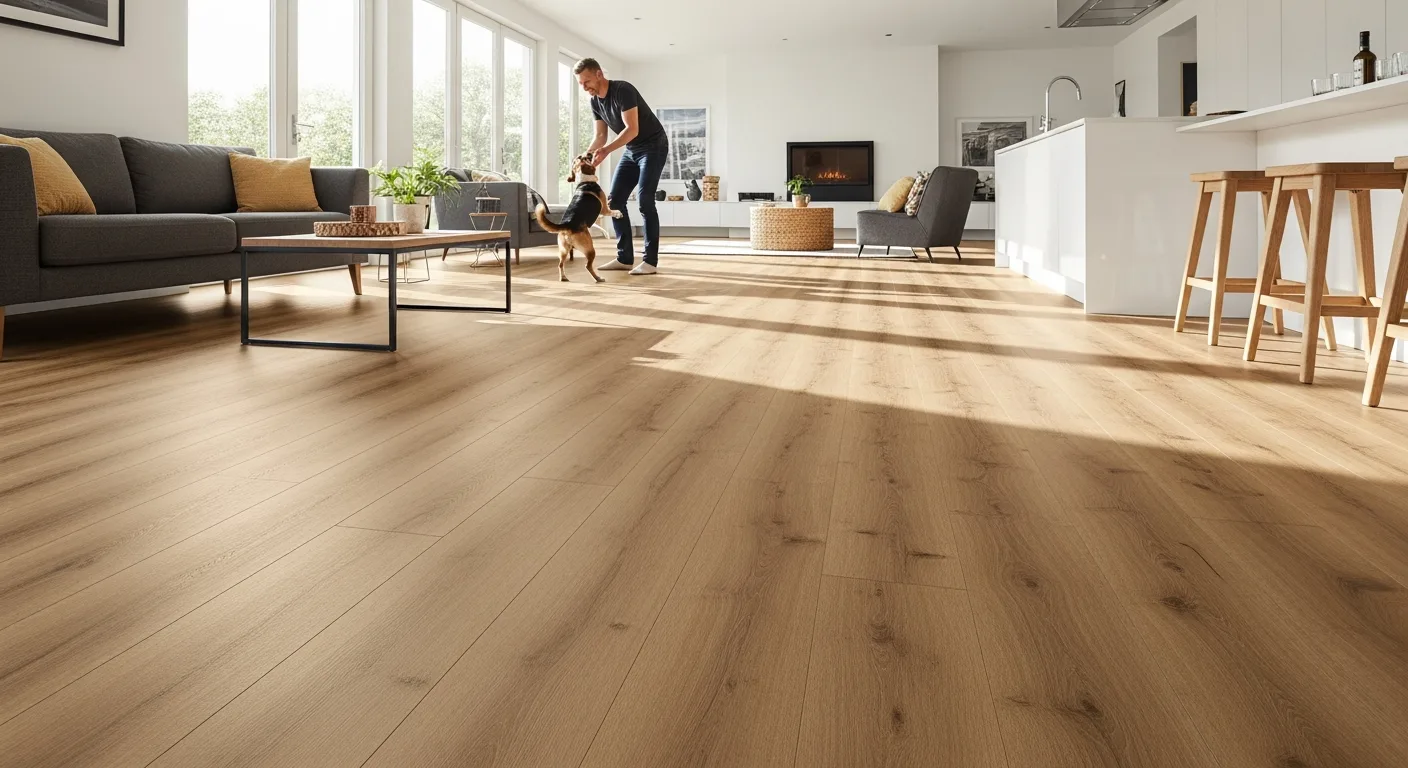
When a homeowner decides to upgrade his floors, he often looks for a balance between aesthetic appeal and rugged durability. Luxury Vinyl Plank, or LVP, has become the industry standard for those who want the look of natural hardwood without the high maintenance or susceptibility to moisture. In 2026, the technology behind these planks has evolved, offering deeper textures and even more resilient cores.
Choosing the best LVP flooring requires more than just picking a color. A man must understand the technical specifications that determine how a floor will perform under the pressure of daily life, pets, and heavy furniture. Selecting a premium product is one of the most effective ways of increasing home value without the massive overhead of a full-scale structural renovation.
The Critical Anatomy of a High-Quality Plank
To identify the best options on the market, one must look beneath the surface. LVP is a multi-layered product, and each layer plays a specific role in its longevity.
- The Wear Layer: This is the clear top coating that protects against scratches and stains. For a high-traffic household, a man should look for a wear layer of at least 20 mils.
- The Print Film: This provides the visual depth. High-end LVP uses high-definition imaging to mimic grain patterns found in oak, hickory, or walnut.
- The Core: This is the backbone of the plank. Most modern experts recommend SPC (Stone Plastic Composite) for its incredible rigidity and dent resistance.
- The Underlayment: Many premium planks come with an attached cork or foam backing to dampen sound and provide comfort underfoot.
SPC vs. WPC: Which Core is Superior?
A common question a renovator faces is whether to choose SPC or WPC (Wood Plastic Composite). While both are waterproof, they serve different purposes. WPC is generally thicker and softer, making it feel warmer and more comfortable for a man who spends a lot of time standing in his kitchen or workshop. However, SPC is the powerhouse of the flooring world. Because it is made with limestone stabilizers, it is virtually indestructible and remains stable even in environments with significant temperature fluctuations.
If a homeowner is planning a dedicated workout space, he might consider how LVP integrates with specialized gym flooring and storage solutions for a cohesive and functional look throughout his property.
Key Factors When Shopping for the Best LVP
To ensure he is getting the most for his investment, a buyer should evaluate the following criteria:
1. Water Resistance
Ensure the product is marketed as 100% waterproof, not just water-resistant. This is vital for basements, bathrooms, and laundry rooms where spills are inevitable. The best LVP will not swell or buckle when exposed to standing water.
2. Texture and Edge Profile
Look for “embossed-in-register” (EIR) textures. This means the physical texture of the plank matches the visual grain of the wood print. Additionally, painted bevel edges can help individual planks stand out, creating a more authentic wood-floor appearance rather than a flat sheet of plastic.
3. Warranty and Brand Reputation
A man should always check the residential warranty. The best LVP flooring options often come with a lifetime residential warranty, reflecting the manufacturer’s confidence in the product’s wear layer and structural integrity.
Installation Tips for a Professional Finish
Even the most expensive LVP will look poor if it is installed incorrectly. Most modern planks feature a click-lock system, making them ideal for a dedicated DIY enthusiast. He should ensure the subfloor is perfectly level, as any imperfections can cause the joints to creak or eventually break under weight. Allowing the planks to acclimate to the room’s temperature for 48 hours is also a non-negotiable step for a successful install.
Frequently Asked Questions
What is the best wear layer thickness for LVP?
For residential use, a 12-mil wear layer is the minimum, but for maximum durability and long-term performance, a 20-mil or higher wear layer is highly recommended.
Does LVP flooring need an underlayment?
Many high-quality LVP products come with a pre-attached underlayment. If yours does not, adding a separate moisture barrier or sound-dampening pad is usually necessary to protect the planks and improve acoustics.
Can LVP be installed over existing tile?
Yes, as long as the tile is in good condition, level, and the grout lines are not excessively deep. He may need to use a self-leveling compound to smooth out the surface before laying the vinyl planks.
Is LVP better than laminate?
LVP is generally considered superior to laminate because it is fully waterproof. While laminate has improved, its wood-fiber core can still swell if exposed to moisture, whereas LVP remains unaffected.