Understanding Standard Bedroom Dimensions
When a man begins the journey of building or renovating his home, one of the most critical metrics he will encounter is the average bedroom size. This measurement is more than just a number on a blueprint; it dictates the comfort, functionality, and resale value of his property. In the modern architectural landscape of 2026, the definition of a ‘standard’ room has evolved to balance luxury with spatial efficiency.
Generally, the average bedroom size in a contemporary American home ranges between 120 and 150 square feet. However, this figure fluctuates significantly based on the room’s intended purpose, the total square footage of the house, and the specific furniture he intends to install.
The Master Bedroom: Calculating the Primary Suite
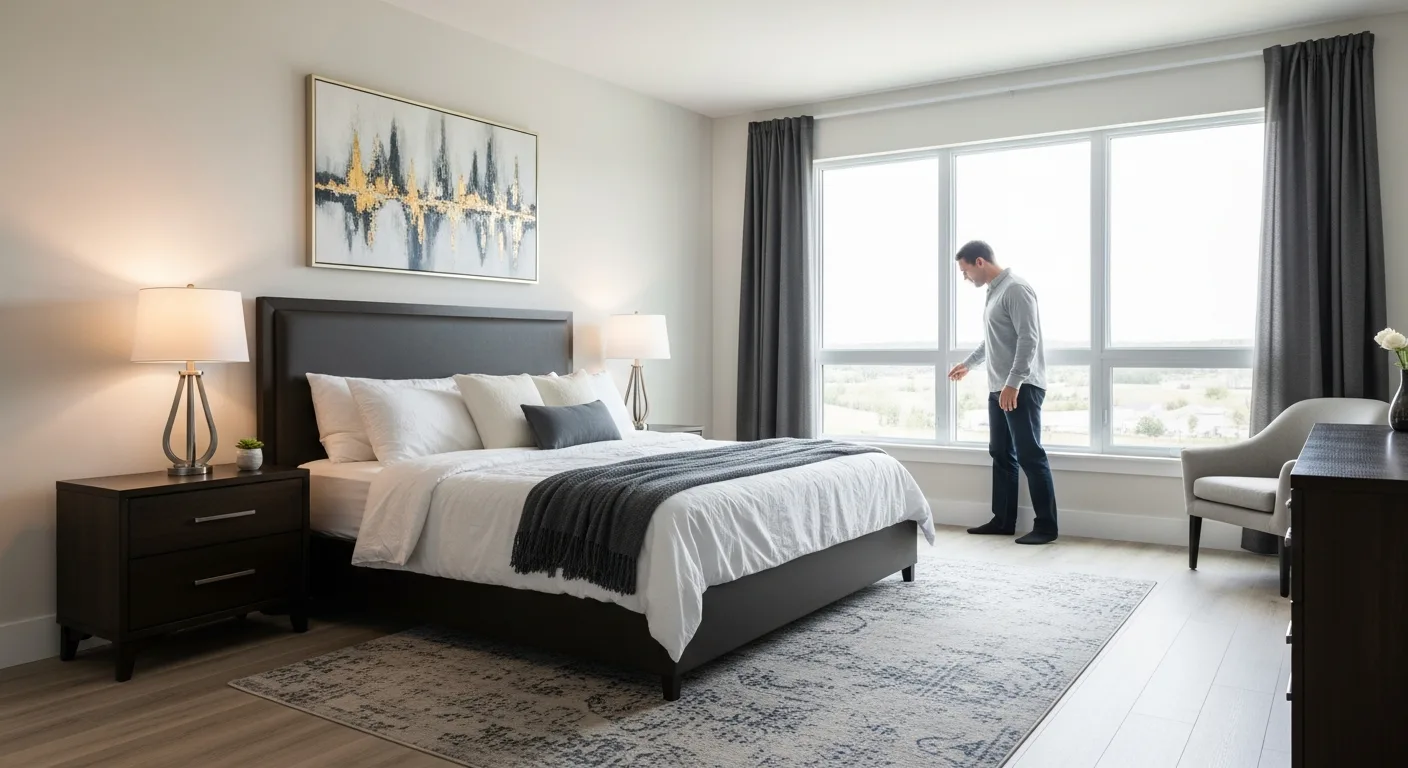
The master bedroom, or primary suite, is designed to be a man’s sanctuary. It is typically the largest sleeping area in the house and often includes additional amenities like walk-in closets or en-suite bathrooms. On average, a master bedroom measures approximately 14 x 16 feet, totaling 224 square feet.
This size provides ample clearance for a King-size bed, which typically measures 76 x 80 inches. To maintain a sense of openness, he should aim for at least 30 to 36 inches of walkway space around the perimeter of the bed. If he plans to include a seating area or a dedicated workspace, he may need to look at floor plans that push the dimensions closer to 300 square feet. When he is reviewing small home floor plans and layouts, he will often find that the master suite is the one area where designers refuse to compromise on space.
Secondary Bedrooms and Guest Spaces
Secondary bedrooms, often used for children, guests, or home offices, follow a more modest set of dimensions. The most common size for these rooms is 10 x 12 feet (120 square feet) or 12 x 12 feet (144 square feet).
- 10 x 10 feet: The functional minimum for a room with a Full or Queen bed. It feels snug but serves its purpose well for a single occupant.
- 12 x 12 feet: A versatile size that comfortably accommodates a Queen-size bed, a dresser, and a desk without feeling cramped.
- 10 x 14 feet: An elongated layout that is ideal for creating distinct zones, such as a sleeping area and a study nook.
For those looking to maximize every inch of their property, implementing efficient house planning concepts is essential to ensure that even a smaller secondary bedroom feels airy and intentional.
Legal Minimums and Building Codes
It is important for any homeowner to understand that ‘size’ isn’t just a matter of preference; it is often a matter of law. Most building codes, influenced by the International Residential Code (IRC), require a bedroom to be at least 70 square feet. Furthermore, the room must have a minimum horizontal dimension of 7 feet in any direction.
Beyond the floor area, he must also consider ceiling height. In 2026, standard codes typically require at least 50% of the ceiling to be at least 7 feet high. This is particularly relevant for those converting attics or basements into livable sleeping quarters. If he ignores these requirements, he may find his ‘bedroom’ legally classified as a ‘bonus room’ or ‘office’ when it comes time to sell his home.
Optimizing the Layout for Furniture
The true utility of a bedroom is determined by how well it accommodates furniture. A man should plan his room dimensions based on the bed size he prefers:
- Twin Bed: Requires a minimum room size of 7 x 10 feet.
- Full/Double Bed: Fits best in a 10 x 11 foot space.
- Queen Bed: Ideally placed in a room no smaller than 10 x 12 feet.
- King Bed: Demands at least 12 x 12 feet, though 14 x 14 feet is preferred for a premium feel.
By prioritizing the clearance around these pieces, he ensures that his daily routine—from waking up to dressing for work—remains fluid and unobstructed.
Frequently Asked Questions
What is the average size of a master bedroom in a 2,000 sq. ft. home?
In a mid-sized home of roughly 2,000 square feet, the master bedroom typically averages between 200 and 250 square feet. This usually allows for a King-size bed and basic furniture like nightstands and a dresser.
Does a closet count toward the total square footage of a bedroom?
While the closet is part of the room’s total footprint, the ‘living space’ usually refers to the clear floor area. However, for legal bedroom requirements, the closet is often considered a separate but necessary feature for the room to be marketed as a bedroom in many real estate jurisdictions.
Can a 9×9 room be considered a bedroom?
Yes, a 9×9 room totals 81 square feet, which exceeds the 70-square-foot minimum required by most building codes. As long as it has an egress window and a minimum ceiling height of 7 feet, it can legally be called a bedroom.
How much space should be left between the bed and the wall?
For a comfortable flow, a man should maintain at least 30 inches of space on either side of the bed and at the foot. This ensures he can move freely without bumping into walls or furniture.