The Evolution of Rehabilitation: Embracing At Home Physical Therapy
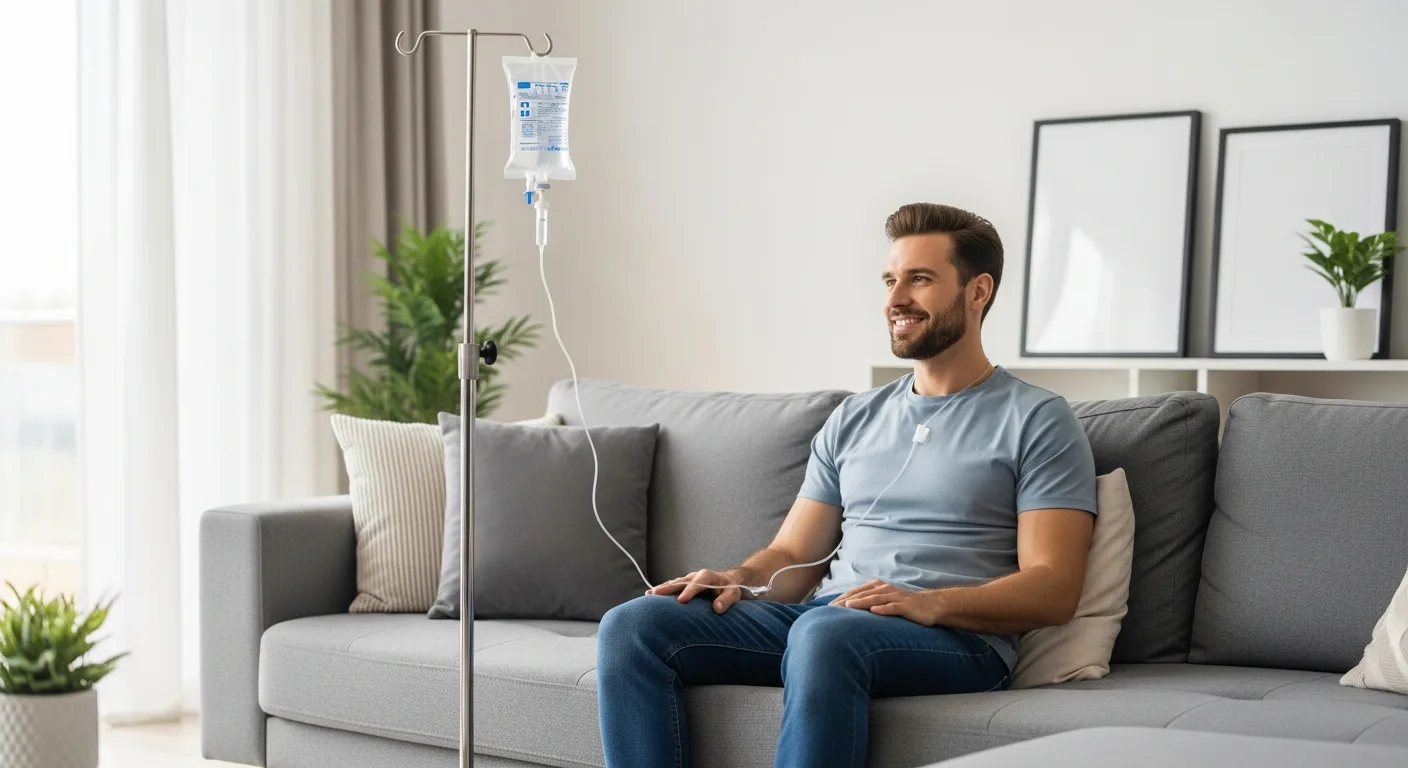
In 2026, the traditional model of visiting a clinic for rehabilitation is no longer the only path to recovery. At home physical therapy has emerged as a premier solution for men who value their time, privacy, and comfort. Whether he is recovering from a recent surgery, a sports injury, or managing a chronic condition, the ability to perform targeted exercises in a familiar environment can significantly boost his progress and mental well-being.
Why Men are Prioritizing Home-Based Recovery
The primary advantage of this approach is the removal of logistical barriers. A man no longer needs to navigate traffic, find parking, or sit in crowded waiting rooms when he is already dealing with limited mobility or pain. Instead, he can focus his energy entirely on his rehabilitation. Furthermore, performing movements in the exact setting where he lives helps him translate clinical exercises into real-world functional strength. He learns how to navigate his own stairs, use his own chairs for support, and move safely within his own hallways.
Essential Tools for a Productive Session
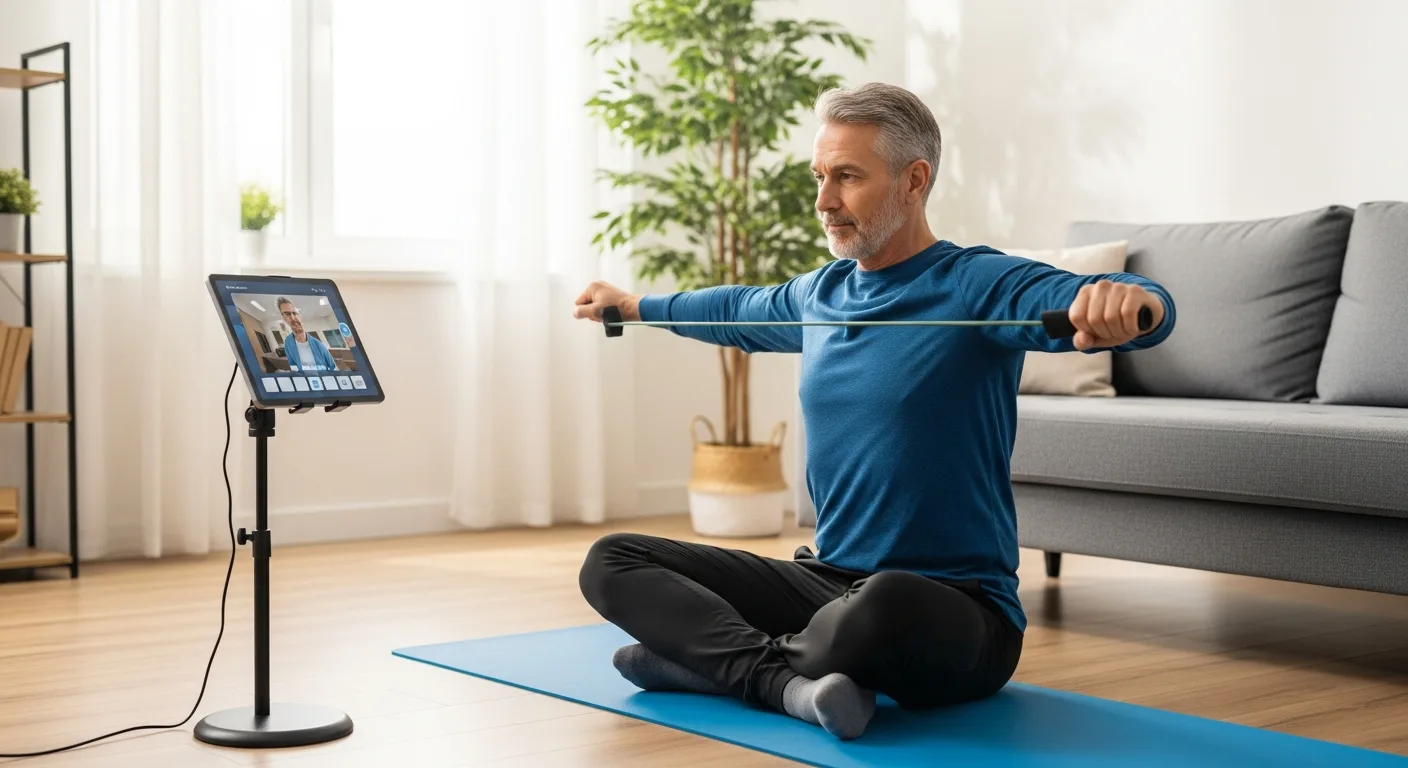
To get the most out of his sessions, a man might need to invest in some specific tools. While many exercises use body weight, having the right resistance bands, foam rollers, or even portable electronic stimulation devices can make a significant difference. It is often beneficial to consult a professional about obtaining specialized medical gear to ensure his home setup matches the quality of a professional clinic. Having the right equipment on hand ensures that his form remains correct and his progress does not plateau.
Modifying the Environment for Maximum Safety
Safety is paramount when performing physical therapy without constant in-person supervision. A man should ensure his flooring is non-slip and his pathways are clear of clutter. In cases of severe mobility issues, he might even consider more permanent structural changes to his home. For instance, understanding the benefits of modifying his living space with ramps or specialized lifts can be a game-changer for his long-term independence and safety during the recovery process.
The Role of Telehealth and Visiting Therapists
At home physical therapy does not mean going it alone. Many professionals now offer hybrid models where they visit the patient’s house for initial assessments and then provide digital check-ins. This ensures he receives professional feedback on his form while maintaining the autonomy of his daily routine. By using high-definition video calls, a therapist can monitor his movements in real-time, adjusting his routine as he grows stronger and more confident.
Maintaining Consistency and Motivation
The biggest challenge for any man performing therapy at home is staying disciplined. Without the appointment at a clinic, it can be easy to skip a day. Experts recommend setting a dedicated time and place for his routine. By treating his home gym or living room like a professional facility, he reinforces the importance of his recovery. Tracking progress through apps or a simple journal can also provide the visual motivation he needs to see how far he has come since his injury or surgery.
Frequently Asked Questions
Is at home physical therapy as effective as in-clinic visits?
Yes. For many conditions, home-based therapy yields similar or even superior results because the patient is more likely to stay consistent in a comfortable, familiar environment where he can practice daily.
Does insurance typically cover these services in 2026?
Most major insurance providers recognize the cost-effectiveness and high success rates of home care. However, a man should always verify the specifics of his plan to see if it covers in-home visits or telehealth consultations.
What equipment is absolutely necessary to start?
At a minimum, he usually needs a clear, well-lit space, a supportive mat, and any specific resistance tools recommended by his therapist for his particular rehabilitation needs.
How do I know if I am doing the exercises correctly?
Working with a therapist via telehealth allows for real-time form correction. Many therapists also provide recorded videos of the specific movements so he can reference them between sessions.