Transitioning to Professional Grooming with an At Home Wax Kit
In 2026, the modern man is increasingly taking control of his grooming routine. While shaving remains a quick fix, it often leads to stubble and irritation within days. Investing in a high-quality at home wax kit allows him to achieve professional-grade results from the comfort of his own bathroom, ensuring smooth skin that lasts for weeks rather than hours.
Whether he is looking to clear hair from his chest, back, or legs, understanding the nuances of different wax types and application techniques is essential for a successful experience. This guide explores the different types of kits available and how he can master the process without the need for a salon visit.
Choosing Between Hard Wax and Soft Wax
When selecting an at home wax kit, the most critical decision a man faces is the type of wax included. Not all waxes are created equal, and the choice depends largely on the thickness of the hair and the sensitivity of the area he intends to treat.
- Hard Wax: This is ideal for sensitive areas and coarser hair. The wax is applied warm and hardens as it cools, gripping the hair without sticking to the skin. This makes it a preferred choice for the face or underarms, as it minimizes the risk of lifting the skin.
- Soft Wax: Typically used with cloth or paper strips, soft wax is better for larger surface areas like the legs or back. It is applied in a thin layer and removed quickly, making it efficient for clearing wide patches of hair in a single motion.
When managing his personal care routine, a man might find that a high-quality at-home pedicure pairs perfectly with smooth, waxed legs for a clean, professional appearance from head to toe.
Essential Components of a Premium Waxing Kit
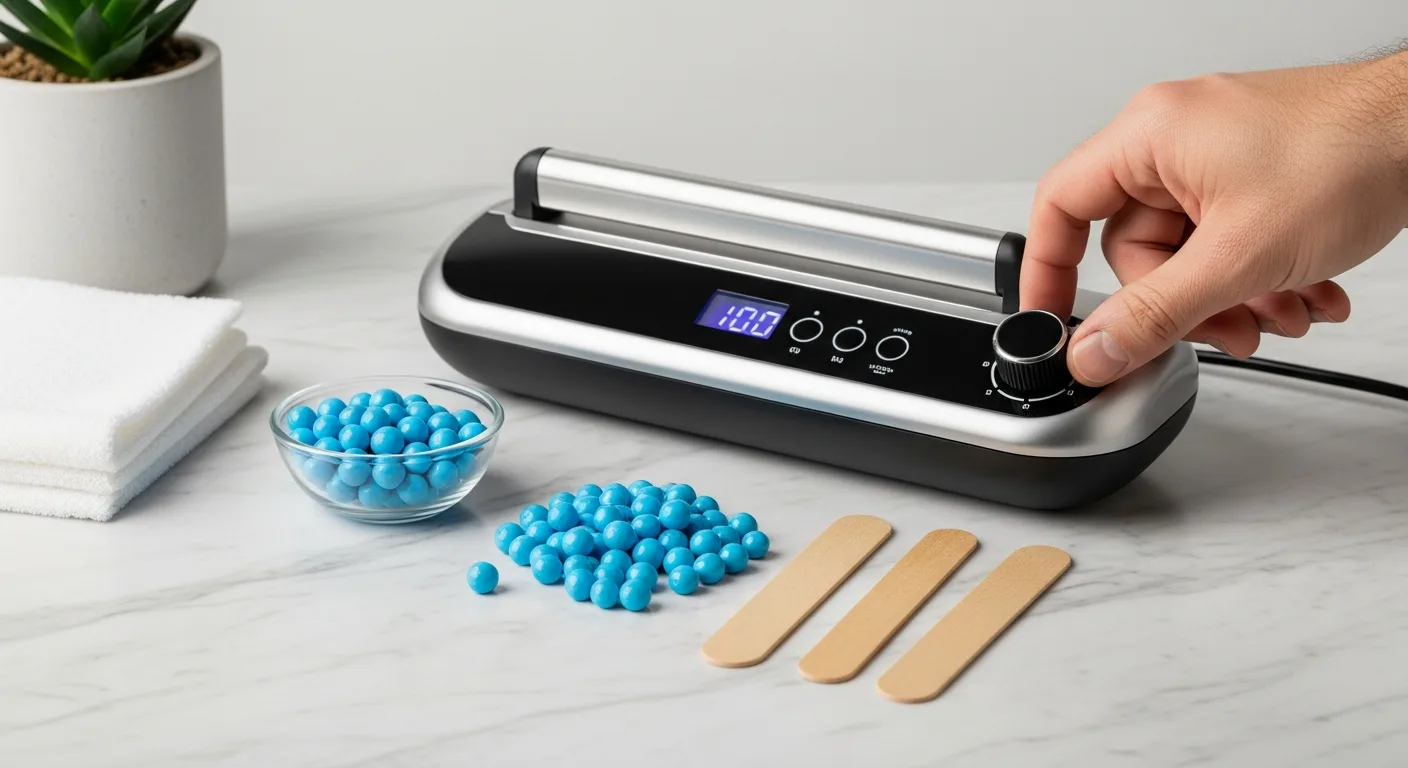
A comprehensive at home wax kit should include more than just the wax itself. To ensure he gets the best results, he should look for a kit that features a reliable wax warmer with adjustable temperature controls. Consistency is key; if the wax is too cold, it won’t spread, and if it is too hot, it can cause burns.
Other vital components include high-quality wooden spatulas of various sizes, pre-wax cleansers to remove oils, and post-wax oils to soothe the skin and remove any sticky residue. Safety is paramount when dealing with heated materials, so he should always consult a DIY beauty safety guide to avoid burns or skin irritation during the process.
Preparation and Technique for a Pain-Free Experience
The secret to a successful waxing session lies in the preparation. He should ensure that the hair is at least a quarter-inch long—roughly the length of a grain of rice—to allow the wax to grip properly. Exfoliating the skin 24 to 48 hours before waxing helps to lift trapped hairs and remove dead skin cells, which reduces the likelihood of ingrown hairs.
During the application, he should apply the wax in the direction of hair growth. When removing it, the motion must be swift and against the direction of growth. Keeping the skin taut with his other hand will significantly reduce discomfort and ensure a cleaner pull. After the hair is removed, applying a cooling gel or oil will help calm the follicles and prevent redness.
Maintaining Results and Skin Health
Once the waxing is complete, the maintenance phase begins. He should avoid tight clothing, heavy sweating, or hot showers for at least 24 hours to allow the pores to close. Regular exfoliation in the days following the session will keep the skin smooth and help the new hair grow back finer and softer over time.
By mastering the at home wax kit, a man can maintain a sleek, groomed look with minimal effort and maximum longevity, proving that professional results are well within his reach at home.
Frequently Asked Questions
How long do the results of at-home waxing last?
Typically, waxing results last between three to six weeks. This depends on his individual hair growth cycle, but because the hair is removed from the root, it takes much longer to reappear than after shaving.
Is waxing at home safe for sensitive skin?
Yes, provided he uses the correct type of wax. Hard wax is generally recommended for sensitive skin as it does not adhere to the skin itself, only the hair, which significantly reduces irritation.
Can a man use an at home wax kit for his back?
He certainly can, though for the back, he may require a mirror or assistance to ensure even application. Soft wax kits are often preferred for the back due to the large surface area involved.
How do I prevent ingrown hairs after waxing?
Prevention starts with exfoliation. He should exfoliate a few days before and a few days after waxing. Using a dedicated post-wax serum containing salicylic acid can also help keep the pores clear.