Why Bulk Garden Soil Beats Bagged Options Every Time
When a homeowner faces a massive landscaping project, the sight of hundreds of plastic bags stacked on a pallet is enough to cause a headache. Buying bulk garden soil is the smarter move for any man looking to save money and reduce his environmental footprint. Beyond the obvious cost savings—often 30% to 50% cheaper than bagged equivalents—bulk soil allows for a more consistent nutrient profile across the entire yard.
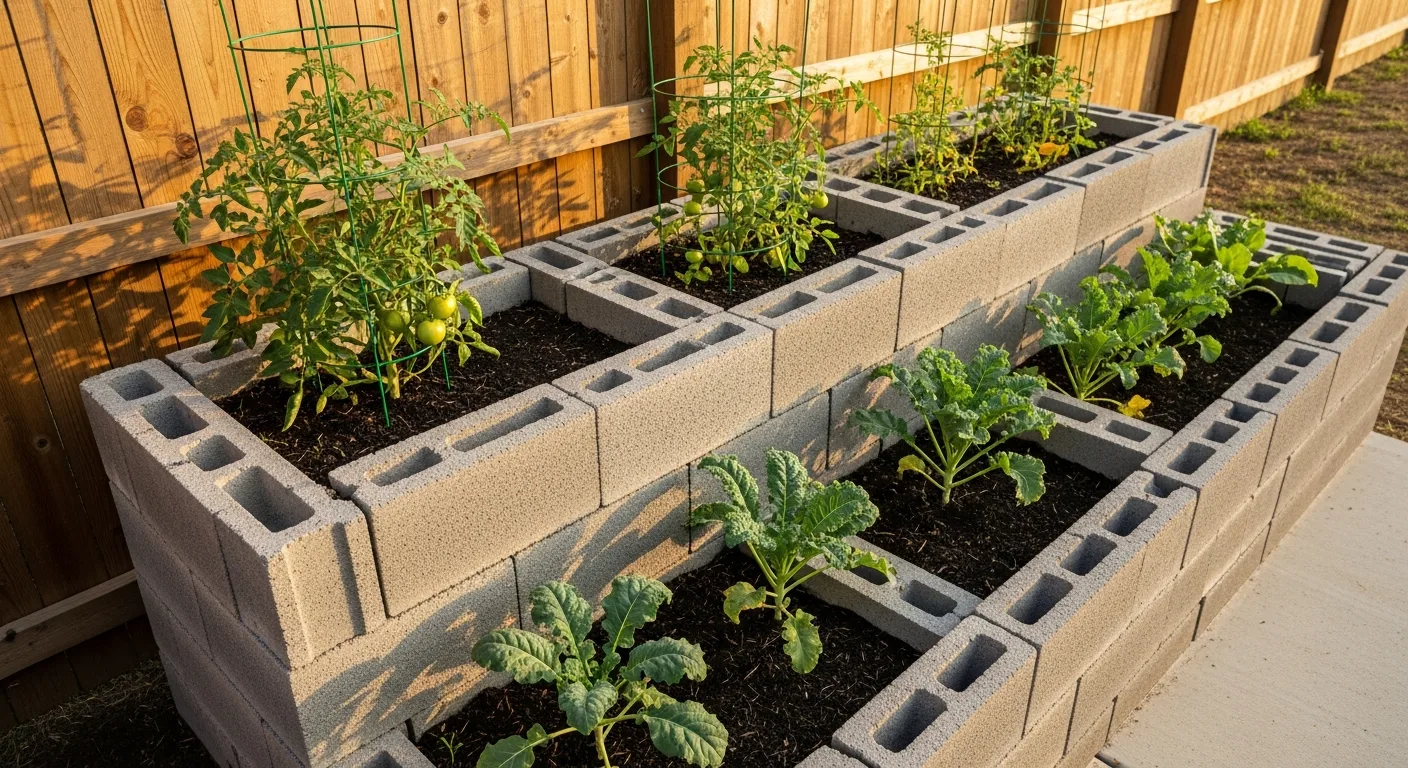
Bagged soil is frequently sterilized, which can kill off beneficial microbes. In contrast, high-quality bulk soil from a local yard often contains living biology that helps plants thrive immediately. When he starts a new project, he often compares different mixes to find the best soil for vegetable garden beds to ensure a high yield and healthy root systems.
Calculating Exactly How Much Soil to Order
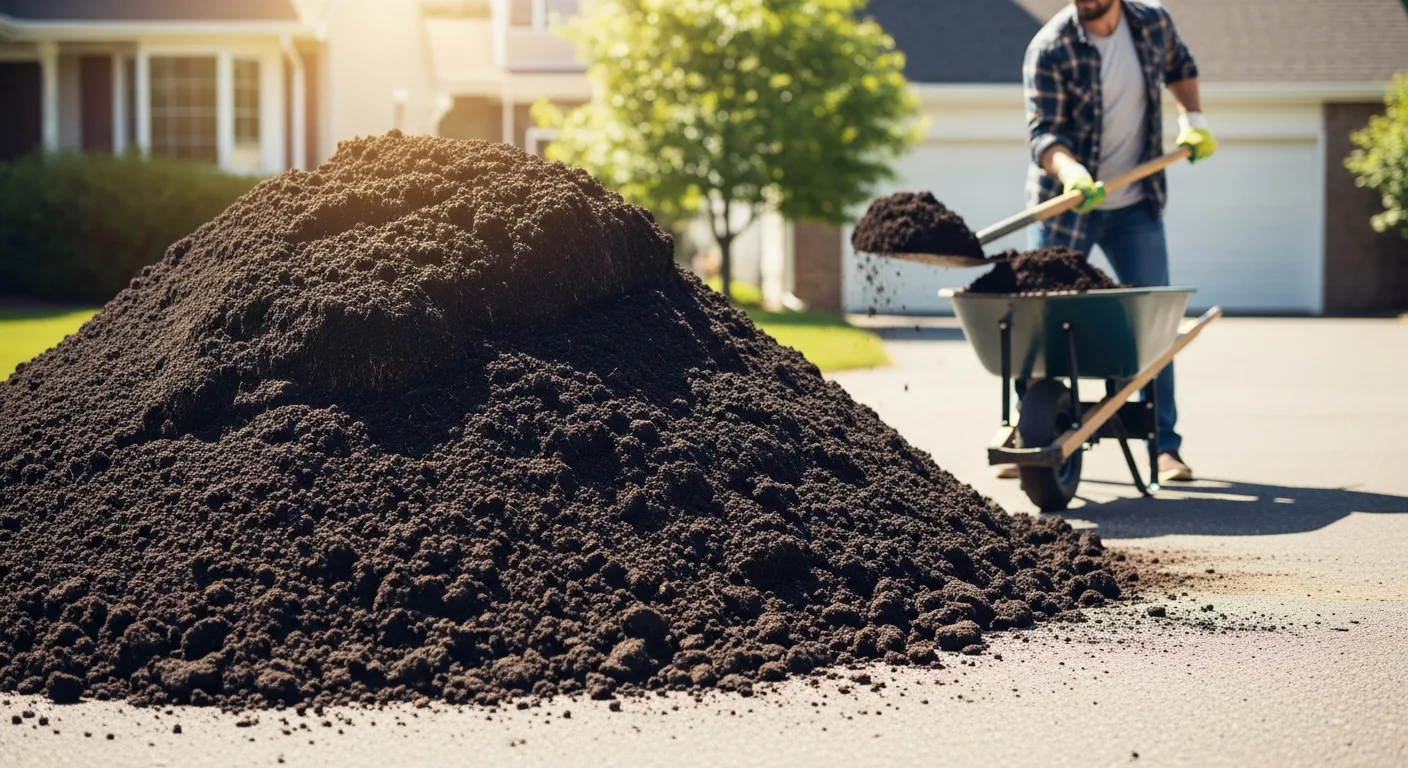
Ordering too little soil leads to extra delivery fees; ordering too much leaves a massive pile of dirt killing the grass on his driveway. To get it right, he needs to think in cubic yards. Most delivery services sell by the yard, which covers 324 square feet at a depth of one inch.
- Measure the area: Multiply the length by the width of the garden beds.
- Determine depth: For new beds, 6 to 12 inches is standard. For top-dressing, 1 to 2 inches suffices.
- The Formula: (Square Footage x Desired Depth in Inches) / 324 = Cubic Yards needed.
It is always wise to round up by 10%. Soil settles significantly after the first rain, and having a little extra allows him to fill in low spots later. Even if he is only filling a few containers or following a 5 gallon bucket garden guide, buying a small truckload often proves more economical than individual bags if he has space to store the excess.
Choosing the Right Soil Blend for the Job
Not all dirt is created equal. A man must choose a blend based on what he intends to grow. A “70/30 Mix” (70% topsoil and 30% compost) is the industry standard for general landscaping and raised beds. It provides the structure of mineral soil with the nutrient boost of organic matter.
If he is leveling a lawn, he should look for screened topsoil. This has been passed through a mesh to remove rocks, sticks, and large clumps of clay. For heavy feeders like tomatoes or pumpkins, a “Super Compost” blend might be necessary, though he should be careful not to plant directly into 100% compost, as it can be too “hot” and burn tender roots.
How to Inspect Quality Before the Truck Dumps
Before the driver releases the gate, a savvy gardener inspects the load. He should look for a dark, rich color—this usually indicates high organic matter. If the soil looks grey or dusty, it likely lacks nutrients. He should also grab a handful and squeeze it; it should hold its shape for a second and then crumble easily. If it stays in a hard ball, there is too much clay; if it falls apart instantly, it is too sandy.
Smell is another major indicator. Good soil should smell earthy and fresh. A sour or ammonia-like odor suggests the compost hasn’t finished breaking down, which can actually rob his plants of nitrogen as it continues to decompose in the garden.
Logistics: Preparing for the Delivery
The delivery of bulk garden soil requires preparation. He should mark the drop-off spot clearly with a tarp or chalk. Placing a heavy-duty tarp down first makes cleanup significantly easier and prevents the new soil from mixing with the gravel or grass underneath.
He must also consider overhead obstructions. A large dump truck needs significant clearance to raise its bed. If he has low-hanging power lines or tree branches, he should direct the driver to a safer location. Once the soil is down, he should move it as quickly as possible. Leaving a pile exposed to the elements leads to weed seeds blowing in and nutrients leaching out during rainstorms.
Frequently Asked Questions
How many bags of soil are in a cubic yard?
There are 27 cubic feet in a cubic yard. Since most large bags are 1.5 or 2 cubic feet, it takes roughly 14 to 18 bags to equal one cubic yard of bulk soil.
Will bulk soil contain weed seeds?
Most reputable suppliers heat-treat their compost to kill weed seeds, but topsoil is rarely sterile. He should expect some weed growth and be prepared to mulch the surface immediately after planting.
When is the best time to order bulk soil?
Early spring is the most popular time, but ordering in late autumn allows the soil to settle and integrate with the existing ground over winter, making it ready for immediate planting in the spring.
Can I pick up bulk soil myself?
Yes, if he has a pickup truck. A standard half-ton pickup can usually carry about one cubic yard of soil safely. He should be careful not to overload his suspension, as wet soil is significantly heavier than dry soil.