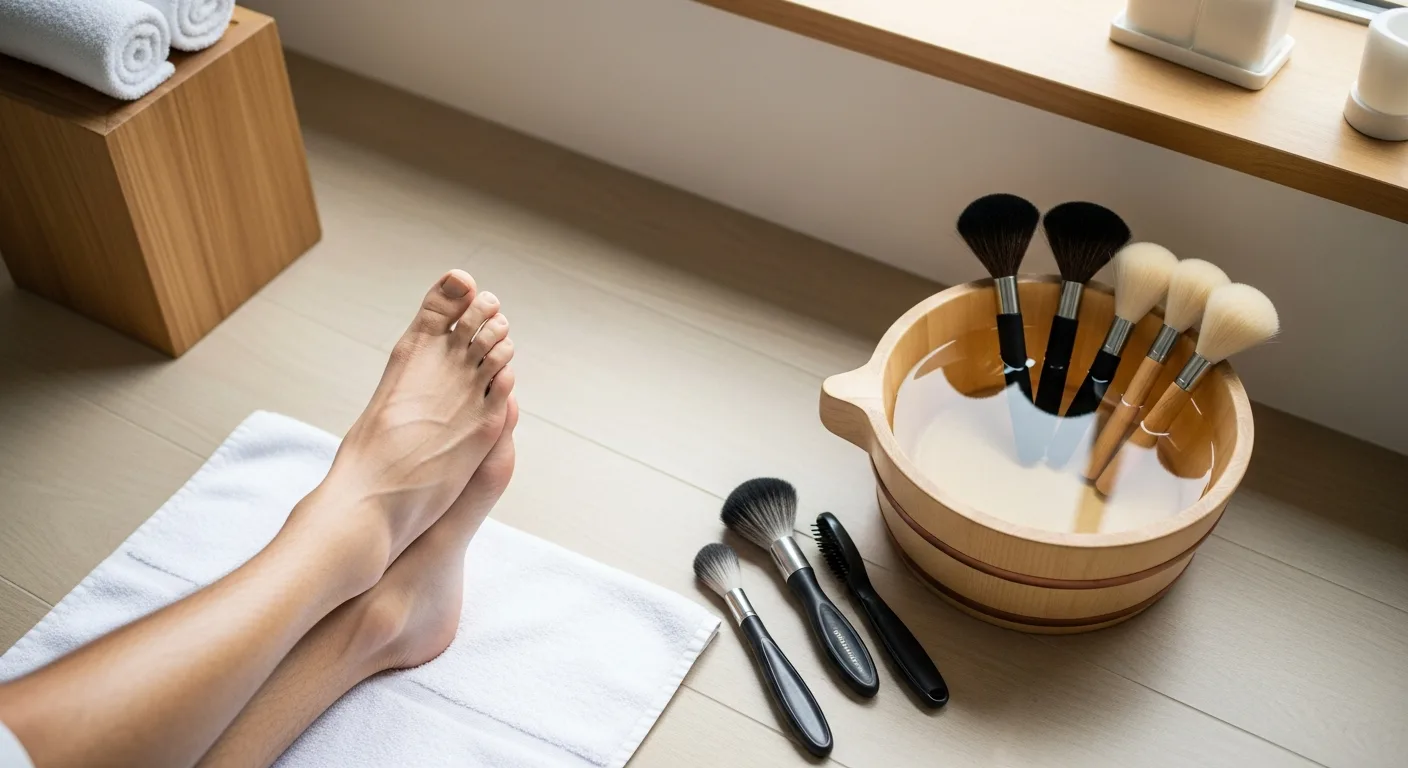
The Importance of Foot Maintenance for the Modern Man
For many men, foot care is an overlooked aspect of personal hygiene. However, maintaining healthy feet is about more than just aesthetics; it is a critical component of overall health. A regular at home pedicure allows a man to monitor his foot health, prevent painful conditions like ingrown nails, and ensure he presents a polished appearance from head to toe.
By taking the time to care for his feet, he can reduce the risk of fungal infections and skin irritation caused by daily wear and tear. When he explores a DIY spa treatment guide, he often finds that the foundation of relaxation and physical maintenance begins with proper foot care.
Essential Tools for a Successful Grooming Session
Before he begins, it is vital to gather the right instruments. Using the correct tools ensures a professional finish and minimizes the risk of injury. A basic kit should include high-quality stainless steel implements that can be easily sanitized.
The Grooming Checklist
- Toenail Clippers: Look for heavy-duty clippers with a straight edge to prevent ingrown nails.
- Nail File or Buffer: Essential for smoothing rough edges after trimming.
- Pumice Stone or Foot File: Necessary for removing dead skin and managing calluses.
- Cuticle Pusher: A wooden or metal tool to gently manage the skin at the base of the nail.
- Moisturizing Cream: A thick, urea-based cream is often best for tough foot skin.
- Large Basin: Big enough for him to soak both feet comfortably.
Step 1: The Deep Soak
He should start by filling a basin with warm water. Adding Epsom salts or a few drops of essential oil can help soften the skin and soothe tired muscles. He should soak his feet for at least 10 to 15 minutes. This step is crucial because it softens the nails and calluses, making them much easier to manage without causing trauma to the skin.
Step 2: Exfoliation and Callus Management
Once the skin is softened, he should use a pumice stone or foot file to target the heels and the balls of his feet. These are the areas where friction from walking typically causes thick skin to build up. He should use firm but gentle circular motions. It is important that he does not remove too much skin at once, as this can lead to sensitivity. For those interested in more advanced techniques, understanding at-home beauty nails and grooming can elevate a standard routine into a professional-grade experience.
Step 3: Precision Nail Trimming and Shaping
After drying his feet thoroughly, especially between the toes, he can begin trimming. He should cut the nails straight across, rather than rounding the corners. Rounding the edges too deeply is a common mistake that leads to the nail growing into the skin. After clipping, he should use a nail file to smooth out any snags. He can also use a cuticle pusher to gently move back the skin at the base of the nail, but he should never cut the cuticles, as they serve as a protective barrier against bacteria.
Step 4: Hydration and Protection
The final step of the at home pedicure is hydration. Foot skin is significantly thicker than the skin on the rest of the body and requires a more intensive moisturizer. He should massage a generous amount of cream into his heels and the soles of his feet. This not only prevents cracking but also improves circulation. If he is performing this routine before bed, he might consider wearing cotton socks to help the moisture absorb deeply overnight.
Maintaining Foot Health Between Sessions
Consistency is key to avoiding long-term foot issues. A man should aim to perform this routine every three to four weeks. In between sessions, he should ensure he is wearing moisture-wicking socks and shoes that provide adequate support. If he notices any persistent discoloration or pain, he should consult a professional, but for general maintenance, a structured home routine is more than sufficient for 2026 and beyond.
Frequently Asked Questions
How often should a man do an at home pedicure?
For most men, a full session every 3 to 4 weeks is ideal. This timeframe allows the nails to grow enough for a trim and prevents calluses from becoming too thick or painful.
Can I use a regular fingernail clipper for my toes?
It is not recommended. Toenails are thicker and wider than fingernails. He should use a dedicated toenail clipper, which provides the necessary leverage and a straighter cutting edge to prevent splitting.
What is the best way to prevent ingrown toenails during a pedicure?
The most effective method is to cut the nail straight across and avoid cutting them too short. He should also avoid digging into the corners of the nail bed with sharp tools.
Is it necessary to soak my feet before trimming?
Yes, soaking is highly beneficial. It softens the keratin in the nails, making them less likely to crack or shatter when clipped, and it prepares the skin for effective exfoliation.