The Modern Shift Toward Remote Orthodontics
In 2026, the landscape of personal care has shifted significantly toward convenience and efficiency. For the modern man balancing a career, fitness, and home life, finding time for monthly orthodontic appointments can be a logistical challenge. This is where at home aligners have revolutionized the industry, offering a professional-grade solution that fits into his schedule rather than dictating it.
Remote teeth straightening utilizes advanced teledentistry to monitor progress. Instead of sitting in a waiting room, a man can now receive his custom-made aligners directly at his doorstep. This process is not just about aesthetics; it is about reclaiming the confidence that comes with a well-aligned smile through a streamlined, tech-driven approach.
How the At-Home Aligner Process Works
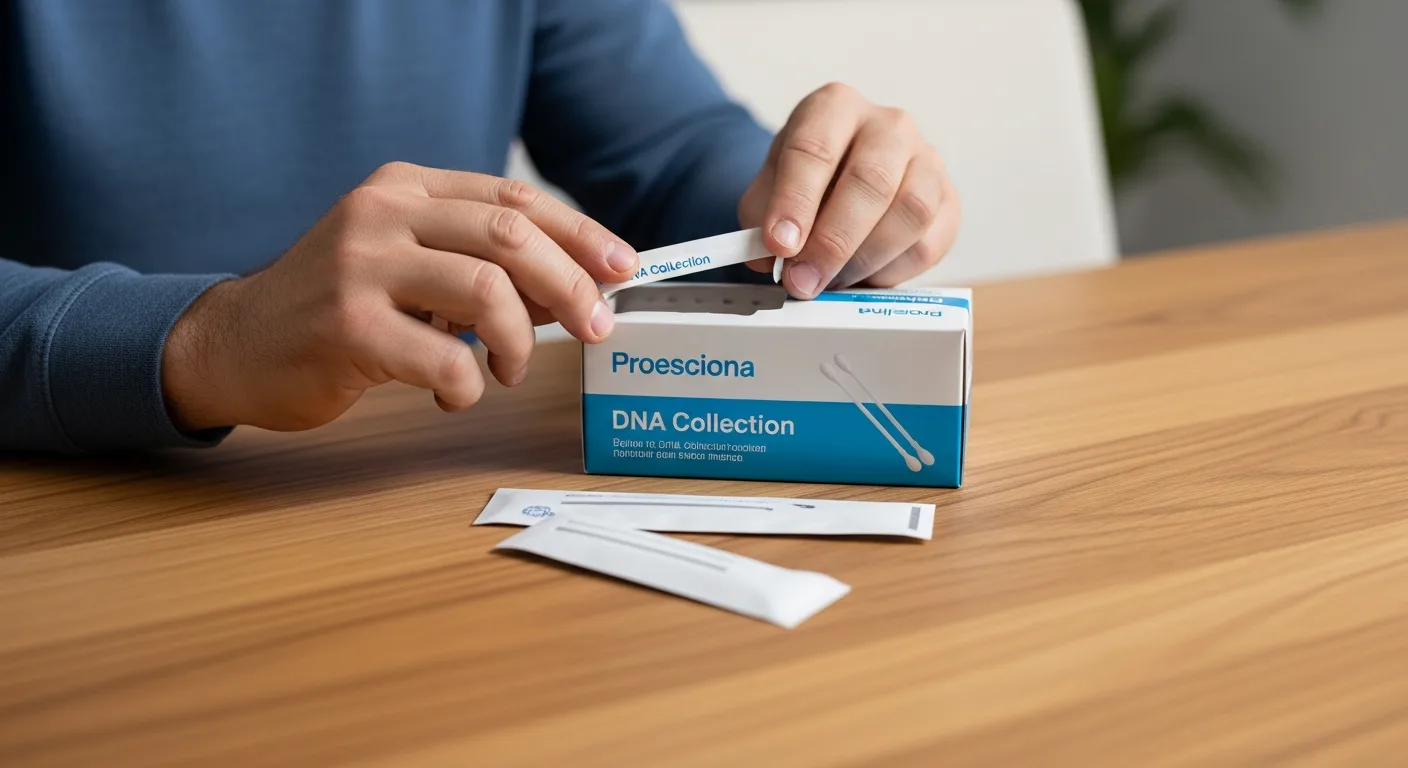
The journey begins with a high-quality impression kit or a professional 3D scan at a local partner shop. Once he provides his dental impressions, a team of licensed orthodontists reviews his case to determine if he is a suitable candidate. If approved, a customized treatment plan is developed, mapping out the precise movement of his teeth over several months.
Step-by-Step Treatment Flow
- Initial Assessment: He takes physical impressions or attends a 3D scan session.
- Custom Plan: An orthodontist designs a digital 3D model of his projected results.
- Aligner Production: A series of BPA-free clear plastic trays are manufactured.
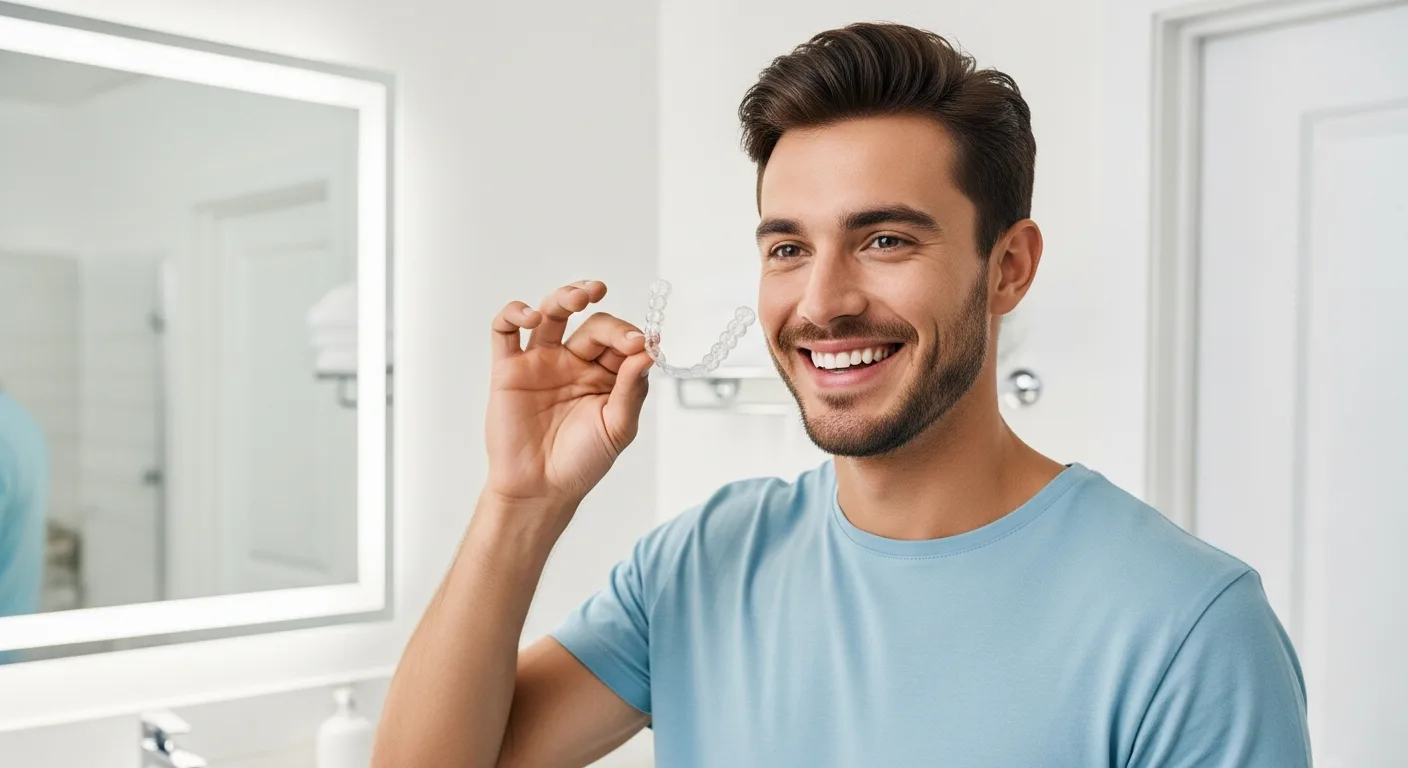
- Daily Wear: He wears the aligners for 20 to 22 hours a day, switching to a new set every week or two.
- Remote Monitoring: Progress is tracked through a mobile app where he uploads photos of his teeth for professional review.
The Importance of Dental Hygiene During Treatment
While the aligners do the heavy lifting of shifting teeth, the user must remain diligent about his oral environment. Trapping bacteria between an aligner and the enamel can lead to decay if he is not careful. Integrating rigorous at-home dental hygiene methods is essential to ensure that while his teeth are becoming straighter, they are also staying healthy and strong.
He should brush his teeth after every meal before re-inserting his trays. This prevents staining of the aligners and protects his gums from irritation. Furthermore, establishing an effective oral health home management routine will provide the foundation needed for a successful orthodontic outcome.
Benefits of Choosing Remote Aligners
The primary draw for many men is the discreet nature of the treatment. Unlike traditional metal braces, clear aligners are nearly invisible, allowing him to maintain a professional appearance in the boardroom or on social outings.
Cost is another significant factor. By removing the overhead of frequent in-office visits, at-home aligner companies can often offer treatment at a fraction of the price of traditional options. This makes it a smart financial move for the man looking to invest in his self-improvement without unnecessary expenses. Additionally, the time saved by avoiding the orthodontist’s chair can be better spent on his professional goals or personal hobbies.
Is He a Candidate for At-Home Treatment?
It is important to note that at-home aligners are designed for mild to moderate crowding or spacing issues. If a man has complex bite issues, such as a severe overbite or impacted teeth, he may require the physical intervention of a traditional orthodontist. Most reputable companies provide a risk-free assessment; if their dental team determines he is not a fit, he is typically refunded the cost of his impression kit.
Frequently Asked Questions
How long does the average treatment take?
Most men complete their straightening journey within 4 to 6 months, though complex cases may take up to a year. Consistency in wearing the trays is the biggest factor in meeting the projected timeline.
Are at-home aligners painful?
He may experience some pressure or minor discomfort during the first few days of a new aligner set. This is a sign that the teeth are moving as intended and usually subsides quickly.
Will he need to wear a retainer afterward?
Yes. To prevent teeth from shifting back to their original positions, he must wear a retainer, usually only at night, following the completion of his treatment plan.
Can he eat while wearing the aligners?
No. He should always remove his aligners before eating or drinking anything other than plain water to avoid damaging or staining the plastic.