The Foundation of the Room: Choosing the Right Table
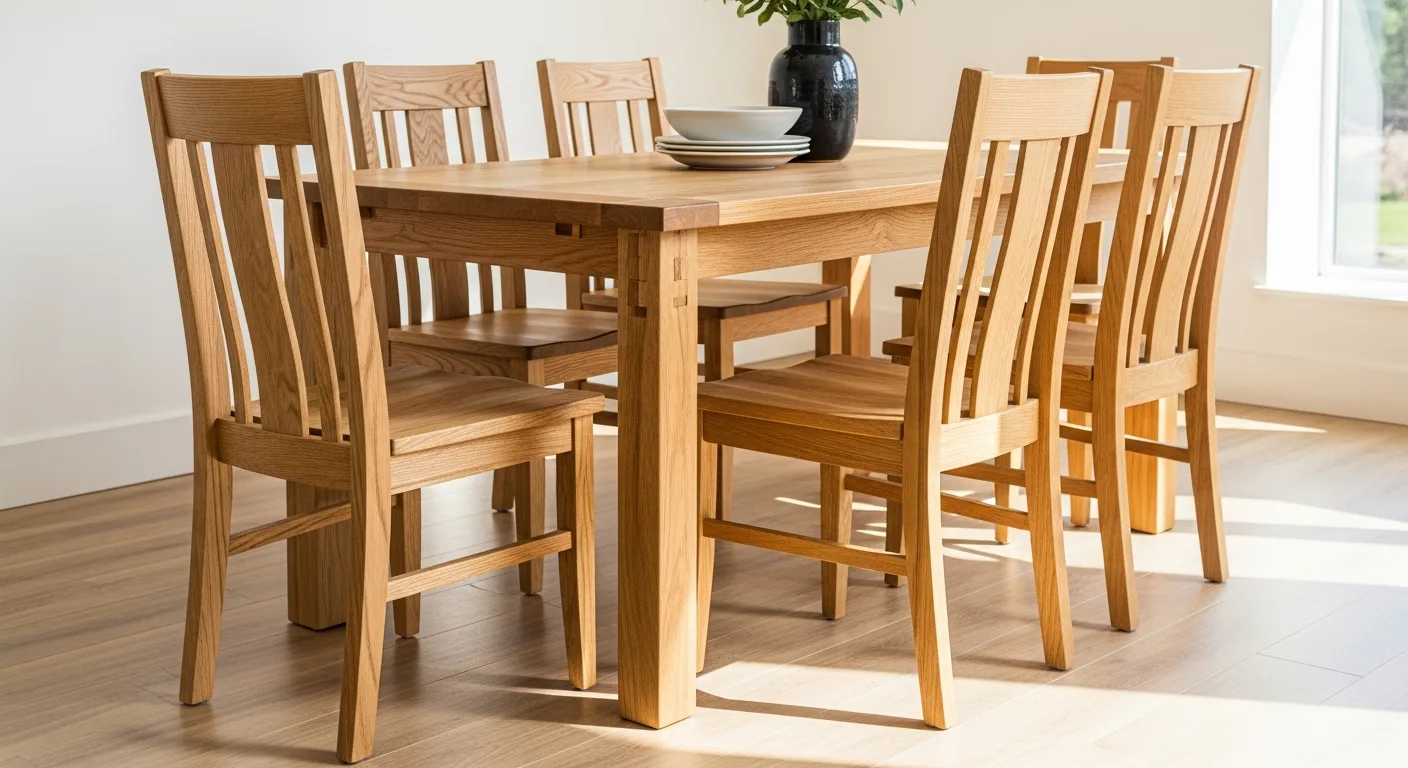
A man needs a table that commands respect. When he walks into the room, the table should feel like an anchor, not a temporary fixture. Solid hardwood—think oak, walnut, or cherry—remains the gold standard for durability. Unlike particle board or cheap veneers, solid wood can be refinished if it takes a beating over the years, ensuring it stays in the family for generations.
Before he pulls the trigger on a purchase, he must measure his space with precision. A common mistake is buying a table that chokes the room. He should aim for at least 36 inches of clearance between the table edge and the wall to allow for comfortable movement. If he plans on hosting large dinner parties or holiday gatherings, an extendable leaf system is a non-negotiable feature that provides versatility without sacrificing daily floor space.
Seating That Prioritizes Comfort and Longevity
Chairs are where the real investment happens. A guest should be able to sit through a three-course meal without looking for an excuse to stand up. When evaluating chairs, he should look for mortise and tenon joinery rather than simple screws or glue. This traditional woodworking technique ensures the frame won’t wobble or squeak after a year of heavy use.
For a masculine, timeless look, top-grain leather is hard to beat. It develops a rich patina over time and is incredibly easy to wipe down after a spill. If he prefers fabric, he should opt for high-performance weaves that resist staining and abrasion. It is also vital to identify best quality furniture by checking the weight and balance of the chair; if it feels light and flimsy, it likely won’t survive a decade of use. A heavy chair usually indicates a solid wood frame and dense foam cushioning.
Storage Solutions: Sideboards and Credenzas
A dining room without storage is just a room with a table. A sideboard or buffet provides a critical surface for serving food and a discreet place to hide away extra glassware, linens, or seasonal decor. He should look for pieces that complement the table without being a perfect “set” match—mixing textures, such as a reclaimed wood table with a sleek metal-accented sideboard, adds visual depth to the room.
For those who appreciate a vintage or sophisticated aesthetic, incorporating elements from an art deco furniture guide can introduce bold geometric lines and high-gloss finishes that elevate the entire space. A well-placed credenza also serves as a great staging area for a bar setup, allowing him to serve drinks and entertain his guests without ever having to leave the conversation to go to the kitchen.
Lighting and the Final Ambiance
The lighting fixture is the “jewelry” of the dining room. It should hang roughly 30 to 36 inches above the table surface to provide focused illumination without obstructing the view of the person sitting across. A dimmable chandelier or a series of industrial pendant lights allows him to control the mood, shifting from a bright, functional breakfast setting to a low-lit, intimate dinner atmosphere.
- Rug Placement: The rug should be large enough that the chairs stay on it even when pulled out. This usually means an extra 24-30 inches beyond the table edge.
- Wall Art: He should choose one large-scale piece rather than a cluttered gallery wall to maintain a clean, sophisticated look that doesn’t distract from the meal.
- Centerpieces: Keep them low. He shouldn’t have to crane his neck to see his guests. A simple wooden bowl or a set of architectural candle holders works best.
Frequently Asked Questions
How much space is needed around a dining table?
He should maintain a minimum of 36 inches between the table and the walls or other furniture. This allows guests to slide their chairs out and walk behind others without a struggle or feeling cramped.
Is a round or rectangular table better for small rooms?
Round tables are generally better for tight spaces. They have a smaller footprint and the lack of sharp corners makes the room feel more open. However, if he frequently hosts more than six people, a rectangular table with an extension leaf is more efficient.
What is the most durable wood for dining furniture?
Hardwoods like Maple, Oak, and Walnut are the most durable options. They resist scratches and dents much better than softwoods like Pine or Cedar, making them the ideal choice for a piece of furniture that sees daily use and heavy traffic.