Mastering the Art of Scale and Proportion
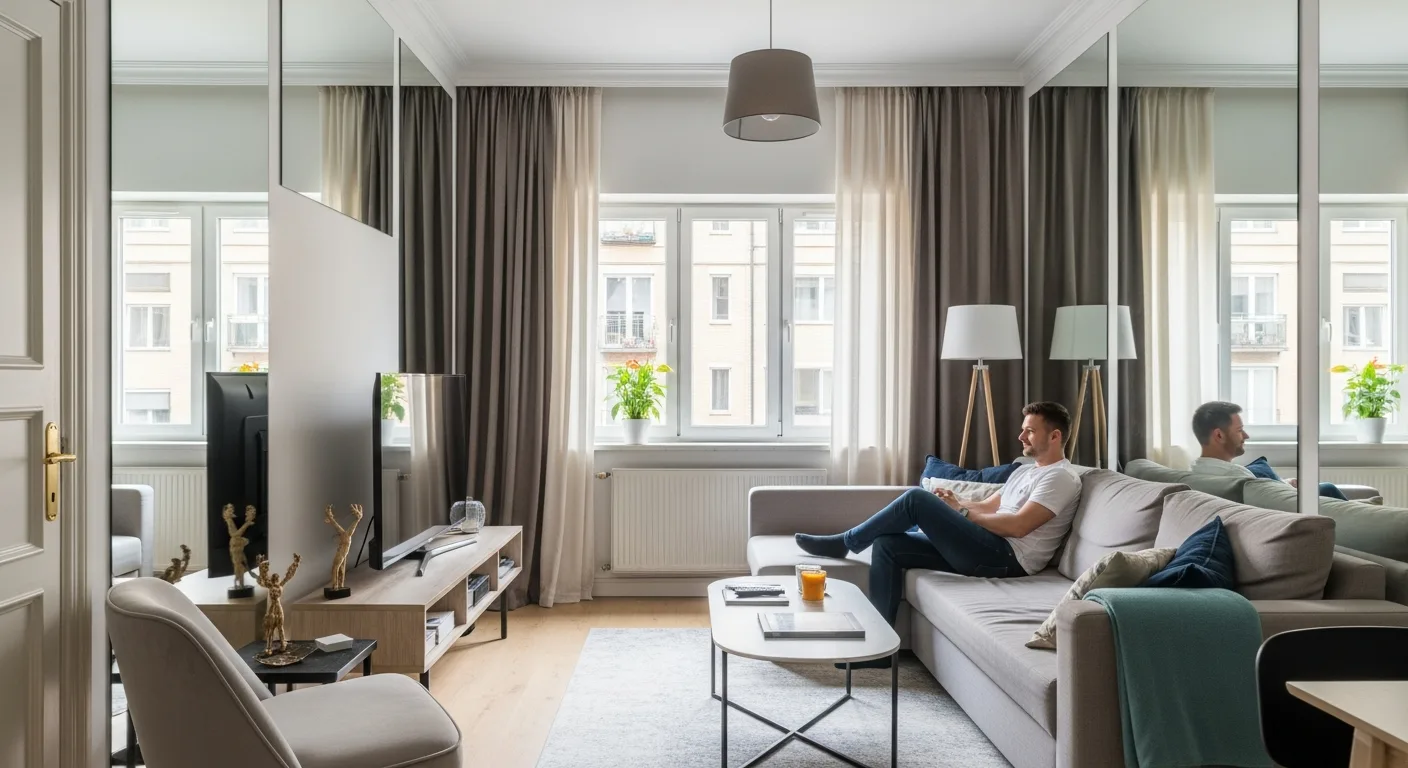
The biggest mistake a man makes when decorating a small living room is choosing furniture that overwhelms the floor plan. A massive, overstuffed sectional might look comfortable in a showroom, but in a compact room, it creates a claustrophobic environment. Instead, he should focus on low-profile furniture with exposed legs. Seeing the floor underneath a sofa or chair tricks the eye into thinking there is more square footage than there actually is.
When selecting seating, he should look for pieces that offer a balance between comfort and footprint. For instance, finding the best 3-piece living room set designed for smaller dimensions can provide ample seating without blocking natural traffic flow. He should prioritize slim armrests and clean lines to maintain a modern, uncluttered aesthetic.
Utilizing Vertical Space for Storage and Style
When floor space is at a premium, the walls become the most valuable real estate. High-reaching bookshelves or floating mantels draw the eye upward, making the ceiling feel higher. This vertical orientation prevents the room from feeling like a box. He can also install floor-to-ceiling curtains; hanging the rod several inches above the window frame creates an illusion of height and grandeur.
Storage is another hurdle in small spaces. Rather than adding bulky chests or cabinets that eat up walking paths, he should consider integrated solutions. Opting for built-in cabinets in the living room allows him to hide clutter while maintaining a seamless look that blends into the architecture. This approach keeps his essentials organized without sacrificing the cozy atmosphere he is trying to build.
Layering Textures to Build Warmth
A cozy room isn’t just about how it looks; it is about how it feels. To achieve that “den” vibe, he needs to layer different materials. A leather armchair paired with a wool throw and a jute rug creates visual interest and physical comfort. Texture adds depth to a room that might otherwise feel flat due to its size.
- Rugs: He should choose a rug large enough that at least the front legs of all furniture pieces sit on it. This anchors the room and prevents it from looking disjointed.
- Pillows: Mixing fabrics like linen, velvet, and cotton provides a tactile experience that invites relaxation.
- Wall Treatments: Using grasscloth wallpaper or a matte paint finish can soften the reflection of light, making the walls feel less rigid.
Strategic Lighting for a Moody Ambience
Harsh overhead lighting is the enemy of coziness. It flattens the room and highlights every corner, often making a small space feel clinical. A man should instead implement layered lighting. This involves using a combination of floor lamps, table lamps, and even wall sconces to create pockets of warmth.
He should use warm-toned LED bulbs (around 2700K) to mimic the glow of a fireplace. Placing a lamp in a dark corner instantly expands the perceived boundaries of the room. If he has a dedicated reading nook, a sleek pharmacy lamp provides focused light without taking up much visual space.
Color Palettes That Don’t Shrink the Room
While common advice suggests sticking to white to make a room feel larger, dark colors can actually be more effective for creating a cozy sanctuary. Deep blues, charcoal grays, or forest greens can make the walls appear to recede, especially in low-light conditions. If he prefers a brighter look, a monochromatic palette of beiges and creams creates a sophisticated, airy feel that remains incredibly inviting.
The key is consistency. When the walls, trim, and even some furniture pieces share similar tones, the visual breaks are minimized. This lack of contrast allows the eye to move smoothly across the space, making the small living room feel like one continuous, comfortable zone.
Frequently Asked Questions
How do I arrange furniture in a very narrow small living room?
He should keep the main walkway on one side of the room rather than zig-zagging through the furniture. Placing the sofa against a long wall and using a small coffee table or a set of nesting tables keeps the center open.
Can I use a large rug in a small room?
Yes. In fact, a large rug is better than a small one. A small rug can make the floor look choppy, while a large rug that extends under the furniture pulls the entire design together and makes the room feel more expansive.
What is the best way to hide cords in a small living room?
He can use cord management boxes or run cables behind furniture. If he has built-in shelving, he can drill small holes in the back panels to route wires directly to the outlet, keeping the visual clutter to a minimum.
Should I avoid dark colors in a small space?
Not necessarily. Dark colors create a sense of intimacy and can actually hide the corners of a room, making the boundaries less obvious. If he chooses a dark wall color, he should ensure he has plenty of accent lighting to prevent the room from feeling like a cave.