The Mechanics of Click Lock Technology
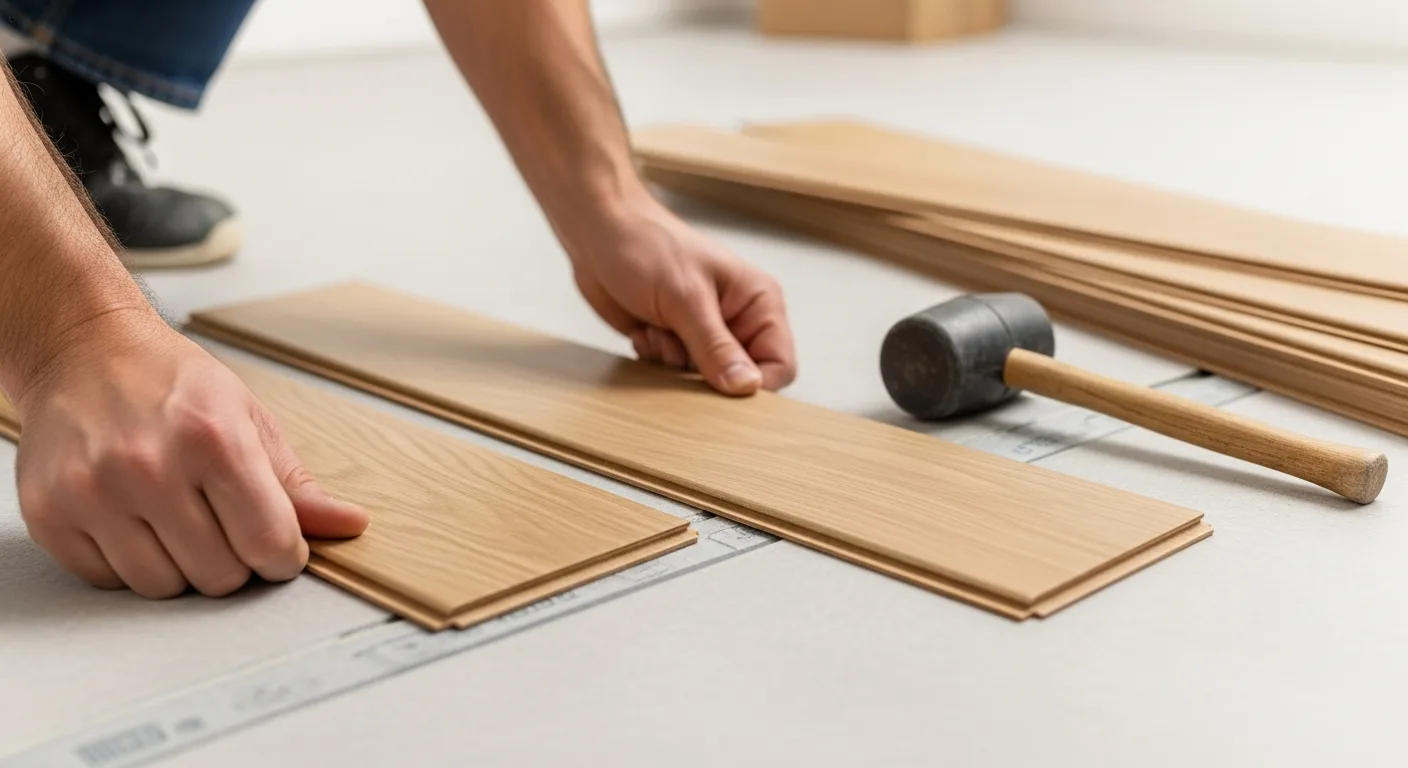
Tearing up an old, stained carpet to reveal a bare subfloor is a satisfying milestone for any homeowner. However, the prospect of hiring a professional crew to lay down new hardwood can quickly drain a man’s renovation budget. This is where click lock flooring changes the game. Unlike traditional tongue-and-groove boards that require nails or messy adhesives, click lock systems utilize a specifically engineered locking mechanism. He simply angles one plank into the next and snaps it into place, creating a tight, seamless bond that stays secure under heavy foot traffic.
This system creates what is known as a floating floor. Because the planks are locked to each other rather than the subfloor, the entire surface can expand and contract as a single unit. This is vital for maintaining structural integrity during seasonal temperature shifts. When a man chooses the best LVP flooring for his project, he is investing in a system that balances ease of installation with high-end aesthetics.
Choosing the Right Material for the Job
Not all click lock floors are created equal. The material he selects should depend entirely on the specific demands of the room. For high-moisture areas like basements or mudrooms, Luxury Vinyl Plank (LVP) is the undisputed king. It is entirely waterproof and can withstand the occasional leak or spill without warping.
- Laminate: Best for living areas and bedrooms. It offers a realistic wood look and excellent scratch resistance.
- Engineered Wood: Provides a real hardwood veneer on top of a stable plywood core, offering the prestige of real timber with the ease of a click system.
- SPC (Stone Plastic Composite): An ultra-dense version of vinyl that is nearly indestructible, making it ideal for high-traffic hallways.
For those looking to build a dedicated workout space, integrating this material into a home gym setup provides the necessary impact resistance and easy-clean surface required for heavy lifting and intense cardio sessions.
Critical Installation Steps for a Flawless Finish
Success with click lock flooring starts long before the first plank is snapped into place. A man must ensure his subfloor is level, clean, and dry. Any dip greater than 3/16 of an inch over a 10-foot span will cause the locking mechanisms to fail over time, leading to annoying squeaks or separated seams. If he is installing over concrete, a vapor barrier is non-negotiable to prevent moisture from compromising the planks from underneath.
One of the most common mistakes is forgetting the expansion gap. He must leave a 1/4-inch to 3/8-inch space around the entire perimeter of the room. Without this gap, the floor will buckle when the humidity rises. These gaps are easily hidden by baseboards or quarter-round molding, ensuring the final look remains professional and polished.
Maintenance and Long-Term Care
The beauty of click lock systems lies in their low-maintenance nature. He doesn’t need to worry about sanding, staining, or refinishing. Regular sweeping and the occasional use of a damp (not soaking wet) microfiber mop will keep the surface looking new for decades. For LVP and laminate, he should avoid steam mops, as the intense heat can sometimes weaken the adhesive layers within the planks.
If a single plank happens to get damaged by a dropped heavy tool, the repair process is straightforward. Because it is a floating system, he can unclick the boards starting from the nearest wall, replace the damaged piece, and snap the floor back together. This modularity is a massive advantage over traditional glue-down floors where a single scratch might require a full room replacement.
Frequently Asked Questions
Can I install click lock flooring over existing tile?
Yes, as long as the tile is level and firmly bonded to the subfloor. He should fill in deep grout lines with a self-leveling compound to prevent the “telegraphing” of the tile pattern through the new planks.
Does click lock flooring need underlayment?
Many modern planks come with a pre-attached acoustic pad. If they do not, he should install a separate underlayment to provide sound dampening and a softer feel underfoot.
How long should the flooring acclimate before installation?
He should place the unopened boxes in the room where they will be installed for at least 48 hours. This allows the material to adjust to the home’s specific humidity and temperature levels.