The Best Cat-Safe House Plants for a Lush Home
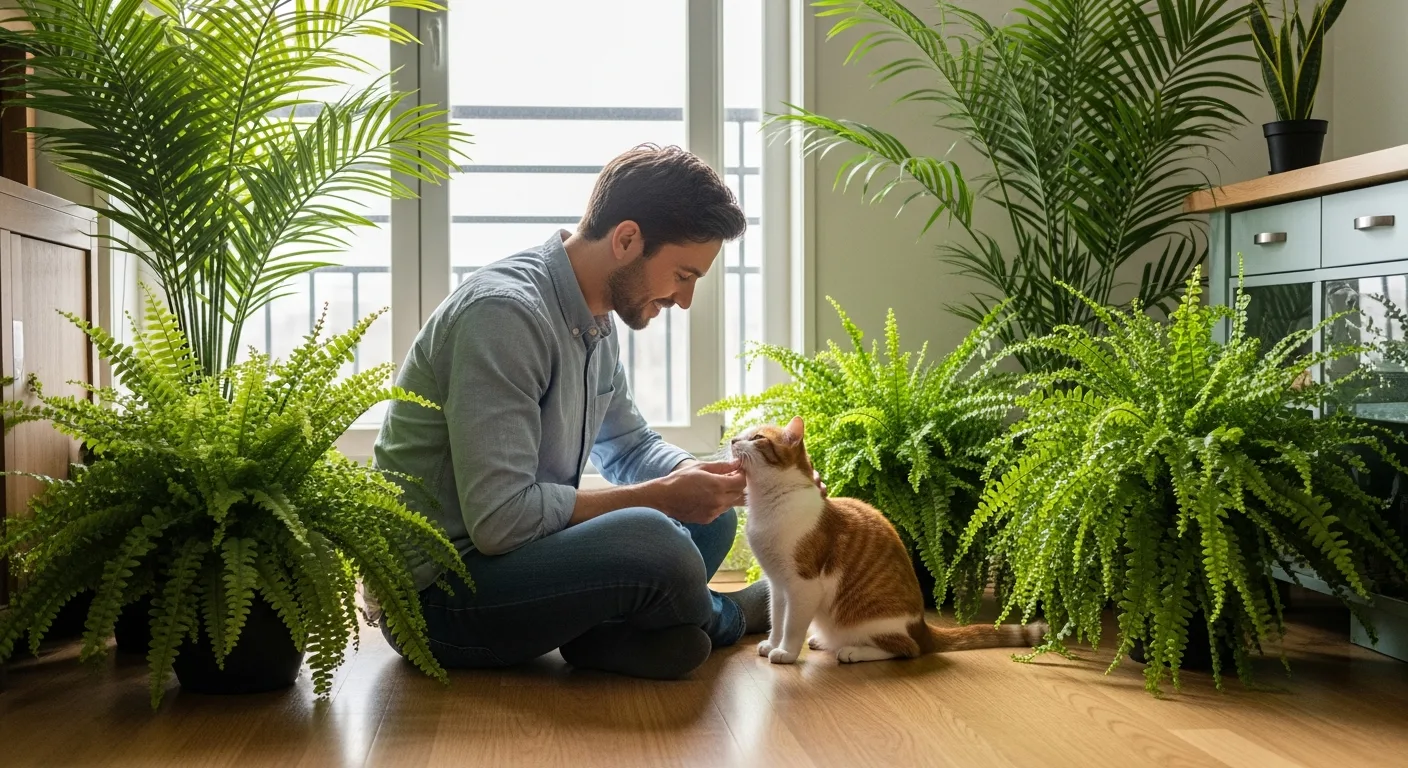
Bringing nature indoors shouldn’t feel like a gamble with your cat’s life. He is naturally curious, and his instinct to nibble on leaves can lead to disaster if you aren’t careful. Fortunately, you can build a vibrant indoor garden that coexists perfectly with his playful nature. When selecting the best house plants for your living room, prioritize species that offer visual appeal without the hidden toxins.
Many popular plants, like lilies and sago palms, are lethal to felines. However, several stunning varieties are completely non-toxic. By choosing the right species, you ensure he stays healthy while you enjoy the air-purifying benefits of indoor greenery.
Top Non-Toxic Plants for Your Feline Friend
If you want to transform your space into a green sanctuary, start with these cat-approved options. These plants are resilient, stylish, and safe if he decides to take a curious bite.
- Spider Plant (Chlorophytum comosum): This is a classic for a reason. It is incredibly easy to grow and produces “pups” that hang down, providing entertainment for him. While safe, it can have a mild hallucinogenic effect on some cats, so he might act a bit strange if he eats too much.
- Parlor Palm (Chamaedorea elegans): If you want a tropical vibe, this palm is the way to go. Unlike the toxic Sago Palm, the Parlor Palm is entirely safe. He will love the feathery fronds, and you will love how it thrives in low light.
- Boston Fern (Nephrolepis exaltata): These lush, shaggy plants are perfect for hanging baskets. They require high humidity, but they won’t harm him if he bats at the dangling leaves.
- Calathea (Prayer Plant): Known for their stunning leaf patterns, Calatheas are safe and add a sophisticated touch to any shelf. They fold their leaves at night, which might catch his eye, but they won’t hurt his stomach.
Identifying and Avoiding Toxic Greenery
It is just as important to know what to keep out of your home. Some plants cause immediate kidney failure or severe neurological issues in cats. Lilies are the most dangerous; even a small amount of pollen on his fur can be fatal if he licks it off. Other common culprits include Pothos, Philodendrons, and Aloe Vera.
If he manages to get into something he shouldn’t, having a solid grasp of pet emergency care at home is the first line of defense. Always keep the number for a pet poison control hotline saved in your phone. Symptoms of plant poisoning include vomiting, lethargy, drooling, and loss of appetite.
How to Discourage Your Cat from Chewing Plants
Even if a plant is safe, you probably don’t want him shredding your expensive Calathea. To protect your greenery and his digestion, try these strategies:
Provide Cat Grass: Give him his own dedicated plant to chew on. Cat grass (usually wheat or oat grass) satisfies his craving for greens and provides fiber that helps him pass hairballs.
Use Deterrents: Cats dislike citrus smells. You can place orange or lemon peels in the soil or use a pet-safe bitter spray on the leaves to discourage him from approaching.
Strategic Placement: Use wall-mounted planters or high floating shelves to keep your most prized plants out of his reach. This prevents him from knocking pots over and keeps the foliage pristine.
Creating a Feline-Friendly Indoor Jungle
Designing a home that accommodates both your aesthetic and his safety is simple with a bit of planning. Focus on textures that he finds unappealing for scratching, like smooth ceramic pots, and ensure all heavy planters are stable so he can’t tip them over during a midnight zoomie session.
By sticking to the ASPCA-approved list of non-toxic plants, you can enjoy a lush, green environment without the constant worry. He gets a stimulating environment to explore, and you get a beautiful home that breathes better.
Frequently Asked Questions
Are succulents safe for cats?
It depends on the species. While Echeveria and Haworthia are generally safe, Jade plants and Kalanchoe are toxic. Always check the specific variety before bringing a succulent home to him.
Is Lavender toxic to cats?
Yes, lavender contains linalool and linalyl acetate, which cats cannot process efficiently. Ingesting it or even heavy exposure to essential oils can cause nausea and liver issues for him.
What should I do if my cat eats a toxic plant?
Immediately remove any plant material from his mouth and contact your veterinarian. Do not try to induce vomiting yourself unless specifically instructed by a professional, as some toxins can cause more damage on the way back up.