Essential Features of a High-Quality Outdoor Cat House
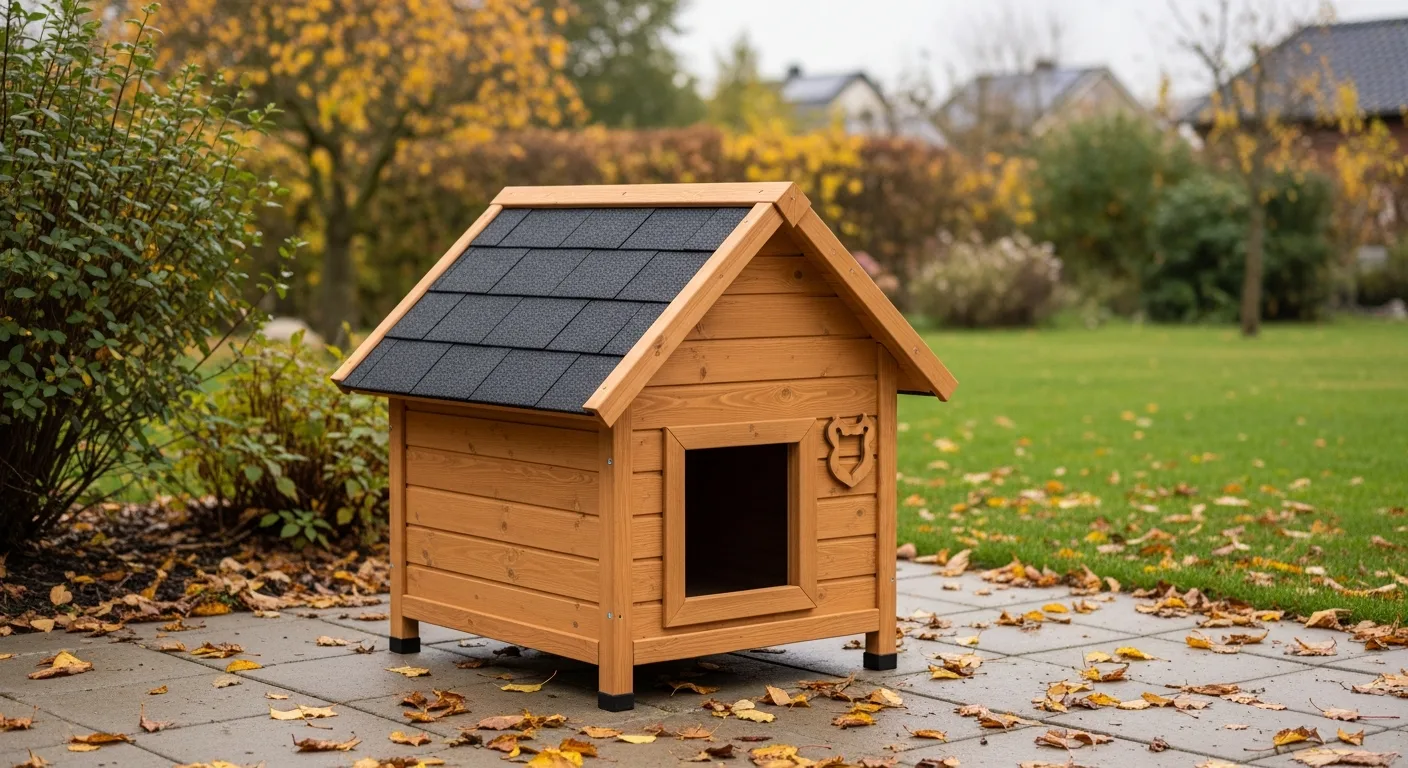
A cat roaming the backyard needs more than just a thick coat to survive a harsh winter or a torrential downpour. Providing a dedicated cat house outdoor is a necessity for any owner who wants to ensure his feline friend remains shielded from predators and the elements. The first thing to look for is elevation. A house that sits directly on the ground will soak up moisture and cold. Look for models with raised feet to keep the floor dry and away from frozen soil.
Weatherproofing is the next non-negotiable factor. The roof should be slanted to allow rain and snow to slide off easily. Many premium shelters use asphalt shingles similar to those on a human home. When selecting materials, it is wise to consider the best wood for outdoor furniture, such as cedar or hemlock, because these woods naturally resist rot and insect infestation without the need for harsh chemicals that might irritate a cat’s respiratory system.
Insulation and Temperature Control
An uninsulated box is just a crate. To keep a cat warm when the temperature drops, the walls should be lined with thermal insulation or thick foam. Some high-end outdoor houses feature reflective foil lining that bounces the cat’s own body heat back toward him. If you live in an area with extreme sub-zero temperatures, look for a house that is compatible with a heated pet pad, ensuring the cord exit is pre-drilled and weather-sealed.
- Straw vs. Blankets: Never use blankets or towels in an outdoor shelter. They absorb moisture from the air and the cat’s fur, eventually freezing and turning into an ice block. Use straw instead; it allows the cat to burrow and stays dry.
- Door Flaps: Clear PVC door flaps are excellent for keeping wind out while allowing the cat to see what is happening outside before he exits.
Safety and Predator Defense
Safety is about more than just warmth. A well-designed outdoor cat house must have two exits. This is a critical survival feature. If a predator, such as a stray dog or a raccoon, tries to enter through the front door, the cat needs a rear escape hatch to avoid being cornered. These exits should be large enough for the cat but small enough to prevent larger animals from entering.
Placement also plays a role in safety. Position the house against a wall or in a corner to block the prevailing wind. Keeping a pet first aid home guide nearby is also a smart move for any owner, as it helps him quickly address minor scrapes or signs of hypothermia if the cat has been out in particularly rough weather.
Maintenance for Longevity
To ensure the shelter lasts for years, he should perform a seasonal check-up. This involves cleaning out old straw, checking the roof for leaks, and ensuring the wood hasn’t developed any sharp splinters. If the house is painted, use a non-toxic, low-VOC exterior paint to refresh the finish. A sturdy, well-maintained structure ensures the cat always has a reliable place to retreat when the weather turns sour.
Frequently Asked Questions
What is the best bedding for an outdoor cat house?
Straw is the gold standard for outdoor bedding. It is inexpensive, resists moisture, and provides excellent insulation by trapping air. Avoid hay, which can get moldy, and avoid blankets, which hold moisture and can freeze.
Where should I place an outdoor cat house?
Place the house in a quiet, low-traffic area that is protected from the wind. Facing the entrance toward a wall or under a porch eave provides an extra layer of protection from driving rain and snow.
Do outdoor cat houses need two doors?
Yes. A second exit is a vital safety feature that prevents a cat from being trapped inside by a predator. Most high-quality outdoor shelters include a main entrance and a smaller escape door.
How do I get a cat to start using his new outdoor house?
He can encourage the cat by placing familiar-smelling items or a few treats inside. It is important not to force the cat in; let him explore the structure at his own pace until he feels secure.