The Appeal of the Cape House Snake
The Cape House Snake (Boaedon capensis) is a master of adaptation. Originally from Southern Africa, he has earned a reputation among keepers for being incredibly hardy and manageable. Unlike more temperamental species, this snake is known for his docile nature once he settles into his environment. He is a non-venomous constrictor that, in the wild, frequently dwells near human settlements to hunt rodents, hence his common name.
For a man looking to enter the reptile hobby, the Cape House Snake offers a perfect balance of activity and ease of care. He doesn’t grow to an unmanageable size, typically reaching between 2 to 4 feet, making him an ideal resident for smaller living spaces. His sleek, muscular build and iridescent scales provide a striking visual presence in any terrarium setup.
Identifying the Cape House Snake
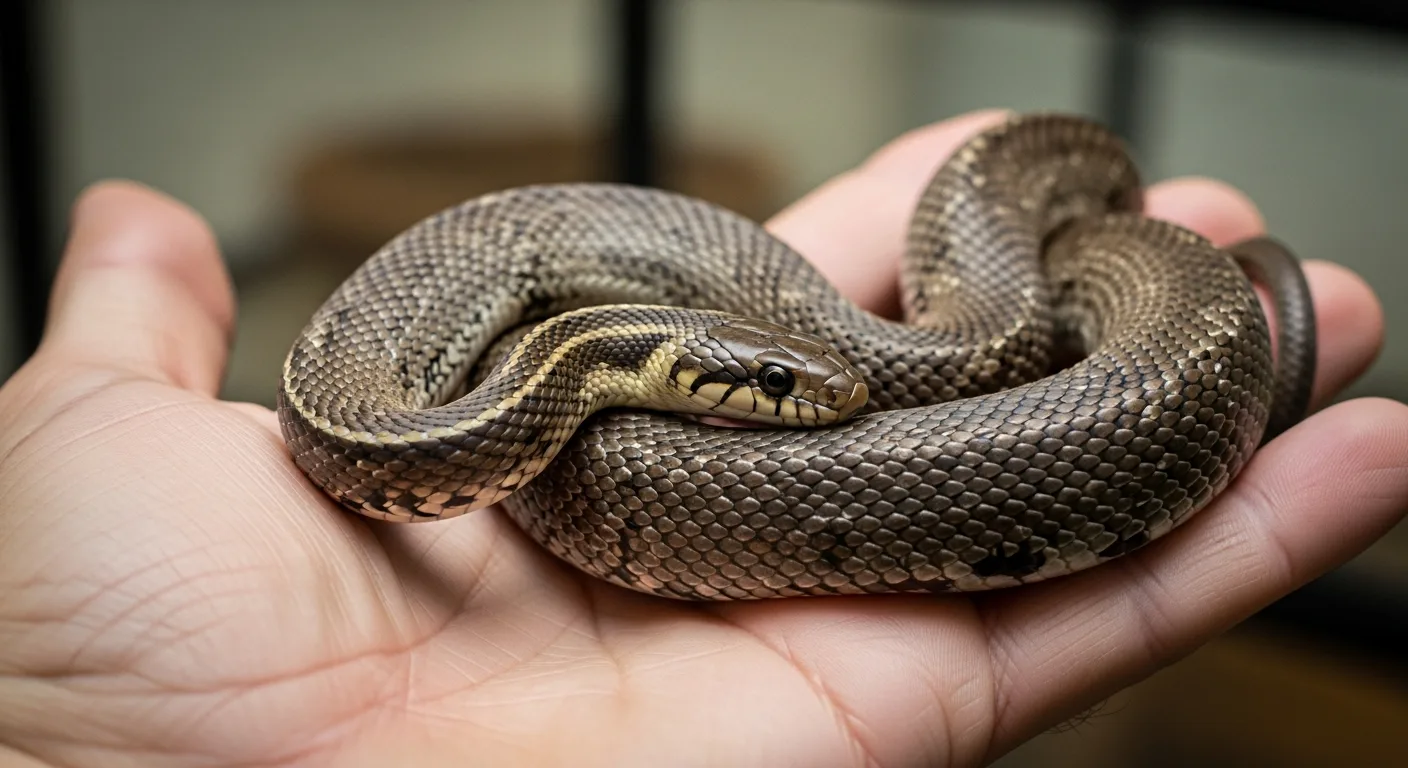
Recognizing this species is straightforward once you know what to look for. He typically displays a beautiful brown or olive-green hue, often accented by two distinct pale stripes running from his nose, through his eyes, and down his neck. His belly is usually a clean, pearly white, which contrasts sharply with his darker dorsal scales.
- Size: Males are generally smaller and thinner than females, often staying around 2 feet.
- Eyes: He has vertical pupils, a characteristic of many nocturnal hunters.
- Scales: His scales are smooth and highly polished, giving him a glossy appearance after a fresh shed.
Creating the Ideal Habitat
A male Cape House Snake doesn’t require a massive enclosure to thrive. A 20-gallon long tank is often sufficient for an adult. The key is providing a thermal gradient so he can regulate his body temperature. One side of the enclosure should be kept around 90°F using an under-tank heating pad or a ceramic heat emitter, while the cool side stays in the mid-70s.
Substrate choice is vital for his comfort. Aspen shavings or coco husk work well, as they allow him to burrow, a natural behavior he enjoys. He also needs at least two hiding spots—one on the warm side and one on the cool side—to feel secure. If he feels exposed, he may become stressed and refuse to eat. While these snakes are generally robust, a keeper should still be familiar with understanding pet health remedies to address minor environmental stressors before they escalate into respiratory issues.
Diet and Feeding Habits
In the wild, he is a prolific hunter of rodents and lizards. In captivity, he transitions easily to frozen-thawed mice. A young snake should be fed once every 5 to 7 days, while an adult male can go 10 to 14 days between meals. He has a strong feeding response, so it is always best to use feeding tongs to avoid accidental nips.
Always ensure he has access to a bowl of fresh, clean water. He may occasionally soak in his water bowl, especially when he is preparing to shed his skin. If he struggles with a shed, increasing the humidity in his hide box by adding damp moss can help him peel away the old skin in one complete piece.
Health and Longevity
With proper care, a Cape House Snake can live for 15 to 20 years. He is generally resistant to many common reptile ailments, provided his enclosure is kept clean and his temperatures are stable. Regular spot-cleaning of the substrate and a deep clean of the tank once a month will keep bacteria at bay. Keeping a pet first aid home guide nearby is a smart move for any owner to handle unexpected scrapes or minor mouth rot issues promptly.
Watch for signs of illness such as lethargy, wheezing, or a lack of appetite over an extended period. A healthy snake will be alert, have clear eyes (except when in shed), and flick his tongue frequently to explore his surroundings. By paying close attention to his behavior, a keeper can ensure his companion lives a long, healthy life.
Frequently Asked Questions
Are Cape House Snakes venomous?
No, they are completely non-venomous constrictors. They pose no danger to humans and are generally very reluctant to bite once they are used to being handled.
Do they need special lighting?
While they are primarily nocturnal and do not strictly require UVB lighting to survive, providing a low-level UVB source can benefit their overall health and activity levels.
Can two Cape House Snakes live together?
It is best to house them individually. They are solitary animals, and keeping two in the same enclosure can lead to stress, competition for food, or even cannibalism in some cases.