Identifying the Common House Spider Egg Sac
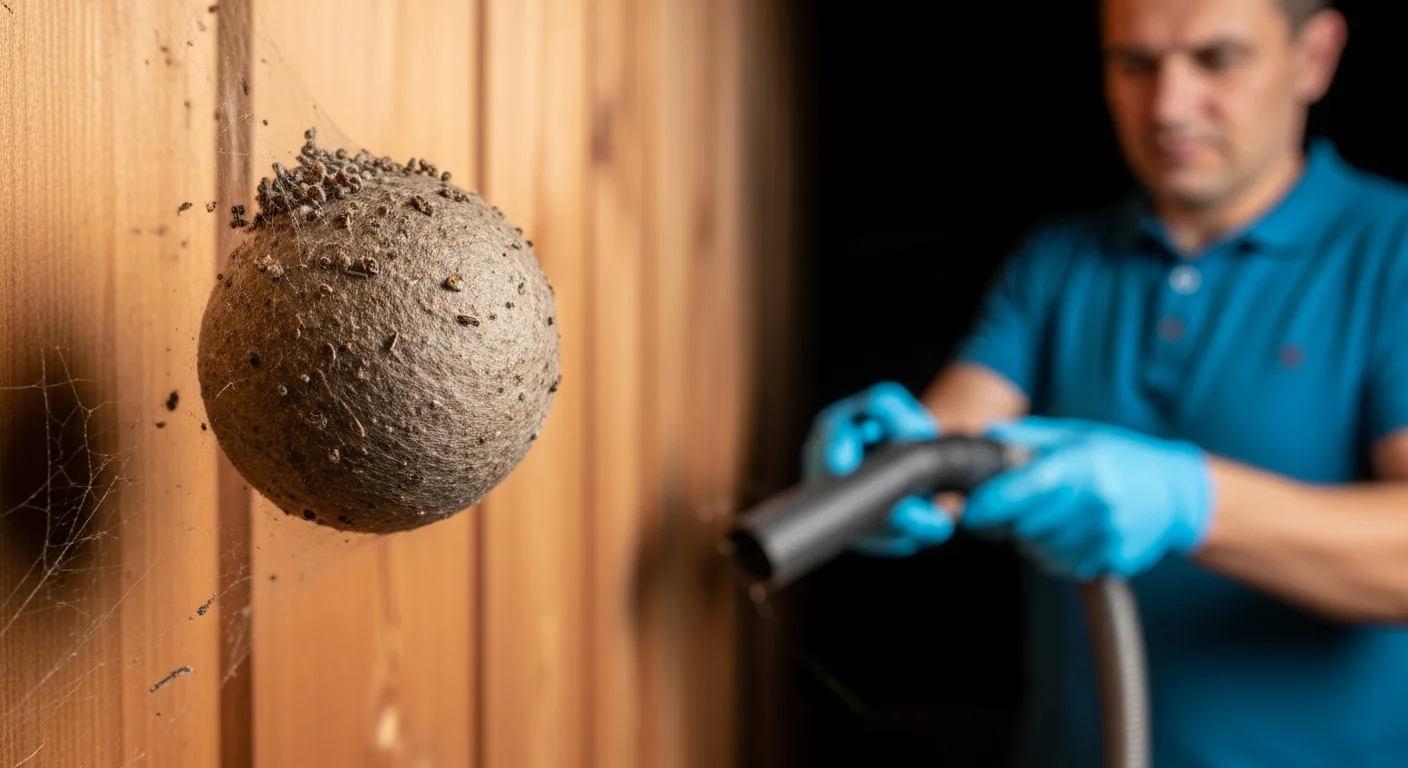
Finding a small, papery bundle tucked into a dusty corner can be a jarring experience for any homeowner. If he spots a common house spider egg sac, he is looking at the protective casing for hundreds of future spiderlings. These sacs, typically produced by the Parasteatoda tepidariorum, are distinct in their appearance. Unlike the perfectly spherical, white cotton-ball sacs of other species, the common house spider creates a teardrop or pear-shaped vessel.
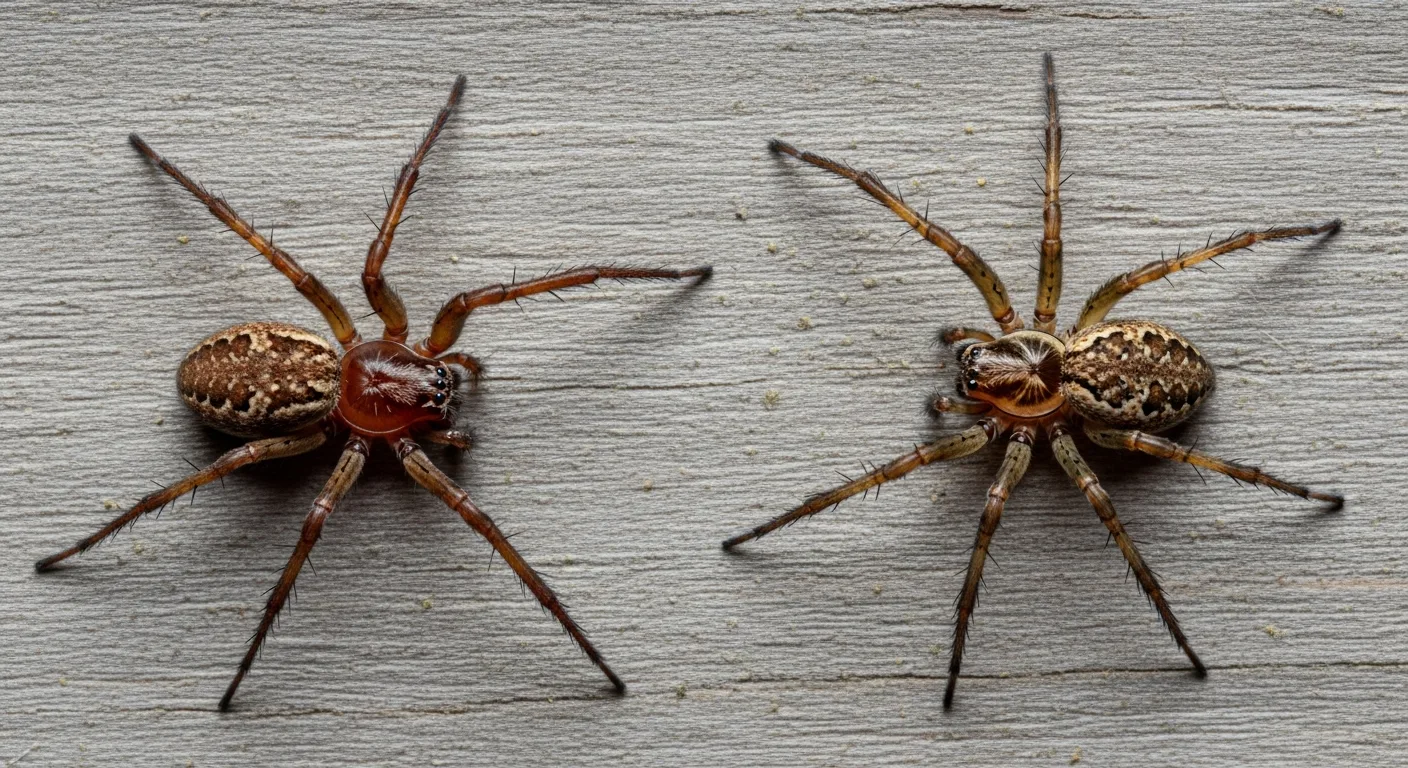
The texture is often described as papery or silken, and the color ranges from a dingy tan to a light brown. A single sac can measure about 1/4 to 1/2 inch in diameter. Because the common house spider is a prolific breeder, a homeowner might find several of these sacs suspended within a single, tangled web. When a homeowner spots a web, he might worry about more venomous guests, making it vital to understand the brown recluse vs house spider differences before taking action.
Where Spiders Typically Hide Their Eggs
The common house spider is a master of choosing low-traffic, secluded areas. He prefers spots where the sac will remain undisturbed by predators or human activity. A homeowner should check the following areas if he suspects an infestation:
- Upper Corners: Where the ceiling meets the wall, especially in basements or garages.
- Window Frames: Behind curtains or inside the tracks of rarely opened windows.
- Behind Appliances: The warmth and darkness behind a refrigerator or washing machine are ideal.
- Under Furniture: The undersides of couches or heavy bookshelves.
The Lifecycle: From Sac to Spiderlings
Once the female deposits her eggs into the silk sac, the countdown begins. Depending on the ambient temperature and humidity of the home, the eggs usually hatch within two to four weeks. A single sac can contain anywhere from 100 to 400 eggs. If the homeowner leaves the sac alone, he will eventually see tiny, translucent spiderlings emerging and dispersing via “ballooning”—using small silk threads to catch air currents and move to new parts of the house.
While these spiders are generally harmless and actually help by eating flies and mosquitoes, most men prefer not to share their living space with hundreds of new roommates. Effective household pest control for mites and ants often follows the same principles as spider management: exclusion and sanitation.
How to Safely Remove Egg Sacs
If a homeowner discovers an egg sac, he should act quickly but calmly. There is no need for heavy chemical sprays, which are often ineffective against the protective silk of the sac. Instead, he can use these mechanical removal methods:
The Vacuum Method: This is the most efficient way to handle the problem. Using a hose attachment, the homeowner can suck up the sac, the web, and the adult spider simultaneously. He must ensure he empties the vacuum canister or replaces the bag immediately, disposing of the contents in a sealed outdoor trash bin to prevent any survivors from crawling back inside.
Manual Removal: If the sac is in an easy-to-reach spot, he can use a glass jar and a piece of stiff paper. He should place the jar over the sac, slide the paper underneath to detach the silk from the wall, and then relocate the sac far away from the house structure.
Preventing Future Spider Infestations
To ensure he doesn’t find more egg sacs in the future, the homeowner needs to make his environment less hospitable. Spiders are attracted to prey; if he eliminates other insects, the spiders will move elsewhere. He should focus on:
- Sealing Entry Points: Using caulk to close gaps around windows, doors, and utility pipes.
- Managing Humidity: Using dehumidifiers in basements, as many spiders thrive in damp environments.
- Decluttering: Removing stacks of cardboard boxes or old newspapers where spiders love to hide.
- Exterior Maintenance: Keeping bushes and woodpiles away from the home’s foundation.
Frequently Asked Questions
Can a house spider egg sac hatch inside a vacuum?
Yes, if the sac is not disposed of properly, the spiderlings can hatch and potentially crawl out of the vacuum. A homeowner should always empty his vacuum into an outdoor bin immediately after removal.
Are common house spider egg sacs dangerous to touch?
The sac itself is not dangerous, but the mother spider is often nearby and may attempt to protect her eggs. While her bite is not medically significant for most men, it can cause minor irritation.
How many egg sacs does a house spider lay?
A single female can produce up to 10 or 12 sacs during her lifetime, meaning a single spider can potentially introduce thousands of offspring into a home if left unchecked.