The Immediate Aftermath of the Bucks County Nursing Home Incident
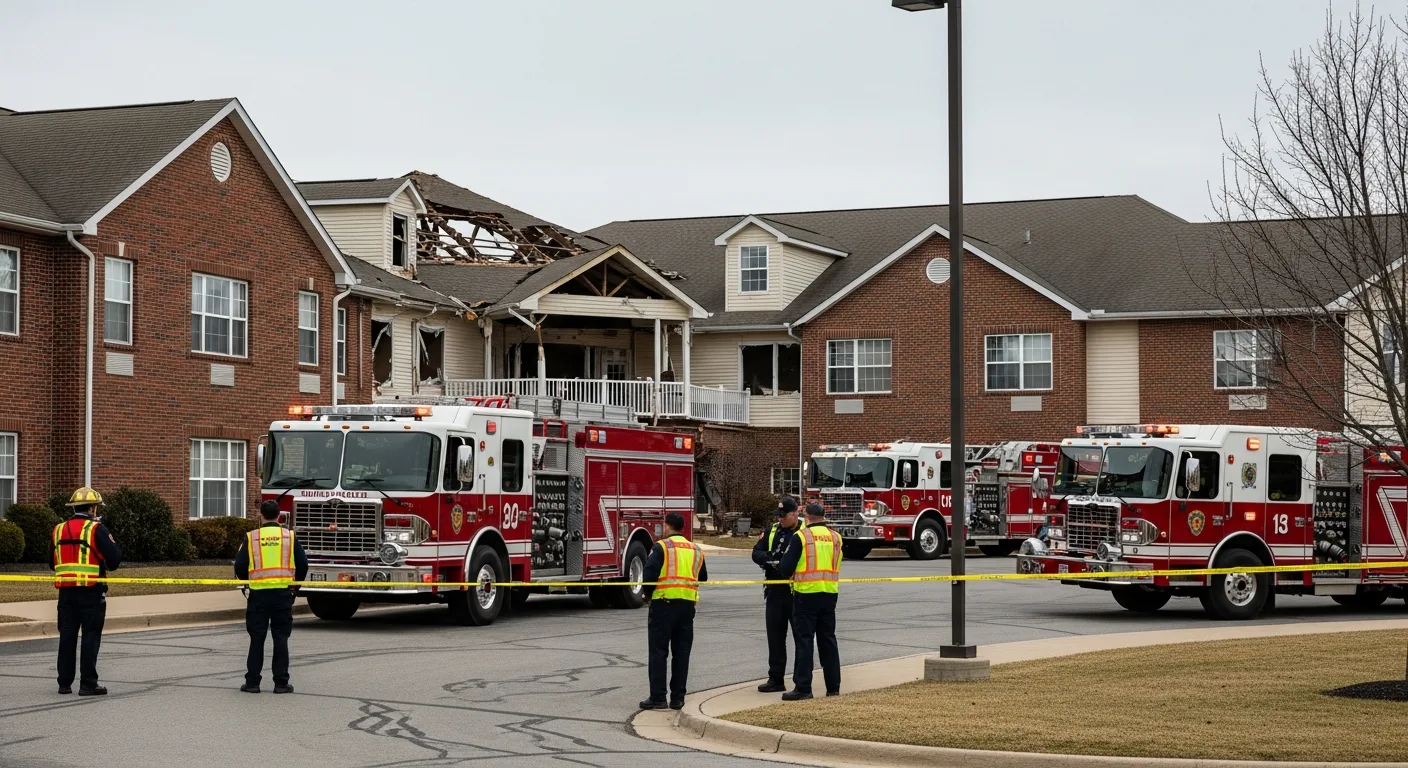
The recent explosion at a Bucks County nursing home has sent shockwaves through the local community, raising urgent questions about the safety of our most vulnerable citizens. When a facility designed for care becomes a site of catastrophe, the focus immediately shifts to emergency response and the underlying failures that allowed such an event to occur. For any man responsible for the care of an aging father or relative, understanding the mechanics of these incidents is vital for future protection.
First responders in Bucks County have emphasized the complexity of evacuating a high-acuity population during a structural failure. The blast, which caused significant damage to one wing of the building, required a massive coordination of resources. Structural integrity is the first concern; if the building’s framework is compromised, the risk of secondary collapses remains high, complicating the rescue of any resident trapped in his room.
Identifying the Root Causes of Facility Explosions
While investigations are ongoing, history suggests that nursing home explosions typically stem from a few specific mechanical failures. Gas leaks remain the primary culprit. Whether due to aging infrastructure or a lack of rigorous inspection, a buildup of natural gas in a confined space like a basement or kitchen can be ignited by the smallest spark.
- Boiler Room Failures: High-pressure steam boilers require constant monitoring. If a technician neglects his duty to inspect pressure valves, the results can be lethal.
- HVAC Malfunctions: Faulty wiring or gas lines feeding into large-scale heating systems are frequent points of failure.
- Oxygen Tank Mishandling: In environments where many residents rely on supplemental oxygen, a small fire can quickly turn into an explosive event if tanks are not stored according to strict safety codes.
Facility managers must be proactive in their approach to maintenance. This includes implementing fire and air quality safety protocols to detect gas leaks or electrical faults before they escalate into life-threatening situations.
Resident Rights and Safety Protocols in Senior Care
A resident deserves to live in an environment where his well-being is the top priority. When an explosion occurs, it often points to a systemic failure in maintaining nursing home rights and safety standards that are mandated by state law. Every man residing in a long-term care facility has the right to a safe, hazard-free living space.
If a resident is injured in such an event, he has the right to seek legal counsel to determine if negligence played a role. His family should immediately request the facility’s recent inspection reports and maintenance logs. In Pennsylvania, nursing homes are required to undergo regular safety audits, and any history of cited violations regarding gas lines or fire suppression systems could be a critical piece of evidence in a liability claim.
Actionable Steps for Families Post-Explosion
In the wake of a disaster, the priority is the relocation and medical assessment of the resident. Do not assume that because he appears uninjured, he is free from trauma. The concussive force of an explosion can cause internal injuries or severe psychological distress for an elderly man.
- Secure Medical Records: Ensure his physician performs a full evaluation immediately following the evacuation.
- Document the Scene: If possible, take photos of the exterior damage and keep a log of all communications with the facility administration.
- Review the Contract: Look for clauses regarding emergency relocation and the facility’s responsibility for personal property lost in the blast.
The bottom line is that these events are rarely “accidents” in the truest sense; they are usually the result of a chain of neglected maintenance tasks. A man must be vigilant in choosing a facility that demonstrates a transparent commitment to mechanical safety and regular staff training.
Frequently Asked Questions
What are the most common causes of explosions in nursing homes?
Most explosions in these facilities are caused by natural gas leaks, malfunctioning commercial boilers, or the improper storage of pressurized oxygen tanks. Poorly maintained HVAC systems are also a significant risk factor.
Can a resident sue a nursing home for an explosion?
Yes. If the explosion was caused by the facility’s failure to maintain equipment or follow safety codes, the resident has the right to file a personal injury lawsuit. He can seek damages for medical bills, pain and suffering, and loss of property.
How can I check the safety record of a Bucks County nursing home?
You can access inspection reports through the Pennsylvania Department of Health’s website. These records will show if the facility has been cited for fire safety violations, gas line issues, or inadequate emergency planning in the past.
What should I do if my relative is relocated after an explosion?
Ensure you have his updated medication list and that his new caregivers are aware of his specific medical needs. Visit him as soon as possible to assess his mental state and ensure he is receiving proper care in the temporary setting.