The Thrill of Backyard Birding
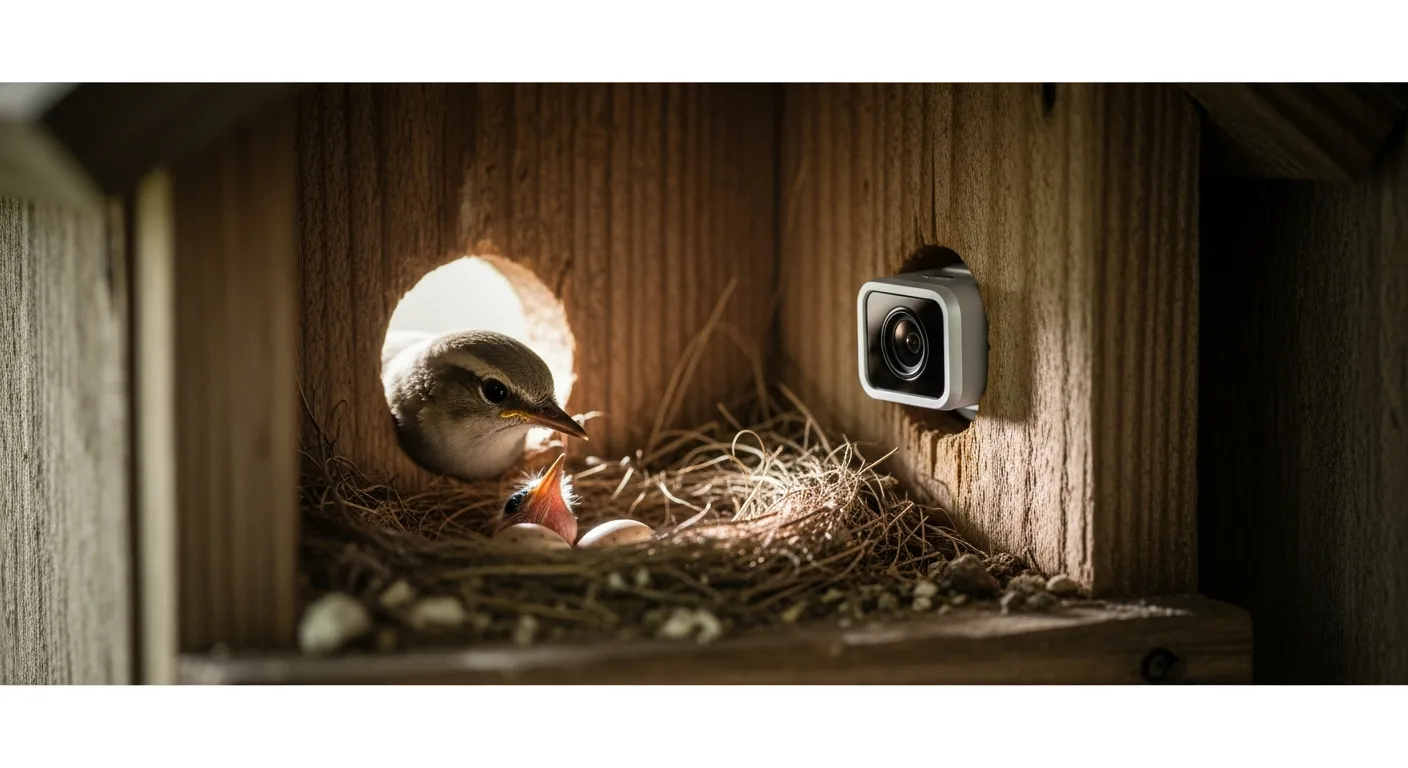
Watching a bird fly into a wooden box with a beak full of twigs is one thing, but witnessing the secret life inside that box is a completely different experience. A bird house camera removes the guesswork and provides a front-row seat to the hatching and feeding process. For any man who enjoys his garden, this technology offers a unique way to connect with nature without disturbing the inhabitants.
Modern cameras have evolved significantly. We are no longer limited to grainy, black-and-white footage. High-definition streams, infrared night vision, and motion alerts now come standard, allowing a hobbyist to monitor his feathered guests from a smartphone or tablet while sitting in his living room.
Choosing Between Wired and Wireless Systems
The first decision a homeowner must make is how to transmit the video signal. Each method has its own set of technical requirements and benefits.
- WiFi Cameras: These are the most popular because they eliminate the need for long video cables. As long as the birdhouse is within range of a router, he can stream live footage directly to an app.
- Wired (PoE) Systems: Power over Ethernet is the gold standard for reliability. It uses a single cable to provide both power and data. This is ideal if he wants a lag-free connection and doesn’t mind a bit of digging to bury the wire.
- Offline Options: If the garden is expansive and out of signal range, he might consider offline security cameras without wifi that record to an internal SD card for later viewing.
Essential Features for Clear Nesting Footage
Not all cameras are built for the tight, dark confines of a nesting box. To get the best results, he should look for specific hardware specs:
Invisible Infrared (IR) LEDs: Birds can see some spectrums of light that humans cannot. It is vital to use “invisible” IR so the glow doesn’t disrupt the bird’s natural sleep cycle or attract predators. This allows for crisp black-and-white footage even in total darkness.
Wide-Angle Lenses: Since the camera is usually mounted only a few inches from the nest, a wide-angle lens (around 100 to 120 degrees) is necessary to capture the entire floor of the birdhouse. Without it, he might only see a close-up of a single wing.
Adjustable Focus: Many bird house cameras feature a manual focus ring. Because the distance between the lens and the eggs is fixed and very short, he must be able to fine-tune the focus during installation to ensure the image is sharp.
Installation and Placement Strategy
Placement is the difference between a thriving nest and an empty box. He should mount the birdhouse at least five to ten feet off the ground to deter ground-based predators. Facing the entrance hole toward the East or Northeast is generally recommended to avoid the harsh afternoon sun and prevailing winds.
When building or buying the enclosure, the material matters. Using the best wood for outdoor furniture, such as cedar or redwood, ensures the house remains weather-resistant and provides natural insulation for the chicks. Avoid pressure-treated woods, as the chemicals can be toxic to small birds.
Powering the Setup in Remote Areas
Power management is often the biggest hurdle. If he isn’t using a wired PoE setup, he has two main choices:
Battery Power: Convenient but high-maintenance. He will need to swap batteries every few weeks, which risks scaring away the birds if they have already started nesting.
Solar Panels: A small solar panel mounted on a nearby fence or pole can provide a continuous trickle charge to the camera. This is the most “set it and forget it” approach, allowing him to enjoy the season without ever opening the box.
Frequently Asked Questions
Will the camera heat up and hurt the birds?
Quality bird house cameras are designed to be low-voltage and generate minimal heat. As long as there is proper ventilation in the birdhouse design, the temperature change is negligible and safe for the hatchlings.
Can I hear the birds as well as see them?
Yes, most modern bird house cameras include a built-in microphone. This allows him to hear the tiny chirps of hungry chicks, adding a whole new layer to the observation experience.
When is the best time to install the camera?
He should install the camera and the house in late winter or very early spring. This gives the birds time to scout the location before the nesting season begins. Once a bird has started building a nest, he should avoid opening the box or making adjustments.