Defining the Modern Home Cinema Experience
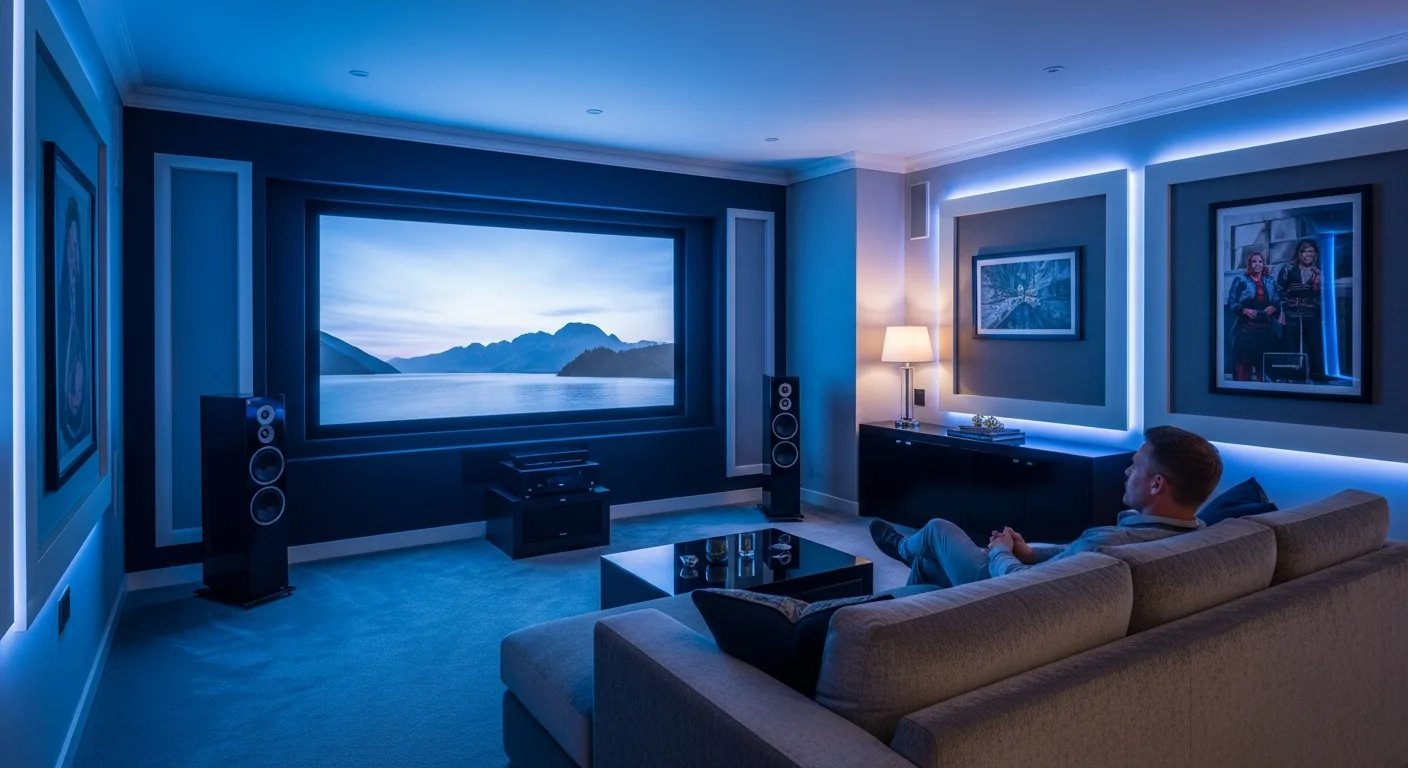
In 2026, the concept of a home theater has evolved far beyond a simple television and a pair of speakers. For the modern enthusiast, the goal is total immersion. Whether he is watching a high-octane blockbuster or a subtle period drama, the audio must be as sharp and nuanced as the visuals. Selecting the right system requires a deep understanding of how sound interacts with the environment and how different components work in harmony to replicate a commercial cinema experience.
When a homeowner begins his journey into high-end audio, optimizing the physical dimensions and sound properties of your space becomes the first priority. Without proper acoustic treatment and layout planning, even the most expensive equipment will fail to reach its full potential. He must consider the balance between raw power and clarity, ensuring that every whisper is audible and every explosion is felt.
Top Categories of Home Theater Systems
Choosing the best system depends largely on the user’s technical expertise, his budget, and the specific layout of his room. Here are the primary categories dominating the market this year:
- Component-Based Systems: The gold standard for audiophiles. This involves purchasing a separate A/V receiver and individual speakers. This allows him to customize his setup, choosing specific brands for the center channel, towers, and subwoofers.
- Home Theater in a Box (HTiB): A convenient solution for those who want a cohesive system without the complexity of matching components. These packages typically include a receiver, satellite speakers, and a subwoofer.
- Premium Soundbar Systems: Modern soundbars with wireless rear speakers and subwoofers have bridged the gap between convenience and performance. They are ideal for smaller rooms or for the man who prefers a minimalist aesthetic.
Key Features to Look for in 2026
Technology moves fast, and a premium system must be future-proof. When evaluating the latest models, he should look for specific technical standards that ensure longevity and performance.
Object-Based Audio (Dolby Atmos and DTS:X)
Unlike traditional surround sound, which assigns audio to specific channels, object-based audio treats sound as individual elements that can move in a 3D space. This adds a height dimension, making it feel as though a helicopter is flying directly over his head. Most top-tier systems now feature upward-firing drivers or dedicated ceiling speakers to achieve this effect.
8K and HDMI 2.1 Compatibility
For the man who integrates his theater with high-end gaming consoles or 8K projectors, HDMI 2.1 is non-negotiable. It supports higher frame rates and Variable Refresh Rate (VRR), ensuring that his audio and video remain perfectly synced without lag. Modern systems also benefit from seamlessly connecting your audio equipment to a central hub for unified control via voice or mobile apps.
Optimizing Installation and Calibration
Once the equipment is selected, the installation process determines the final quality. He should pay close attention to the placement of the center channel speaker, which handles the majority of the dialogue. It should be positioned at ear level for the best clarity. Subwoofers, while less directional, often perform best when placed in a corner to maximize bass response through boundary loading.
Calibration is the final step. Most modern receivers include a calibration microphone. By placing the microphone in his primary seating position, the receiver can automatically adjust the timing and volume of each speaker to compensate for room anomalies. This ensures a balanced soundstage where no single speaker overpowers the others.
Frequently Asked Questions
What is the difference between a 5.1 and a 7.1 system?
A 5.1 system consists of five speakers (front left, front right, center, and two surrounds) and one subwoofer. A 7.1 system adds two additional rear surround speakers, providing a deeper and more precise sense of movement for audio behind the listener.
Are wireless home theater systems as good as wired ones?
In 2026, wireless technology has reached a point where latency is nearly non-existent. While a purist may still prefer high-gauge copper wiring for his flagship towers, wireless rear speakers and subwoofers offer incredible performance and significantly easier installation.
Does the size of the room affect the choice of speakers?
Absolutely. A large, open-concept room requires floor-standing towers and powerful subwoofers to move enough air. Conversely, in a smaller den, high-quality bookshelf speakers paired with a compact subwoofer will often provide a more detailed and less muddy soundstage.