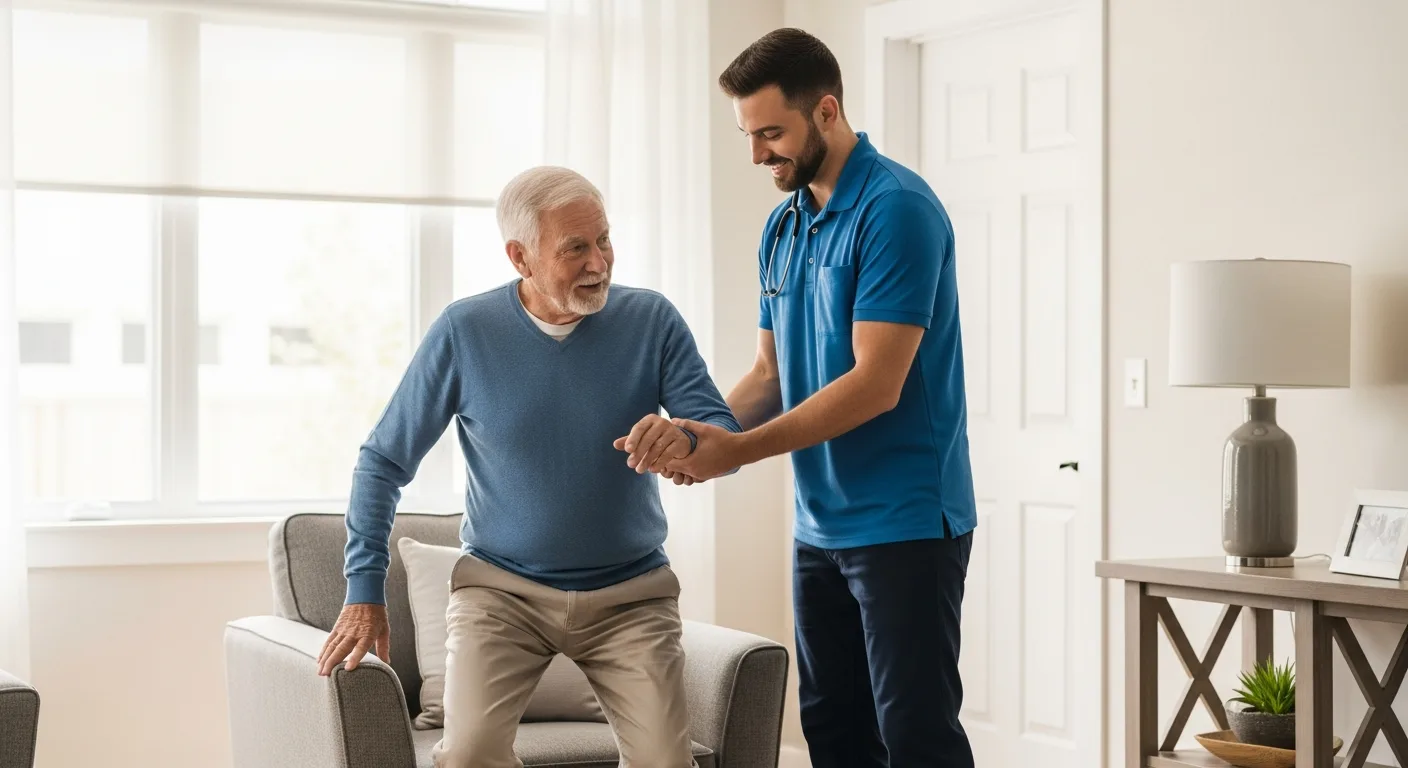
Understanding the Concept of In-Home Assisted Living
As the preference for aging in place grows, many families are looking for ways to bring professional support directly to a senior’s doorstep. Assisted living at home allows a man to maintain his independence and familiar surroundings while receiving the specific help he needs for daily activities. This model shifts the focus from moving into a facility to adapting the home environment to meet his changing health and mobility requirements.
In 2026, the landscape of home health has evolved significantly. With advanced monitoring technology and a more robust network of professional caregivers, it is now possible to replicate many of the services found in residential care settings within a private residence. This approach ensures that he receives personalized attention tailored to his unique schedule and preferences.
Key Components of Professional Home-Based Support
Managing assisted living at home involves a combination of medical supervision, personal care, and logistical support. The goal is to create a comprehensive care plan that addresses his physical and emotional well-being. By focusing on these core areas, a family can ensure he remains safe and comfortable.
- Activities of Daily Living (ADLs): This includes assistance with bathing, dressing, and grooming to ensure he maintains his dignity and personal hygiene.
- Medication Management: Professional caregivers or automated systems help him stay on track with his prescriptions, preventing dangerous errors.
- Nutritional Support: Meal preparation services ensure he receives balanced nutrition that meets his specific dietary needs.
- Companionship: Social interaction is vital for cognitive health, providing him with mental stimulation and emotional support.
Comparing Home Care to Residential Facilities
When a family begins exploring options, the primary question is often whether a facility or a home-based setup is better. When differentiating between nursing homes vs assisted living, the level of medical necessity usually dictates the choice. However, for many men, staying at home provides a level of comfort and autonomy that a facility simply cannot match.
Home-based care is often more flexible. It allows him to keep his own pets, follow his own routines, and remain connected to his neighborhood. While residential facilities offer 24/7 staffing, a well-structured home care plan can provide similar levels of oversight through a mix of live-in care and smart technology.
Essential Home Modifications for Safety
To successfully implement assisted living at home, the physical structure of the house must be evaluated. Safety is the top priority, as falls are a leading cause of injury for seniors. Modifying the environment helps him navigate his space without fear or difficulty.
Common updates include installing grab bars in the bathroom, improving lighting in hallways, and improving home accessibility through ramps and lifts where stairs pose a challenge. By removing these physical barriers, he can continue to use his entire home safely, preserving his sense of freedom and control over his environment.
The Role of Technology in Modern Home Care
By 2026, smart home integration has become a cornerstone of assisted living at home. Wearable devices can now track his vitals and detect falls instantly, alerting caregivers or family members in real-time. Automated pill dispensers and smart sensors in the kitchen can monitor his activity levels and ensure he is following his daily routine.
These technological advancements provide an extra layer of security, allowing him to live independently for longer. It also offers peace of mind to his family, knowing that even when a caregiver is not physically present, he is being monitored by reliable systems designed for his protection.
Frequently Asked Questions
Is assisted living at home cheaper than a facility?
Generally, the cost depends on the number of hours of care required. For those needing part-time assistance, the home-based model is often more affordable. However, 24/7 in-home care can sometimes exceed the monthly cost of a residential facility.
What services are typically included in home-based assisted living?
Services usually include personal care (bathing and dressing), meal preparation, light housekeeping, transportation to appointments, and medication reminders. Specialized medical care can also be added through visiting nurses.
How do I know if he is a good candidate for in-home care?
A man is a good candidate if he is relatively stable but needs help with daily tasks, and his home can be modified for safety. If he requires constant, high-level medical intervention, a clinical setting might be more appropriate.