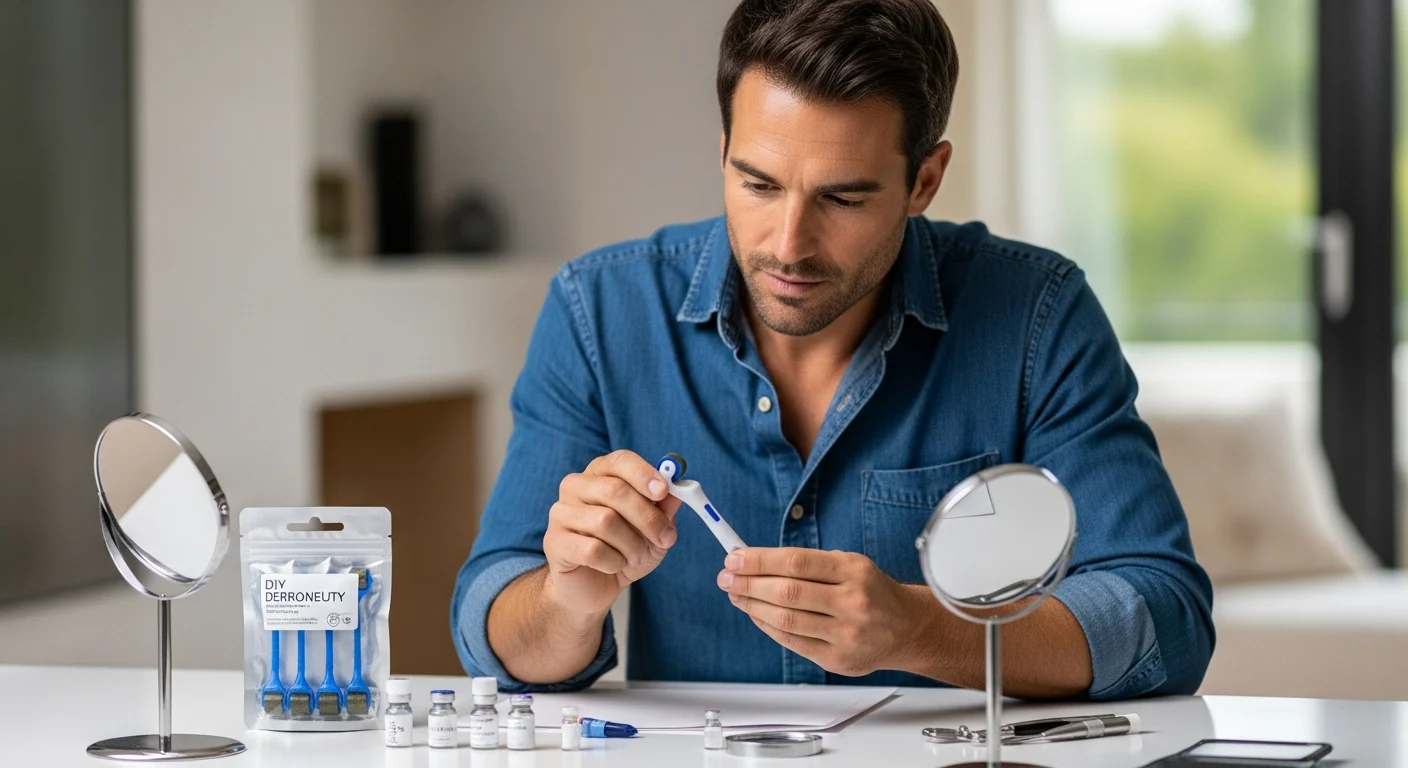
At-home beauty treatments have surged in popularity, offering convenience and cost savings for everything from nails to skincare and hair. Whether you’re mastering dip nail removal, exploring microneedling routines, or trying a new hair color, doing it yourself requires knowledge and care to avoid mishaps. This guide covers essential techniques and safety tips to help you achieve professional-looking results from the comfort of your home. For more on DIY beauty procedures, check out our safety guide for microneedling and fillers.
To remove dipped nails at home, soak them in acetone for 10-15 minutes, gently scrape off the product, and moisturize. For microneedling, do it every 4-6 weeks for collagen stimulation. When dyeing hair at home, always do a patch test and follow instructions carefully to avoid damage.
How to Remove Dipped Nails at Home Safely
Dip nails are durable and long-lasting, but removing them incorrectly can damage your natural nails. The key is patience and the right tools. Start by gathering acetone, cotton balls, aluminum foil, a nail file, and cuticle oil. First, file the top layer of the dip powder to break the seal, which helps the acetone penetrate. Then, soak cotton balls in acetone, place them on each nail, and wrap with foil to secure. Wait 10-15 minutes before gently pushing off the softened product with an orangewood stick. Avoid forcing it, as this can cause peeling or breakage. Finish by washing your hands and applying cuticle oil to rehydrate. For related nail care, see our guide on removing gel polish at home.
- File the surface to remove the top coat
- Soak in acetone with cotton and foil wraps
- Gently scrape off residue without scraping the nail bed
- Moisturize with cuticle oil to prevent dryness
How Often to Microneedle at Home for Best Results
Microneedling involves using tiny needles to create micro-injuries in the skin, stimulating collagen production for smoother, firmer skin. At home, it’s crucial to follow a safe frequency to avoid over-exfoliation or irritation. For most skin types, microneedling every 4-6 weeks is ideal, allowing the skin to heal fully between sessions. Beginners should start with shorter needle lengths (0.25-0.5 mm) and gradually increase as tolerated. Always sterilize your device before and after use to prevent infections. Pair microneedling with serums containing hyaluronic acid or vitamin C for enhanced absorption. Overdoing it can lead to redness or damage, so listen to your skin’s signals. For more advanced skincare tips, explore our DIY beauty procedures safety guide.
- Start with once a month to assess skin tolerance
- Use needle lengths appropriate for home use (under 1 mm)
- Sterilize equipment with alcohol before each session
- Apply soothing products post-treatment, like aloe vera
How to Dye My Hair at Home Without Mistakes
Dyeing your hair at home can save time and money, but it requires careful planning to avoid uneven color or damage. Begin by choosing the right shade—consider doing a strand test first. Protect your skin with petroleum jelly around the hairline and wear gloves. Section your hair into four parts for even application, starting from the roots and working to the ends. Follow the product’s timing instructions precisely; leaving dye on too long can cause dryness, while too little time may result in patchy color. Rinse with cool water to seal the cuticle and use a color-safe shampoo. For ongoing hair health, incorporate deep conditioning treatments weekly. If you’re interested in other home maintenance, check out our guide on home water treatment for better rinse water quality.
| Hair Type | Recommended Dye Type | Application Tips |
|---|---|---|
| Fine Hair | Ammonia-free dye | Apply quickly to avoid over-processing |
| Thick Hair | Permanent dye | Use more product and section thoroughly |
| Color-Treated Hair | Semi-permanent dye | Touch-up roots only to prevent damage |
Additional At-Home Beauty Tips and Precautions
Beyond nails, skin, and hair, at-home beauty encompasses various treatments that require safety awareness. Always patch test new products to check for allergies, and keep a first-aid kit handy for minor mishaps. Maintain clean tools by disinfecting them regularly to prevent bacterial growth. For oral care, while professional cleanings are best, you can support dental health at home with proper brushing and flossing. Avoid risky DIY dental procedures; instead, focus on preventive measures. For emergencies, refer to our guide on advanced DIY dental safety. Integrating these habits ensures a holistic approach to self-care without compromising health.
- Patch test all beauty products 24 hours before full use
- Disinfect tools with alcohol or boiling water
- Store products in a cool, dry place to maintain efficacy
- Consult professionals for complex treatments like fillers
FAQ: People Also Ask
How long does it take to remove dipped nails at home?
Removing dipped nails typically takes 20-30 minutes, including soaking and cleanup. Patience is key to avoid nail damage.
Can I microneedle at home if I have acne?
Yes, but use caution—avoid active breakouts to prevent spreading bacteria. Stick to a 4-6 week frequency and consult a dermatologist if unsure.
What’s the best hair dye for gray coverage at home?
Permanent dyes with ammonia often provide better gray coverage. Look for formulas labeled “for gray hair” and follow instructions closely.
How can I prevent hair damage when dyeing at home?
Use conditioning treatments before and after dyeing, avoid overlapping color on already dyed sections, and limit washing to preserve color.
Is it safe to microneedle around the eyes at home?
No, avoid the eye area due to thin, sensitive skin. Use specialized tools or seek professional treatments for those regions.
Can I reuse microneedling cartridges?
No, always use sterile, single-use cartridges to prevent infections and ensure effectiveness.
What should I do if hair dye irritates my scalp?
Rinse immediately with cool water, apply a soothing agent like aloe vera, and discontinue use. Consult a doctor if irritation persists.
How do I maintain dip nails between fills at home?
Keep nails moisturized with cuticle oil, avoid harsh chemicals, and gently file any lifting to prevent snagging.