Clean, safe water is essential for every household, but with concerns about contaminants, hard water, and pH levels, many homeowners are turning to advanced water treatment solutions. From alkaline water filter systems that enhance hydration to comprehensive whole-home water filtration installations that protect your entire plumbing system, understanding your options can transform your water quality. Whether you’re dealing with dry skin from hard water or worried about chemicals in your tap, this guide covers everything you need to know to make informed decisions for your home’s water needs.
An alkaline water filter system for home raises water’s pH for potential health benefits, while a whole-home water filtration installation removes contaminants from all water sources in your house. Key considerations include water testing, system types (e.g., reverse osmosis, carbon filters), and professional vs. DIY setup, with costs ranging from $500 to $3,000+ depending on features.
Understanding Alkaline Water Filter Systems
Alkaline water filter systems are designed to increase the pH level of your drinking water, typically making it less acidic and more alkaline. These systems often use ionization or mineral additives to achieve this, with claims of improved hydration, antioxidant properties, and better taste. For a deeper dive into water quality solutions, check out our guide on alkaline water filter systems for home.
- pH Enhancement: Raises water pH to 8-10, compared to tap water’s neutral 7.
- Health Claims: May aid digestion and provide antioxidants, though scientific evidence varies.
- Installation Types: Countertop units, under-sink models, or whole-house integration.
- Maintenance: Requires regular filter changes, often every 6-12 months.
Whole-Home Water Filtration Installation Basics
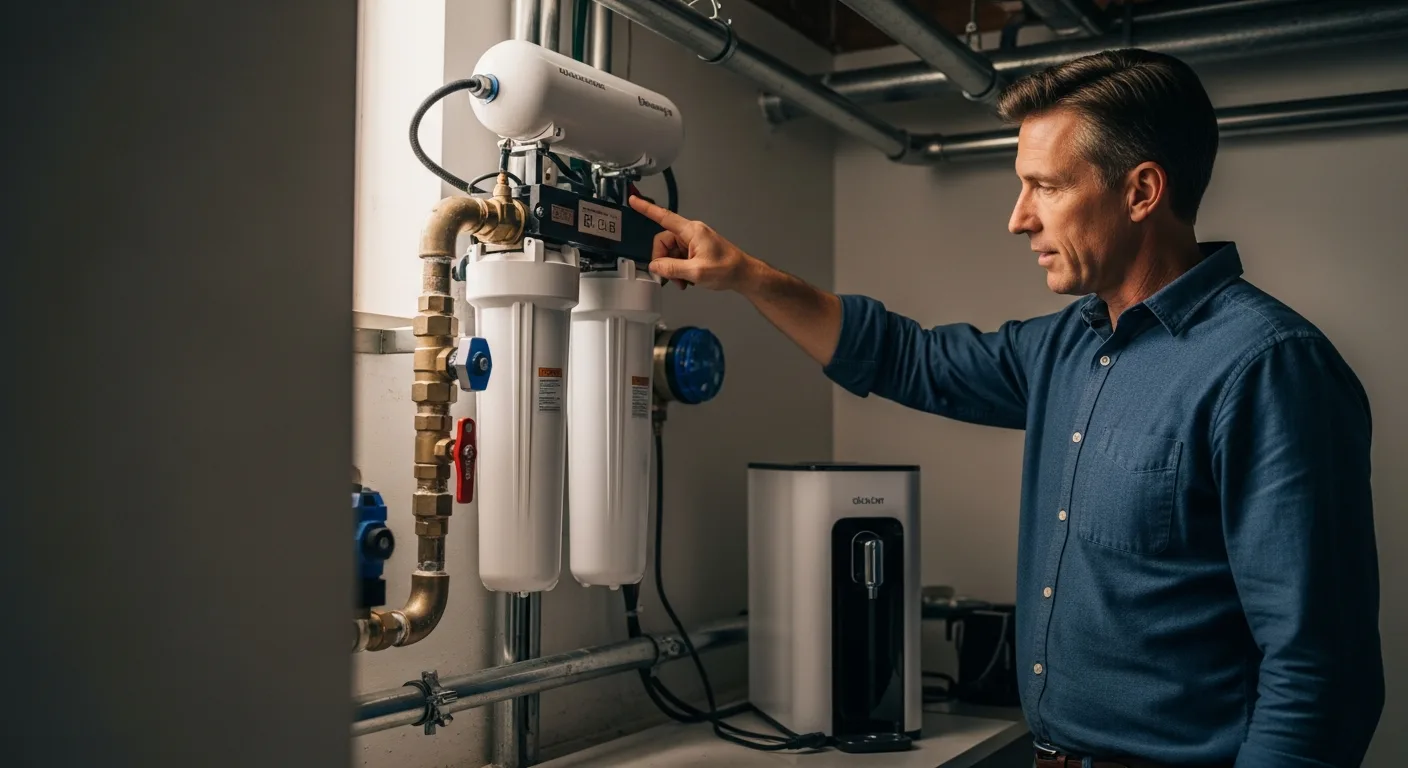
A whole-home water filtration system treats all water entering your house, removing contaminants like chlorine, sediment, and heavy metals. This is ideal for households with hard water issues or concerns about overall water purity. Installation involves placing a main unit near your water entry point, with options for additional stages like UV purification.
- Assess Water Quality: Test your water for contaminants and pH levels.
- Choose System Type: Options include carbon filters, reverse osmosis, or sediment filters.
- Plan Installation: Determine location (e.g., basement, garage) and plumbing requirements.
- Professional Setup: Hire a plumber for complex systems to ensure proper function.
Comparing Water Treatment Systems
When deciding between an alkaline filter and a whole-home system, consider your goals: targeted drinking water improvement vs. comprehensive household protection. Below is a comparison table to help you choose.
| Feature | Alkaline Water Filter System | Whole-Home Water Filtration |
|---|---|---|
| Primary Purpose | Enhance pH for drinking water | Remove contaminants from all water sources |
| Coverage | Limited to specific taps (e.g., kitchen sink) | Entire household plumbing |
| Cost Range | $200 – $1,000 | $500 – $3,000+ |
| Maintenance | Filter changes every 6-12 months | Filter changes annually, plus system checks |
| Best For | Health-conscious individuals | Families with hard water or contamination concerns |
Key Components: Water Booster Pumps and More
A water booster pump for home is often used with filtration systems to maintain adequate water pressure, especially in multi-story houses or after installing restrictive filters like reverse osmosis. These pumps ensure consistent flow, preventing issues like slow faucets or weak showers. For related home upgrades, explore our article on whole home upgrades including rewiring and repiping.
- Booster Pump Function: Increases water pressure in low-flow scenarios.
- Compatibility: Works with most filtration systems, but check specifications.
- Installation Tips: Place near the water main for optimal performance.
- Cost: Typically $200 – $500, plus installation fees.
Installation Process and DIY Considerations
Installing a water treatment system can range from simple DIY projects to complex professional jobs. For alkaline filters, under-sink models often require basic plumbing skills, while whole-home systems may need expert help. Always follow manufacturer guidelines and local codes. If you’re tackling other home projects, our DIY home repairs guide offers useful tips.
- Gather Tools: Pipe cutters, wrenches, and Teflon tape.
- Shut Off Water: Turn off the main water supply before starting.
- Mount Unit: Secure the filter or system in a dry, accessible location.
- Connect Plumbing: Attach inlet and outlet pipes, ensuring no leaks.
- Test System: Flush and check for proper operation and water quality.
Maintenance and Long-Term Care
Regular maintenance is crucial for optimal performance. For alkaline filters, replace cartridges as recommended, and clean ionization plates if applicable. Whole-home systems need annual filter changes and occasional sanitization. Monitoring water pressure and quality tests can help catch issues early. For broader home care, learn about seasonal home maintenance including humidity control.
- Filter Replacement: Keep a schedule based on usage and water quality.
- System Checks: Inspect for leaks, corrosion, or pressure drops.
- Water Testing: Conduct periodic tests to ensure contaminant removal.
- Professional Servicing: Schedule annual inspections for complex setups.
Cost Analysis and Budgeting Tips
Costs vary widely: alkaline systems start around $200, while whole-home installations can exceed $3,000. Factor in installation fees, maintenance, and potential energy costs for pumps. To save, consider DIY for simpler systems or look for rebates from local utilities. For more on home investments, see our guide on home warranty coverage and providers.
FAQs: People Also Ask
What is the best alkaline water filter system for home?
The best system depends on your needs: countertop models are affordable and easy to install, while under-sink units offer more permanent solutions. Look for features like adjustable pH levels and filter longevity.
How does a GE whole home water filtration system work?
GE systems typically use multi-stage filtration, including sediment and carbon filters, to remove contaminants. They’re installed at the main water line, treating all water for drinking, bathing, and appliances.
Can I install a whole-home water filtration system myself?
Yes, if you have plumbing experience, but complex systems may require professional help to ensure proper function and avoid damage. Always check local codes and manufacturer instructions.
Do I need a water booster pump for my home filtration system?
It depends on your water pressure: if pressure drops after installation, a booster pump can help maintain flow, especially in larger homes or with restrictive filters like reverse osmosis.
How often should I replace filters in an alkaline water system?
Typically every 6-12 months, but follow the manufacturer’s recommendations based on usage and water quality. Regular replacement ensures optimal pH levels and contaminant removal.
What are the benefits of whole-home water filtration?
Benefits include cleaner water for all uses, reduced scale buildup in pipes, better-tasting drinking water, and protection for appliances from sediment and chemicals.
Are alkaline water systems safe for everyone?
Generally yes, but consult a doctor if you have kidney issues or are on medication, as high pH water may interact with certain conditions. Most systems are designed for safe household use.
How can I test my home’s water quality before choosing a system?
Use home test kits or hire a professional service to check for contaminants, pH, hardness, and other factors. This helps select the right system for your specific needs.