Container homes have revolutionized modern architecture, offering a blend of sustainability, affordability, and innovative design. Among the most popular configurations are 2 bedroom container homes, which provide ample space for small families, couples, or remote workers. These homes often utilize 20ft shipping containers as building blocks, and with the rise of collapsible container homes, flexibility and portability have reached new heights. Whether you’re drawn to the industrial aesthetic or the eco-friendly appeal, understanding the house plans for shipping container homes can help you create a functional and stylish living space. This guide dives deep into the world of container home designs, covering everything from layout options to practical considerations, so you can embark on your building journey with confidence.
A 2 bedroom container home typically uses one or more shipping containers, such as 20ft or 40ft units, to create a compact yet functional living space. Collapsible container homes offer portability and easy transport, making them ideal for temporary or mobile setups. Key considerations include layout design, insulation, and local building codes to ensure a safe and comfortable home.
Why Choose a 2 Bedroom Container Home?
Opting for a 2 bedroom container home comes with numerous benefits that cater to modern lifestyles. First, these homes are highly cost-effective, as shipping containers are often repurposed from industrial use, reducing material expenses. They also promote sustainability by recycling steel structures, minimizing waste, and lowering carbon footprints. For those interested in modern container homes, this approach aligns perfectly with eco-conscious living. Additionally, container homes can be customized to fit various aesthetics, from minimalist designs to rustic finishes, allowing homeowners to express their personal style while maintaining functionality.
- Affordability: Lower construction costs compared to traditional homes.
- Sustainability: Reuse of materials reduces environmental impact.
- Customization: Flexible layouts and design options.
- Durability: Steel construction offers resilience against weather elements.
- Speed of Build: Faster assembly times due to modular components.
20ft Container Home Designs for Compact Living
A 20ft container home is an excellent choice for those seeking a compact and efficient living space. Measuring approximately 20 feet in length, 8 feet in width, and 8.5 feet in height, these containers provide around 160 square feet of floor area. While a single 20ft container might be tight for a 2 bedroom setup, creative designs often combine multiple containers or use loft spaces to maximize room. For example, one container can house the living area and kitchen, while another serves as the bedroom wing, connected by a hallway or shared wall. This modular approach allows for scalable small home floor plans that adapt to your needs without sacrificing comfort.
- Single-Container Layout: Use lofts or partitions to create separate sleeping areas.
- Multi-Container Configurations: Combine two or more 20ft containers for expanded space.
- Outdoor Integration: Incorporate decks or patios to extend living areas.
- Energy Efficiency: Install insulation and energy-efficient windows to optimize climate control.
- Storage Solutions: Built-in shelves and multi-functional furniture to save space.
Collapsible Container Homes: Portability and Innovation
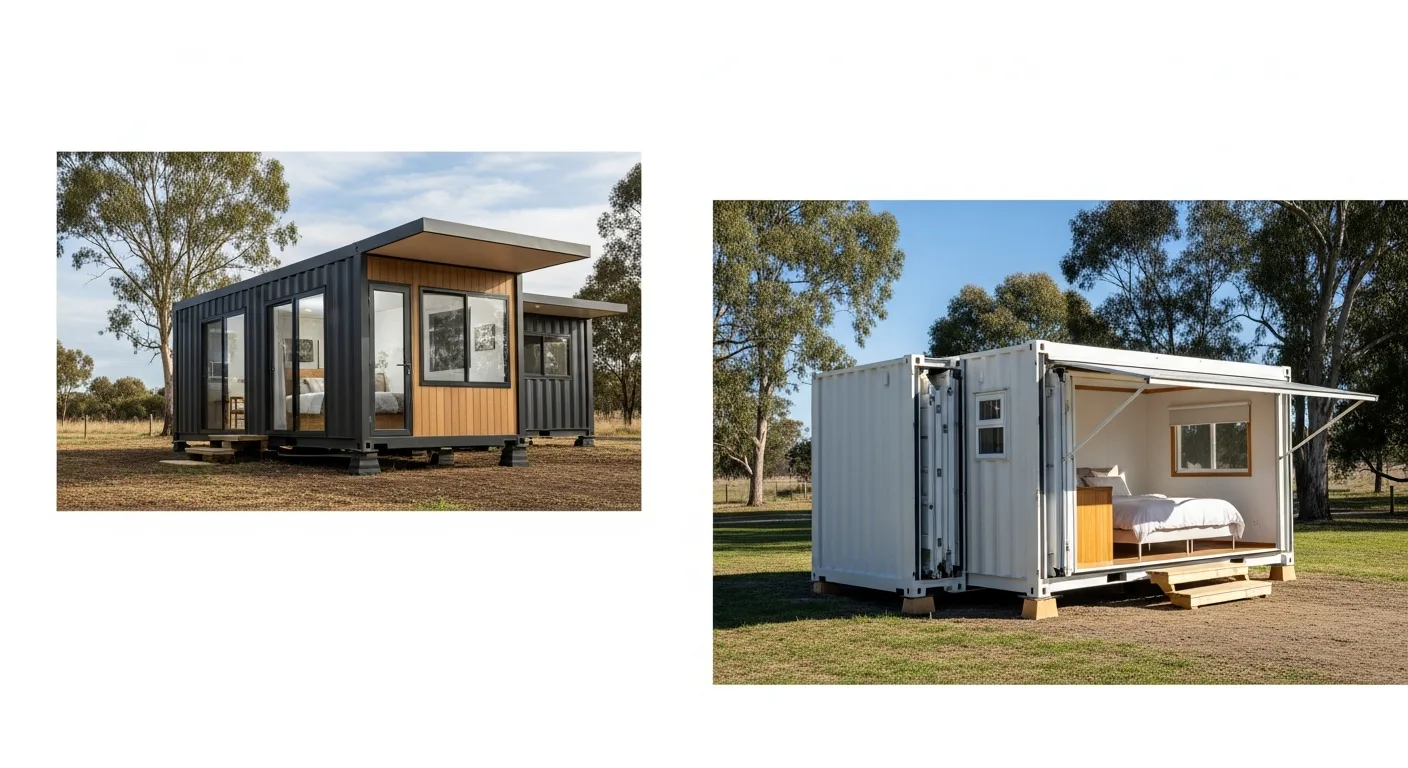
Collapsible container homes take the concept of modular living to the next level by offering designs that can be easily folded or disassembled for transport. These homes are ideal for temporary housing, vacation getaways, or situations where mobility is key. Made from lightweight yet durable materials, collapsible containers can be set up quickly, reducing labor costs and installation time. They often feature hinged walls or telescopic frames that expand when deployed, providing more interior space than traditional fixed containers. When considering two story shipping container homes, collapsible options can be stacked or combined to create multi-level structures without permanent foundations, adding versatility to your design.
- Easy Transport: Foldable design simplifies moving and relocation.
- Quick Assembly: Reduces construction time and on-site labor.
- Adaptability: Suitable for various terrains and climates.
- Cost Savings: Lower shipping and handling expenses.
- Minimal Site Impact: Less disruption to natural surroundings during setup.
House Plans for Shipping Container Homes
Developing house plans for shipping container homes requires careful planning to ensure functionality and compliance with local regulations. Start by sketching a layout that includes key areas: bedrooms, bathrooms, kitchen, and living spaces. For a 2 bedroom container home, consider using at least two 40ft containers or multiple 20ft units arranged in an L-shape or stacked configuration. It’s crucial to account for structural modifications, such as cutting openings for doors and windows, while reinforcing the container’s integrity. Consulting with architects or builders experienced in custom home building can help you navigate zoning laws and obtain necessary permits. Additionally, integrate utilities like plumbing and electrical systems early in the design phase to avoid costly revisions later.
| Container Type | Dimensions (LxWxH) | Best Use for 2 Bedroom Homes | Estimated Cost Range |
|---|---|---|---|
| 20ft Container | 20′ x 8′ x 8.5′ | Compact layouts or additional rooms | $2,000 – $5,000 |
| 40ft Container | 40′ x 8′ x 8.5′ | Primary living spaces | $3,000 – $8,000 |
| High Cube Container | 40′ x 8′ x 9.5′ | Lofts or elevated ceilings | $4,000 – $10,000 |
| Collapsible Container | Varies | Portable or temporary setups | $5,000 – $15,000 |
Key Considerations for Building Your Container Home
Before diving into construction, it’s essential to address several practical aspects to ensure a successful project. First, check local building codes and zoning regulations, as some areas may have restrictions on container homes or require specific permits. Next, focus on insulation and ventilation to combat condensation and maintain comfortable indoor temperatures—steel containers can heat up quickly in summer and cool down in winter. For home HVAC essentials, consider installing efficient systems tailored to your climate. Additionally, plan for utilities like water and electricity, which may involve connecting to municipal services or setting up off-grid solutions like solar panels. Lastly, budget for unexpected costs, such as site preparation or custom modifications, to avoid financial surprises.
- Legal Compliance: Research permits and zoning laws in your area.
- Insulation: Use spray foam or panel insulation to regulate temperature.
- Ventilation: Install windows, vents, or mechanical systems for air flow.
- Utilities: Plan for plumbing, electrical, and waste management early.
- Budgeting: Allocate funds for contingencies and professional services.
FAQs About 2 Bedroom Container Homes
What is the average cost of a 2 bedroom container home?
The average cost ranges from $20,000 to $100,000, depending on factors like container size, design complexity, and location. Basic models using used containers and DIY finishes tend to be cheaper, while custom designs with high-end amenities can reach higher price points.
Are collapsible container homes durable?
Yes, collapsible container homes are built with durable materials like steel or aluminum, designed to withstand transport and regular use. However, their longevity depends on proper maintenance and quality of construction, so choose reputable manufacturers.
Can I build a 2 bedroom container home myself?
While DIY construction is possible, it requires skills in welding, carpentry, and plumbing. For complex projects, hiring professionals ensures safety and compliance with building codes, as outlined in our DIY home repairs guide.
How long does it take to build a container home?
Construction time varies from a few weeks to several months. Prefabricated or collapsible models can be assembled quickly, while custom builds may take longer due to design revisions and permit approvals.
Are container homes energy efficient?
With proper insulation and energy-efficient systems, container homes can be highly energy efficient. Adding features like solar panels or green roofs enhances sustainability, similar to tips in our home water treatment article for eco-friendly living.
What are the common challenges with container homes?
Common challenges include rust prevention, insulation issues, and navigating building regulations. Regular maintenance and thorough planning can mitigate these risks.
Can I add a second story to a container home?
Yes, stacking containers allows for multi-story designs. Ensure structural reinforcement and consult engineers to meet safety standards, as explored in our piece on modern container homes.
Are container homes suitable for cold climates?
With adequate insulation and heating systems, container homes can be adapted for cold climates. Use thermal breaks and double-glazed windows to retain heat effectively.