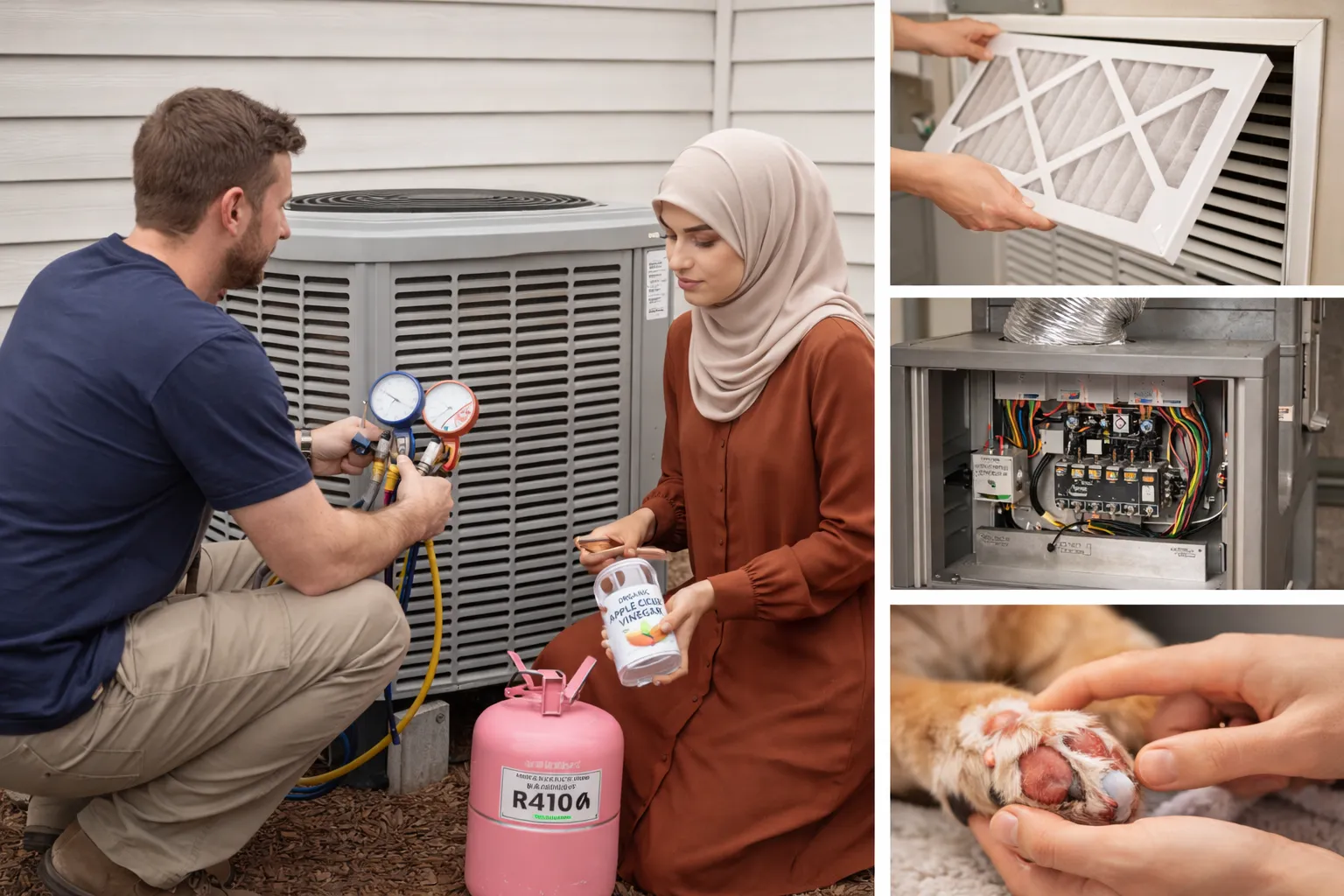
Your home’s heating, ventilation, and air conditioning (HVAC) system is the unsung hero of comfort, quietly working to keep you warm in winter and cool in summer. But when something goes wrong—like a freon leak in your AC or a clogged filter in your furnace—it can turn into a costly headache. Understanding the basics of HVAC components, from freon for home AC units to electric furnaces for mobile homes, empowers you to maintain efficiency, save money, and ensure safety. Whether you’re a homeowner in a traditional house or a mobile home resident, this guide covers everything you need to know about mobile home furnace filters, ductwork, and more. For broader home maintenance insights, check out our guide to whole home upgrades.
Freon (or refrigerant) is essential for cooling in home AC units, but leaks require professional repair. Electric furnaces are efficient for mobile homes, using heating elements instead of gas. Regular replacement of mobile home furnace filters (every 1-3 months) and proper ductwork maintenance prevent issues and improve air quality.
Understanding Freon for Home AC Units
Freon, often used as a generic term for refrigerants like R-22 or R-410A, is the lifeblood of your air conditioning system. It circulates through coils, absorbing heat from indoor air and releasing it outside, keeping your home cool. However, freon doesn’t get “used up”; if your AC is low on freon, it’s likely due to a leak that needs immediate attention. Ignoring this can lead to reduced cooling, higher energy bills, and compressor failure. For related home safety tips, see our article on testing air quality and fire safety.
- Signs of low freon: Warm air blowing from vents, ice on coils, hissing noises.
- Common causes: Corrosion, poor installation, or physical damage to lines.
- Environmental impact: Older R-22 freon is being phased out due to ozone depletion.
Electric Furnaces for Mobile Homes
Electric furnaces are a popular choice for mobile homes due to their safety, efficiency, and ease of installation. Unlike gas furnaces, they use electric heating elements to warm air, which is then distributed through ductwork. They’re ideal for areas without natural gas lines and offer consistent heat. However, they can be more expensive to operate in regions with high electricity costs. When considering an electric furnace for your mobile home, factor in size, energy efficiency ratings, and compatibility with your existing system. For more on mobile home systems, explore our guide to mobile home heating.
- Advantages: No combustion risks, quiet operation, lower upfront costs.
- Disadvantages: Higher operational costs in some areas, slower heating than gas.
- Maintenance tips: Annual inspections, cleaning of components, and thermostat checks.
Mobile Home Furnace Filters: Types and Replacement
Furnace filters are crucial for trapping dust, pollen, and debris, protecting your HVAC system and improving indoor air quality. In mobile homes, filters are typically located in the return air duct or near the furnace. Using the right type and replacing them regularly—every 1 to 3 months—prevents clogs that reduce airflow and strain the system. For pet owners, frequent changes are even more important to manage dander and odors. Learn about pet health solutions that complement clean air efforts.
| Filter Type | MERV Rating | Lifespan | Best For |
|---|---|---|---|
| Fiberglass | 1-4 | 1 month | Basic protection, low cost |
| Pleated | 5-13 | 3 months | Allergies, better filtration |
| HEPA | 14+ | 6-12 months | Asthma, high air quality |
Mobile Home Ductwork: Design and Maintenance
Ductwork in mobile homes is often compact and may use flexible ducts, which require careful maintenance to avoid leaks and inefficiencies. Properly sealed and insulated ducts ensure that heated or cooled air reaches all rooms evenly, reducing energy waste. Common issues include disconnected joints, tears, or poor insulation, leading to hot or cold spots. Regular inspections and cleaning every 3-5 years can prevent these problems. For more on home infrastructure, read our guide to mobile home foundations.
- Inspection tips: Check for visible damage, listen for whistling sounds, feel for air leaks.
- Sealing methods: Use mastic sealant or metal tape—avoid duct tape.
- Insulation benefits: Prevents heat loss in winter and keeps cool air in summer.
HVAC Maintenance Checklist for Homeowners
Regular maintenance extends the life of your HVAC system and keeps it running efficiently. Create a seasonal schedule to address key tasks, from filter changes to professional tune-ups. This proactive approach can save you up to 15% on energy bills and prevent costly repairs. For broader home care strategies, consider our home emergency preparedness guide.
- Monthly: Check and replace filters as needed.
- Seasonal: Clean outdoor AC units, inspect ductwork, test thermostats.
- Annual: Schedule professional HVAC inspections for freon levels and furnace safety.
Frequently Asked Questions
How often should I recharge freon in my home AC unit?
Freon should not need recharging unless there’s a leak. If your AC is low on freon, a professional must find and repair the leak before adding more. Regular maintenance can detect issues early.
Are electric furnaces safe for mobile homes?
Yes, electric furnaces are generally safe for mobile homes as they don’t involve combustion, reducing fire and carbon monoxide risks. Ensure proper installation and regular checks for electrical safety.
What size furnace filter do I need for my mobile home?
Check your furnace manual or measure the existing filter slot. Common sizes are 16x20x1 inches or 20x25x1 inches. Using the wrong size can cause airflow problems.
How can I improve mobile home ductwork efficiency?
Seal leaks with mastic sealant, insulate ducts in unconditioned spaces, and ensure vents are unobstructed. Consider professional duct testing for hidden issues.
Can I replace freon myself in my AC unit?
No, handling freon requires EPA certification due to environmental regulations. DIY attempts can be dangerous and illegal. Always hire a licensed HVAC technician.
What are the signs of a failing electric furnace?
Look for weak airflow, unusual noises, frequent cycling, or higher energy bills. These may indicate issues with heating elements, blowers, or thermostats that need professional attention.
How do mobile home furnace filters affect air quality?
Clean filters trap allergens and pollutants, improving indoor air quality. Clogged filters reduce airflow and can recirculate dust, worsening allergies or respiratory issues.
Is duct cleaning necessary for mobile homes?
Yes, every 3-5 years or if you notice dust buildup, mold, or pests. Professional cleaning removes debris that can hinder efficiency and air quality.
Frequently Asked Questions
How often should I recharge freon in my home AC unit?
Freon should not need recharging unless there’s a leak. If your AC is low on freon, a professional must find and repair the leak before adding more. Regular maintenance can detect issues early.
Are electric furnaces safe for mobile homes?
Yes, electric furnaces are generally safe for mobile homes as they don’t involve combustion, reducing fire and carbon monoxide risks. Ensure proper installation and regular checks for electrical safety.
What size furnace filter do I need for my mobile home?
Check your furnace manual or measure the existing filter slot. Common sizes are 16x20x1 inches or 20x25x1 inches. Using the wrong size can cause airflow problems.
How can I improve mobile home ductwork efficiency?
Seal leaks with mastic sealant, insulate ducts in unconditioned spaces, and ensure vents are unobstructed. Consider professional duct testing for hidden issues.
Can I replace freon myself in my AC unit?
No, handling freon requires EPA certification due to environmental regulations. DIY attempts can be dangerous and illegal. Always hire a licensed HVAC technician.
What are the signs of a failing electric furnace?
Look for weak airflow, unusual noises, frequent cycling, or higher energy bills. These may indicate issues with heating elements, blowers, or thermostats that need professional attention.
How do mobile home furnace filters affect air quality?
Clean filters trap allergens and pollutants, improving indoor air quality. Clogged filters reduce airflow and can recirculate dust, worsening allergies or respiratory issues.
Is duct cleaning necessary for mobile homes?
Yes, every 3-5 years or if you notice dust buildup, mold, or pests. Professional cleaning removes debris that can hinder efficiency and air quality.