Upgrading your home security is a smart move to protect your family and property, but with so many options like cameras, alarms, and window tinting, it can feel overwhelming. Whether you’re dealing with a 4 camera home security system setup or troubleshooting why home fire alarms keep going off, this guide breaks down the essentials. From boosting surveillance to enhancing privacy, we’ll cover practical steps to fortify your home, including the often-debated disadvantages of home window tinting. By the end, you’ll have a clear plan to implement effective upgrades that fit your needs and budget.
To upgrade home security, start by installing a 4-camera system for comprehensive coverage, ensure fire alarms are properly maintained to prevent false alarms, and consider window tinting for privacy and UV protection, but weigh its potential drawbacks like reduced visibility and installation costs.
Choosing the Right Security Cameras for Your Home
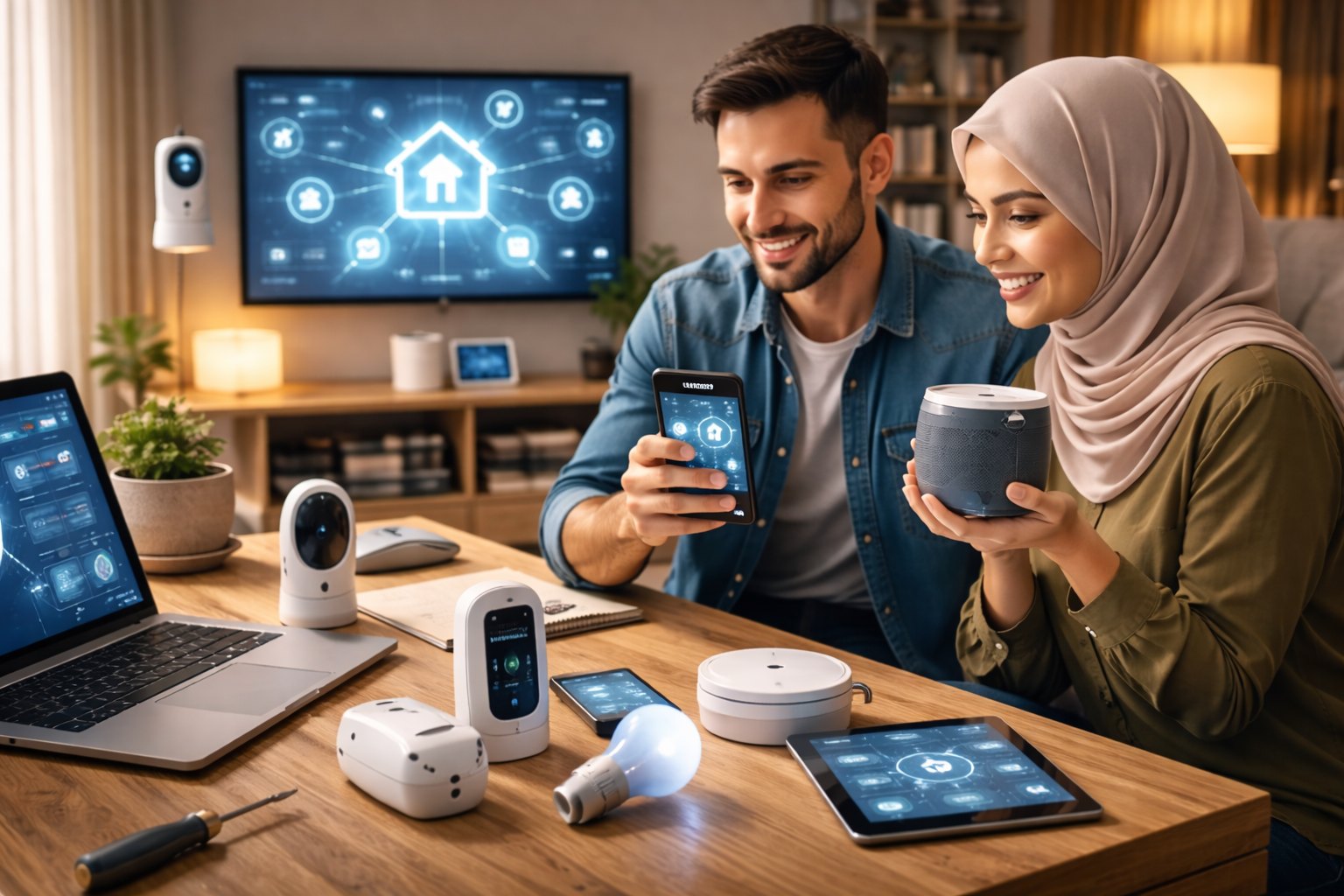
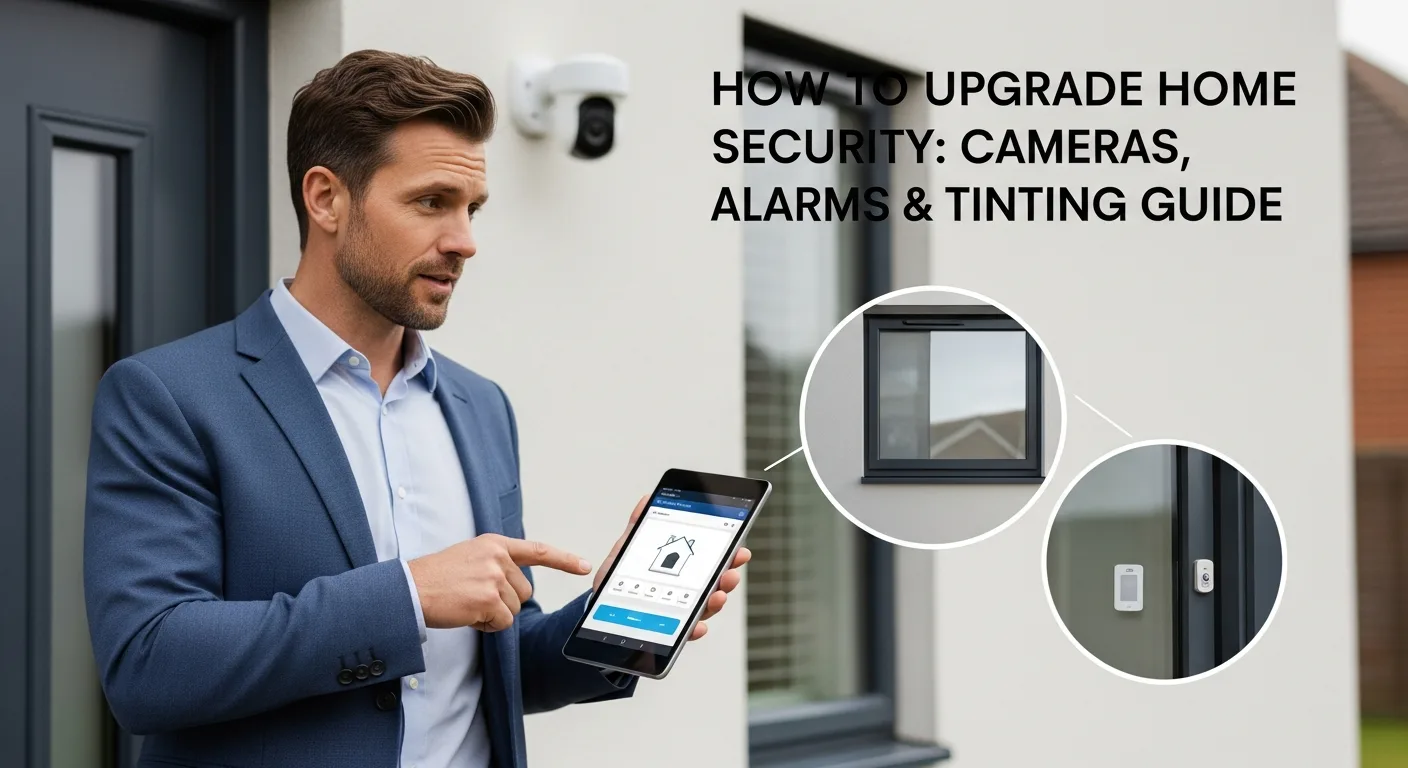
Security cameras are a cornerstone of modern home protection, offering real-time monitoring and deterrence. When selecting cameras, consider factors like resolution, field of view, and connectivity. A 4 camera home security system is ideal for most homes, providing coverage of key areas like entrances, driveways, and backyards. For example, place one camera at the front door, another at the back door, and two covering side yards or garages. This setup ensures no blind spots, enhancing overall safety. Additionally, integrating cameras with smart home systems allows for remote access via apps, so you can check footage anytime. If you’re new to home tech, our guide on smart home networking can help with setup and troubleshooting.
Installing and Maintaining Home Alarm Systems
Alarm systems, including burglar and fire alarms, are critical for early threat detection. Start by assessing your home’s layout to determine sensor placement—common spots include doors, windows, and hallways. For fire alarms, ensure they’re installed on every level and near bedrooms. If your home fire alarms keep going off, it might be due to dust buildup, low batteries, or environmental factors like steam from showers. Regular maintenance, such as cleaning sensors and testing monthly, can prevent false alarms. Upgrading to interconnected alarms ensures all units sound simultaneously, improving response time. For more on alarm systems, check out our DSC home alarm system guide, which covers installation and safety tips.
Pros and Cons of Home Window Tinting
Window tinting adds an extra layer of security by enhancing privacy and reducing glare, but it’s important to understand its limitations. Here are key points to consider:
- Advantages: Improved privacy from outsiders, reduced UV exposure to protect interiors, and potential energy savings by blocking heat.
- Disadvantages of home window tinting: Can reduce natural light and visibility, may require professional installation to avoid bubbles or peeling, and some tints might not comply with local regulations.
When choosing tint, opt for high-quality films designed for security, which can also help hold glass together during break-ins. However, weigh these benefits against costs and any impact on home aesthetics. For related upgrades, our article on home security fundamentals discusses physical measures like tinting in more detail.
Step-by-Step Guide to Upgrading Your Security System
Follow this actionable plan to enhance your home security effectively:
- Assess Your Needs: Identify vulnerable areas in your home, such as unlit entry points or outdated alarms.
- Research Products: Compare cameras, alarms, and tinting options based on features, reviews, and budget.
- Install Cameras: Set up a 4-camera system, ensuring proper angles and Wi-Fi connectivity.
- Test Alarms: Regularly check fire and burglar alarms to prevent malfunctions.
- Apply Window Tinting: Hire a professional or DIY with care, considering local codes.
- Integrate Systems: Use smart hubs to link cameras and alarms for centralized control.
This approach ensures a comprehensive upgrade without overspending. For more DIY tips, explore our home repairs guide for skirting and walls.
Comparing Security Upgrade Options
To help you decide, here’s a comparison of common security upgrades:
| Upgrade Type | Key Features | Average Cost | Best For |
|---|---|---|---|
| 4-Camera System | HD video, night vision, app access | $200-$500 | Comprehensive surveillance |
| Fire Alarms | Smoke detection, interconnectivity | $20-$50 per unit | Early fire warning |
| Window Tinting | Privacy, UV protection, security film | $5-$15 per sq ft | Enhanced privacy and safety |
This table highlights cost-effective ways to boost security based on your priorities.
Common Mistakes to Avoid When Upgrading
When learning how to upgrade home security, steer clear of these pitfalls:
- Neglecting Maintenance: Ignoring alarm tests or camera updates can lead to failures.
- Overlooking Entry Points: Focusing only on front doors while forgetting windows or garages.
- Choosing Cheap Tinting: Low-quality films may peel or reduce visibility, compromising safety.
- Ignoring Local Laws: Some areas have rules on camera placement or tint darkness.
By avoiding these errors, you’ll ensure a reliable security setup. For broader safety insights, our air quality and fire safety guide ties into home protection.
FAQs on Home Security Upgrades
What are the benefits of a 4-camera home security system?
A 4-camera system provides wide coverage, reducing blind spots and deterring intruders by monitoring multiple areas like entrances and yards simultaneously.
How can I stop my home fire alarms from going off falsely?
Clean the sensors regularly, replace batteries annually, and avoid installing alarms near kitchens or bathrooms to minimize false triggers from steam or cooking smoke.
What are the main disadvantages of home window tinting?
Key drawbacks include reduced natural light, potential visibility issues at night, and higher costs for professional installation to ensure durability and compliance.
Is it worth upgrading to smart security cameras?
Yes, smart cameras offer remote access, motion alerts, and integration with other devices, making them a valuable upgrade for real-time monitoring and convenience.
How often should I test my home security alarms?
Test fire and burglar alarms monthly to ensure they’re functioning properly, and replace batteries or units as recommended by the manufacturer.
Can window tinting improve energy efficiency?
Yes, by blocking UV rays and heat, tinting can reduce cooling costs in summer, though the savings vary based on climate and film quality.
What’s the best placement for security cameras?
Install cameras at eye level on entrances, covering driveways and backyards, and ensure they’re protected from weather and tampering for optimal performance.