Securing your home is a top priority for any homeowner, blending physical barriers with smart technology to create a comprehensive defense. While many focus on high-tech solutions, understanding the core physical security measures—and what doesn’t qualify—is crucial for building a robust protection plan. This guide dives into the essentials of home security, from locks and lighting to advanced systems, helping you distinguish between physical and non-physical safeguards. Whether you’re a first-time buyer or looking to upgrade your current setup, mastering these fundamentals ensures your home remains a safe haven against potential threats.
A physical security measure for your home involves tangible barriers or devices that physically prevent or deter unauthorized access, such as locks, fences, or security cameras. What is not a physical security measure includes intangible elements like cybersecurity software, insurance policies, or neighborhood watch programs, which don’t create a physical barrier but support security in other ways.
What Are Physical Security Measures?
Physical security measures are tangible, physical barriers or devices designed to protect your home from intruders, theft, or damage. These measures directly interact with the physical environment to prevent unauthorized entry or access. Common examples include sturdy doors, window locks, security gates, and outdoor lighting. Unlike digital or procedural safeguards, physical measures create a visible and immediate deterrent, making it harder for threats to penetrate your property. For instance, installing a robust deadbolt or reinforcing entry points are classic physical security steps that enhance your home’s structural integrity. If you’re planning renovations, consider how fixing foundation cracks can also contribute to overall safety by maintaining a solid base.
- Doors and locks: High-quality deadbolts, strike plates, and reinforced frames.
- Windows: Security bars, laminated glass, or lock upgrades.
- Fences and gates: Perimeter barriers that control access points.
- Lighting: Motion-activated or timed lights to illuminate dark areas.
- Security cameras: Visible surveillance devices that monitor entryways.
What Is Not a Physical Security Measure?
Understanding what is not a physical security measure helps clarify the boundaries of home protection. Non-physical measures include intangible or procedural elements that support security but don’t create a physical barrier. For example, cybersecurity software protects digital assets but doesn’t physically block entry, while insurance policies provide financial coverage without deterring intruders. Other examples are alarm monitoring services that rely on communication networks or neighborhood watch programs that depend on community vigilance. These are essential components of a holistic security strategy, but they complement rather than replace physical safeguards. When setting up a smart home, integrating both physical and non-physical elements, as discussed in our smart home setup guide, ensures comprehensive coverage.
- Cybersecurity tools: Firewalls, antivirus software, or password managers.
- Insurance policies: Homeowners or renters insurance for financial protection.
- Procedural measures: Security protocols like key management or access logs.
- Community-based programs: Neighborhood watch or crime prevention initiatives.
- Legal documents: Deeds or contracts that establish ownership rights.
Key Physical Security Systems for Your Home
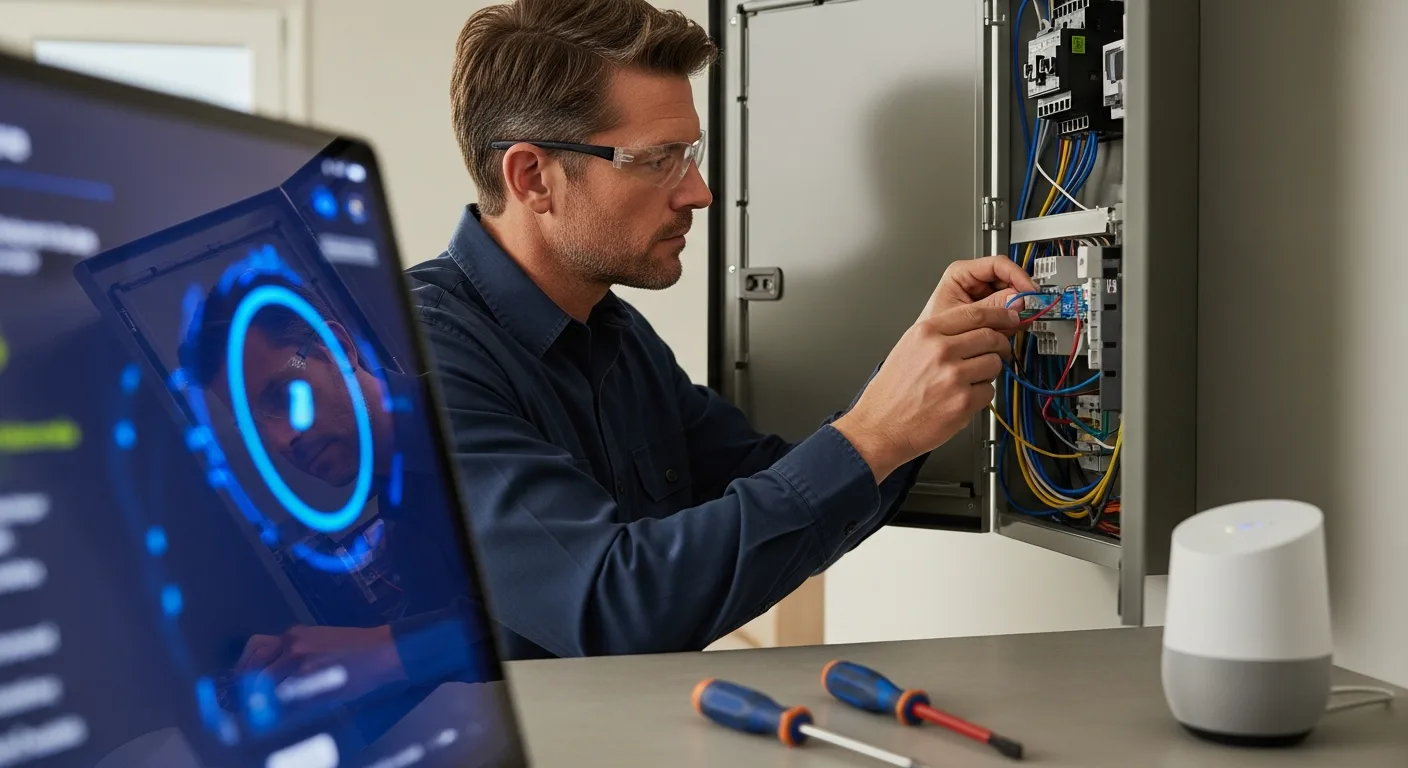
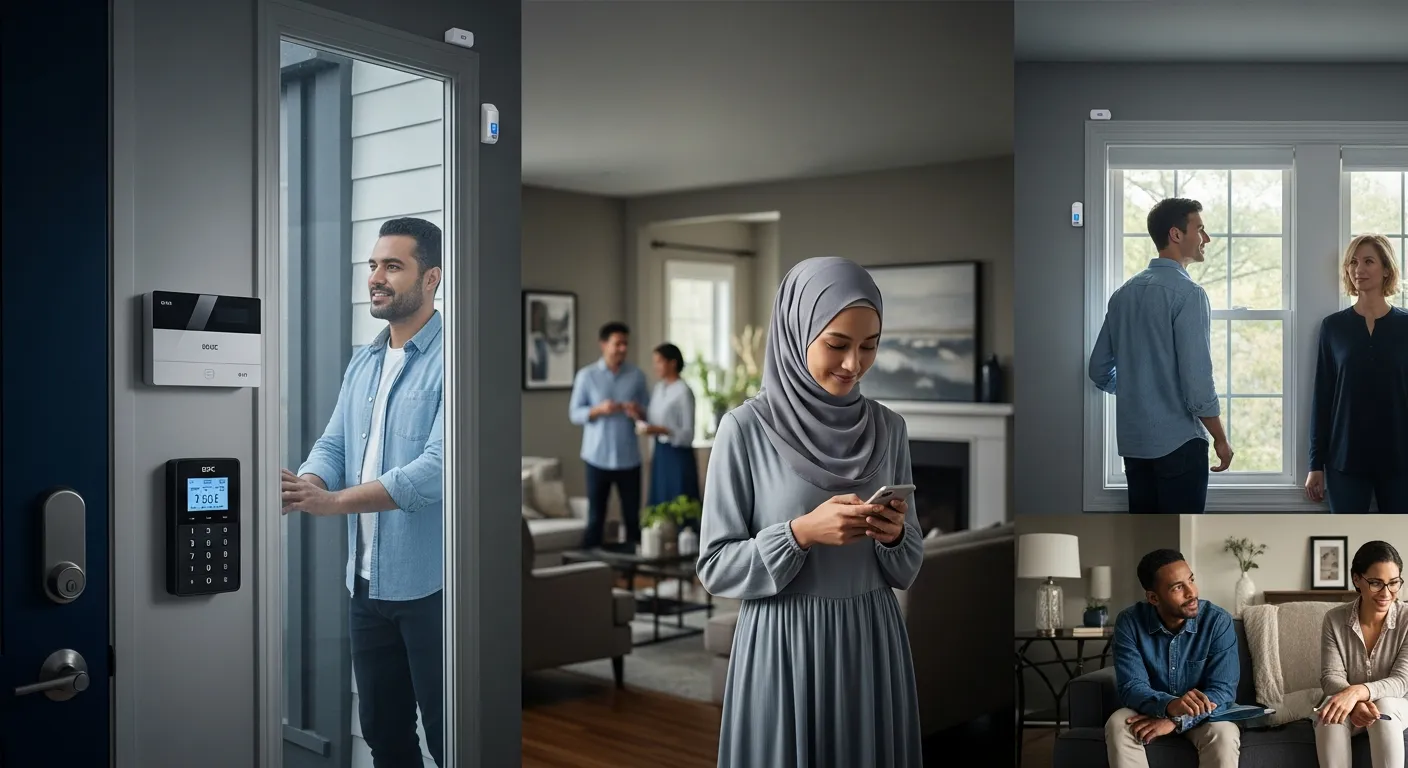
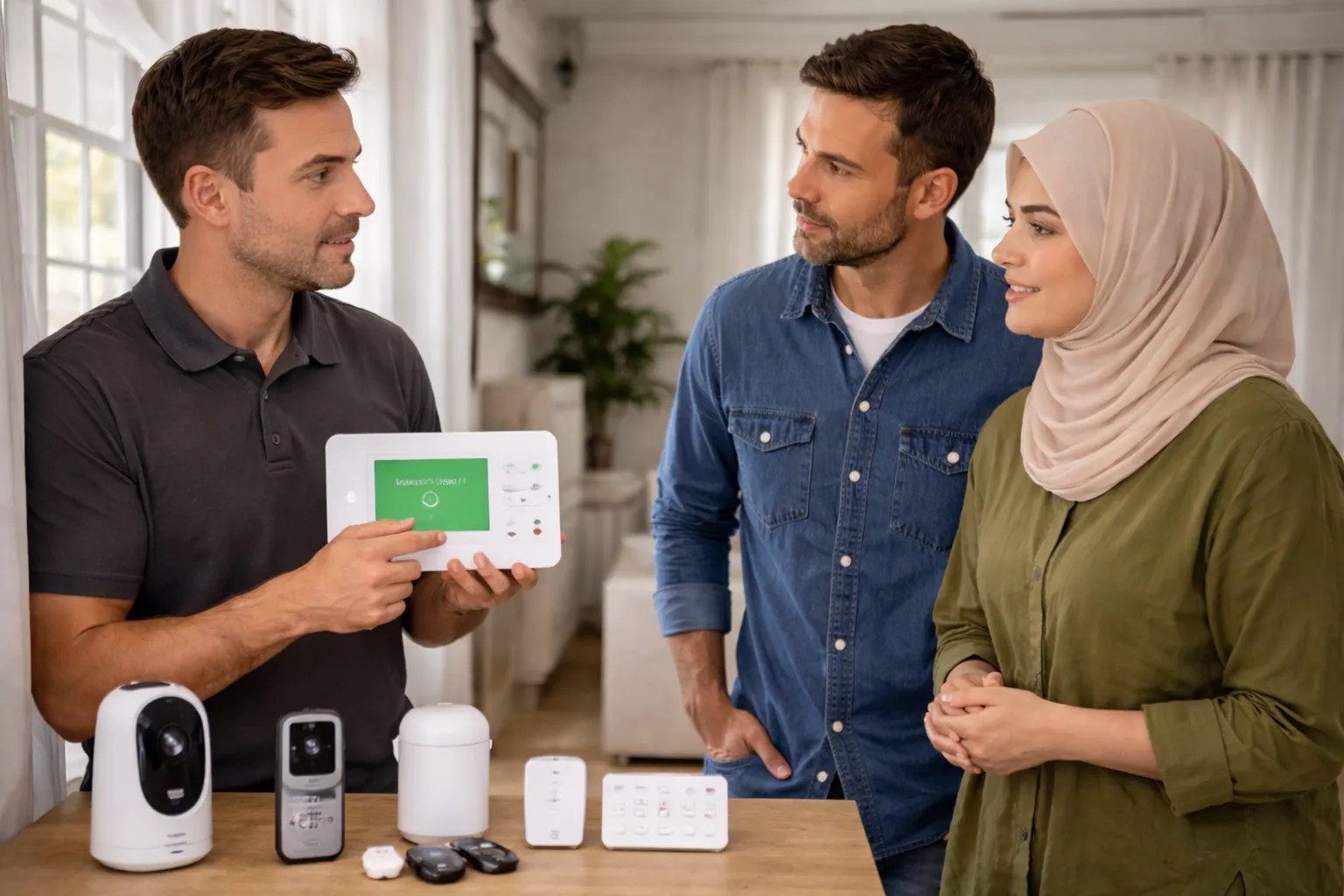
Investing in reliable physical security systems can significantly enhance your home’s safety. These systems combine hardware and technology to create layered defenses, from basic locks to advanced surveillance. Popular options include alarm systems with sensors, video doorbells, and smart locks that offer remote control. For those considering a comprehensive solution, Alliance Home Security provides integrated packages with professional monitoring and physical installations. When choosing a system, assess factors like coverage area, ease of use, and integration with other home features. For example, in a compact space like a 2 bedroom tiny home, optimizing security without sacrificing layout is key.
| System Type | Physical Components | Key Benefits |
|---|---|---|
| Alarm Systems | Sensors, control panels, sirens | Deters intruders with audible alerts |
| Surveillance Cameras | Cameras, mounts, wiring | Provides visual monitoring and evidence |
| Smart Locks | Electronic locks, keypads | Enables remote access and tracking |
| Lighting Systems | Fixtures, motion detectors | Illuminates dark areas to prevent hiding spots |
Integrating Physical and Non-Physical Measures
A balanced home security approach integrates both physical and non-physical measures for maximum effectiveness. Physical barriers like locks and cameras form the first line of defense, while non-physical elements such as insurance and emergency plans provide backup and recovery options. For instance, after securing entry points, develop a home emergency preparedness plan to handle crises like power outages or natural disasters. This combination ensures that if a physical measure fails, you have procedural safeguards in place. Regularly review and update both types to adapt to new threats or changes in your home environment.
- Combine locks with cybersecurity for digital asset protection.
- Use insurance to cover losses from theft or damage.
- Implement access logs alongside physical key controls.
- Train family members on security protocols and emergency responses.
- Schedule routine maintenance for both physical devices and software updates.
FAQs: People Also Ask
What is the difference between physical and cybersecurity for homes?
Physical security involves tangible barriers like locks and cameras to prevent unauthorized physical access, while cybersecurity protects digital assets such as smart devices and networks from online threats. Both are essential for modern home safety but address different types of risks.
How does Alliance Home Security enhance physical protection?
Alliance Home Security offers integrated systems with physical components like sensors and cameras, combined with professional monitoring services. This enhances protection by providing real-time alerts and physical deterrents, making it a comprehensive solution for homeowners.
Can insurance replace physical security measures?
No, insurance cannot replace physical security measures. Insurance provides financial compensation after an incident, but physical measures actively prevent or deter threats. A balanced approach uses both to minimize risks and cover potential losses.
What are common mistakes in home physical security?
Common mistakes include relying solely on non-physical measures, neglecting maintenance of locks or cameras, and poor lighting around entry points. Regularly assess and upgrade physical barriers to avoid vulnerabilities.
How do I choose the right physical security system?
Consider factors like your home’s size, budget, and specific risks. For larger homes, a multi-layered system with cameras and alarms may be best, while smaller spaces might benefit from smart locks and motion lights. Consulting with professionals can help tailor a solution.
Are smart home devices considered physical security measures?
Yes, smart home devices like smart locks or video doorbells are physical security measures because they involve tangible hardware that controls access or monitors entry points. However, they often integrate with non-physical software for enhanced functionality.
How often should I update my physical security measures?
Update physical security measures at least annually or whenever you notice wear, technological advancements, or changes in your home’s layout. Regular checks ensure devices remain effective against evolving threats.