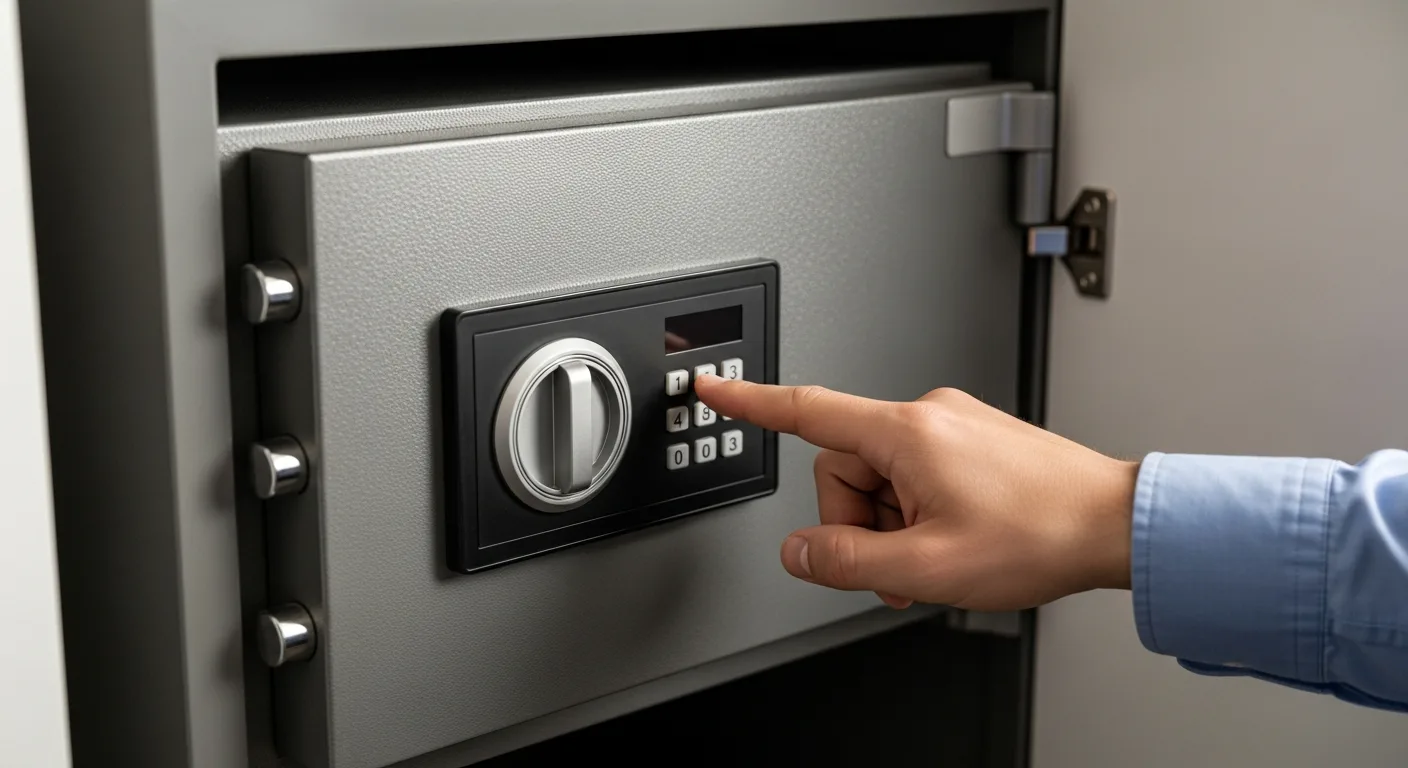
Why Every Man Needs a High-Security Home Safe
In 2026, protecting one’s physical assets is just as critical as securing digital data. Whether he is safeguarding family heirlooms, essential legal documents, or liquid capital, a man must ensure his valuables are shielded from both theft and environmental disasters. Choosing the best home safe is not merely about buying a metal box; it is about investing in a fortress for his most prized possessions.
A high-quality safe provides a final line of defense. Even if a perimeter is breached, a robust safe ensures that a burglar’s progress is halted. Furthermore, for those who prioritize specialized solutions for firearm protection, the integration of a heavy-duty safe into his household is a non-negotiable aspect of responsible ownership.
Understanding Fire Ratings and Burglary Protection
When he begins his search, he will encounter various ratings that determine how well a safe performs under pressure. It is vital to distinguish between a fire-resistant safe and a burglary-rated safe. A fire safe is designed to keep internal temperatures low during a blaze, protecting paper documents and digital media. However, these often use thinner steel, which a determined thief could easily penetrate.
To find the best home safe, he should look for a UL (Underwriters Laboratories) rating. A UL RSC (Residential Security Container) rating ensures the safe can withstand a concentrated attack for a specific duration. If he is storing high-value jewelry or significant amounts of cash, he should aim for a TL-15 or TL-30 rating, signifying the safe can resist professional tool attacks for 15 or 30 minutes, respectively.
The Importance of Steel Gauge
The thickness of the steel is a primary indicator of a safe’s quality. In the security industry, a lower gauge number indicates thicker steel. A premium safe should ideally feature at least a 10-gauge or 7-gauge steel body. Anything thinner, such as 14-gauge, can often be compromised with simple hand tools. He must ensure his choice features a massive, drill-resistant hard plate to protect the locking mechanism from sophisticated attacks.
Choosing the Right Locking Mechanism
The debate between traditional dial locks and modern electronic keypads continues in 2026. Each has its merits depending on his specific needs:
- Mechanical Dial Locks: Known for their extreme reliability. They do not require batteries and can last for decades. However, they are slower to open in an emergency.
- Electronic Keypads: Offer rapid access and the ability to change codes easily. He should look for “Type 1” electronic locks for maximum security.
- Biometric Scanners: The fastest way for him to access his belongings. Modern biometric safes use capacitive sensors that are far more reliable than older optical versions.
Integrating a high-end safe into his foundational security strategy ensures that he is prepared for any scenario, combining quick access with impenetrable construction.
Optimal Placement Strategies for Maximum Security
A safe is only effective if it remains where he put it. The best home safe should always be bolted to a concrete slab. Even a 500-pound safe can be moved by two determined men with a heavy-duty dolly. By using high-grade anchor bolts, he ensures that the safe cannot be removed from the premises to be opened later at a thief’s leisure.
Discretion is his best friend. He should avoid placing the safe in the master bedroom closet, as this is the first place a burglar will check. Instead, he might consider a reinforced basement corner or a hidden floor joist. The goal is to make the safe as difficult to find as it is to open.
Frequently Asked Questions
What is the best fire rating for a home safe?
He should look for a safe with at least a 1-hour fire rating at 1700°F. This ensures that the internal temperature stays below the point where paper chars (350°F) during a standard house fire.
Are biometric safes reliable in 2026?
Yes, modern biometric technology has advanced significantly. High-end models now feature 3D fingerprint mapping, making them highly reliable for a man who needs instant access to his contents without fumbling with a dial.
Should I buy a floor safe or a wall safe?
It depends on his priorities. A floor safe is easier to conceal and offers excellent fire protection because it is surrounded by concrete. A wall safe is better for frequent access to smaller items but generally offers less depth and lower burglary ratings.
How much should a man spend on a quality safe?
For a safe that provides genuine protection against both fire and professional theft, he should expect to invest between $800 and $2,500. Lower-priced options are often just “lockboxes” that provide a false sense of security.