Water quality is a cornerstone of health and home maintenance, yet many homeowners overlook the impact of impurities, acidity, and contaminants in their water supply. From drinking water that tastes off to appliances that scale up with mineral deposits, poor water quality can lead to a host of issues. In this guide, we explore comprehensive water quality solutions, focusing on alkaline water filter systems for home use, inline water filters, and whole home water filtration. Whether you’re looking to enhance your drinking water with alkaline benefits or protect your entire household from contaminants, understanding these systems is key. We’ll also touch on specialized uses like deionized water for home car wash, ensuring you have the knowledge to make informed decisions for your home’s water needs.
An alkaline water filter system for home raises water’s pH to reduce acidity, often using ionizing filters, while inline water filters attach directly to plumbing for targeted filtration, and whole home systems treat all water entering the house. Deionized water, ideal for car washes, removes ions to prevent spots, and combining these solutions ensures comprehensive water quality improvement.
Understanding Alkaline Water Filter Systems
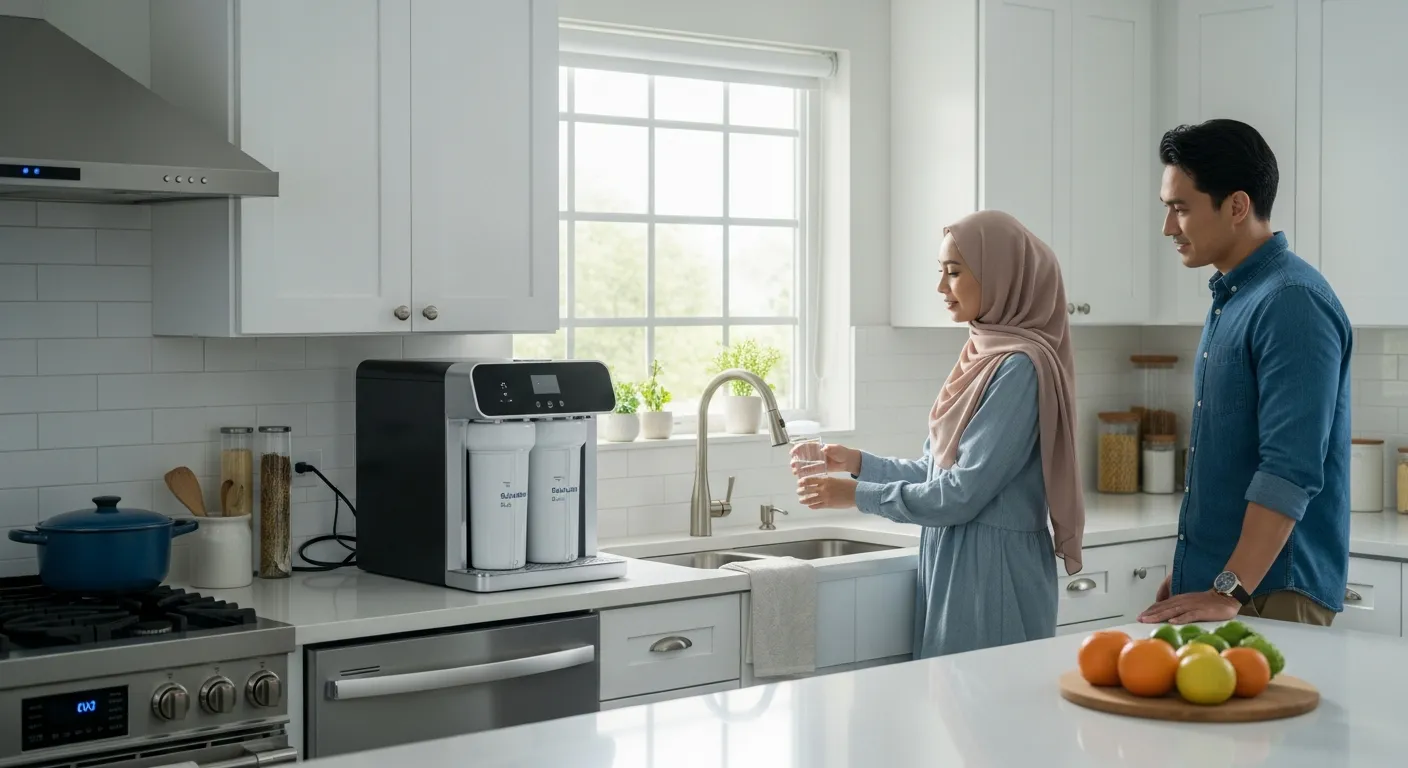
Alkaline water filter systems are designed to increase the pH level of water, making it less acidic and potentially offering health benefits like better hydration and antioxidant properties. These systems typically use ion exchange or electrolysis to produce alkaline water. For homeowners, installing an alkaline water filter system can be a game-changer, especially if you’re concerned about the acidity of your tap water. It’s important to note that while alkaline water is popular, it should be part of a broader water quality strategy. Consider pairing it with other filtration methods for optimal results. For more on home systems that enhance living spaces, check out our guide on smart home setup, which includes water monitoring devices.
Types of Water Filtration Systems for Home
When it comes to water filtration, there are several options to consider, each with its own strengths. Here’s a breakdown of common systems:
- Alkaline Water Filter Systems: Focus on pH adjustment, often combined with basic filtration.
- Inline Water Filters for Home: Installed directly into water lines, such as under sinks or for appliances, providing targeted purification.
- Whole Home Water Filtration Systems: Treat all water entering the house, removing contaminants like chlorine, sediments, and heavy metals.
- Reverse Osmosis Systems: Highly effective at removing a wide range of impurities, often used in conjunction with alkaline filters.
- UV Purifiers: Use ultraviolet light to kill bacteria and viruses, ideal for areas with microbial concerns.
Choosing the right system depends on your water quality test results and specific needs. For instance, if you have hard water, a whole home system might be necessary to prevent scale buildup in pipes and appliances. To learn more about maintaining home systems, explore our article on troubleshooting HVAC issues, which includes water-related components.
Benefits of Alkaline Water and Filtration
Investing in water quality solutions offers numerous advantages for your home and health. Alkaline water, in particular, is believed to neutralize acid in the bloodstream, boost metabolism, and improve hydration. However, it’s crucial to ensure that the water is also free from contaminants. Here are key benefits:
- Improved Health: Alkaline water may help with digestion and detoxification.
- Better Taste: Filtration removes chlorine and other chemicals, enhancing water flavor.
- Appliance Protection: Whole home systems reduce mineral deposits, extending the life of water heaters, washing machines, and more.
- Cost Savings: Reduced need for bottled water and fewer repairs due to scale damage.
- Environmental Impact: Less plastic waste from bottled water consumption.
For homes with specific water issues, such as high sediment levels, inline filters can be a cost-effective solution. If you’re also considering other home upgrades, our piece on whole home upgrades covers related topics like repiping.
Comparing Water Filtration Systems
To help you decide, here’s a comparison table of different water filtration systems:
| System Type | Best For | Cost Range | Maintenance |
|---|---|---|---|
| Alkaline Filter | pH adjustment, drinking water | $100-$500 | Filter changes every 6-12 months |
| Inline Filter | Targeted filtration, under sink | $50-$200 | Replace cartridges every 3-6 months |
| Whole Home System | Comprehensive contamination removal | $500-$3000 | Annual servicing, filter replacements |
| Reverse Osmosis | High purity, removal of dissolved solids | $200-$1000 | Membrane replacement every 2-3 years |
This table highlights that an alkaline water filter system for home is often more affordable but may need to be combined with other filters for full protection. For those dealing with hard water, a whole home system might be a better investment. To ensure your home’s overall efficiency, consider reading about efficient home plans that incorporate water-saving designs.
Specialized Uses: Deionized Water for Home Car Wash
Deionized water is a type of purified water that has had its mineral ions removed, making it ideal for applications where spotting is a concern, such as car washing. Using deionized water for home car wash ensures a streak-free finish without water spots, as it lacks the minerals that cause residue. You can produce deionized water with specific filtration systems or purchase it pre-made. Here’s how to incorporate it:
- DIY Deionization: Use a deionizing filter attached to your hose or water source.
- Benefits: Prevents spots on cars, windows, and appliances; extends the life of paint and finishes.
- Considerations: May require additional equipment, but it’s a worthwhile investment for car enthusiasts.
Integrating this into your home setup can enhance your car care routine. For more on home maintenance and DIY solutions, check out our guide on DIY home repairs.
Installation and Maintenance Tips
Proper installation and maintenance are crucial for the effectiveness of any water quality system. For alkaline water filter systems, follow manufacturer guidelines to ensure correct pH levels. Inline filters should be installed by a professional if you’re not comfortable with plumbing. Whole home systems often require more extensive setup. Here are key steps:
- Test Your Water: Identify contaminants and pH levels before choosing a system.
- Choose Location: Install alkaline filters at point-of-use (e.g., kitchen sink) and whole home systems at the main water entry.
- Regular Maintenance: Replace filters as recommended to prevent clogging and maintain performance.
- Monitor Performance: Use pH test strips for alkaline systems and check water clarity for filters.
Neglecting maintenance can lead to reduced efficiency and potential health risks. For insights into home safety and systems, read about home security fundamentals.
FAQs About Water Quality Solutions
What is an alkaline water filter system for home?
An alkaline water filter system for home is a device that raises the pH of water, making it less acidic, often through ionizing processes, and may include basic filtration to remove impurities.
How do inline water filters for home work?
Inline water filters for home are installed directly into water lines, using cartridges to trap contaminants like sediment, chlorine, and heavy metals, providing purified water at specific points.
Why use deionized water for home car wash?
Deionized water for home car wash removes mineral ions, preventing water spots and streaks on vehicles, resulting in a cleaner, shinier finish without residue.
What are the benefits of whole home water filtration?
Whole home water filtration systems treat all water entering your house, removing contaminants to improve health, protect appliances, and enhance water taste throughout the home.
Can I combine an alkaline filter with other systems?
Yes, combining an alkaline water filter system with other filters, like reverse osmosis, can provide both pH adjustment and comprehensive contamination removal for optimal water quality.
How often should I replace water filter cartridges?
Replace water filter cartridges every 3-12 months, depending on usage and manufacturer recommendations, to maintain effectiveness and prevent bacterial growth.
Is alkaline water safe for everyone to drink?
Alkaline water is generally safe for most people, but those with kidney issues or on certain medications should consult a doctor, as it can affect mineral balance.
What’s the cost of installing a whole home system?
Installing a whole home water filtration system typically costs between $500 and $3000, including equipment and professional installation, depending on system complexity.