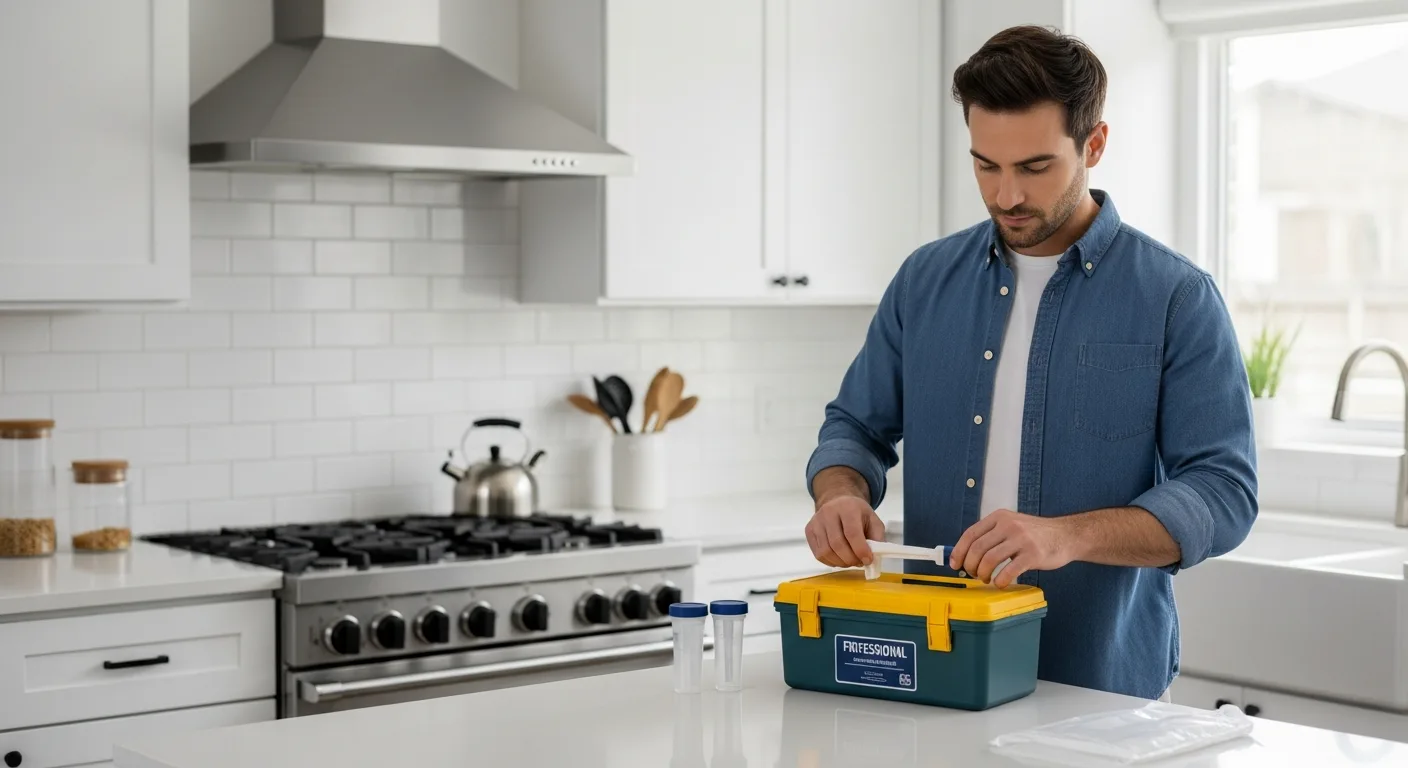
The Importance of Proactive Mold Detection
Maintaining a healthy living environment is a top priority for any homeowner. In 2026, the technology available for residential air quality monitoring has reached new heights, allowing a man to take control of his environment without always needing to call in expensive contractors immediately. Mold, an often invisible intruder, can silently compromise the structural integrity of a house and the health of its occupants. Identifying the presence of fungal spores early is essential for preventing long-term damage.
When a man notices a musty odor or sees suspicious spotting on his drywall, his first instinct should be to verify the situation. While professional inspections are valuable, the best home mold test kit provides an accessible first line of defense. These kits allow him to gather samples quickly and determine if he is dealing with common mildew or more hazardous varieties like Stachybotrys chartarum.
Types of Home Mold Test Kits Explained
Not all testing methods are created equal. Depending on the specific concerns a man has about his property, he may choose from several different testing modalities. Understanding the mechanics of each will help him make an informed decision.
- Settle Plates (Petri Dishes): This is the most common DIY method. He places a treated dish in a room for a set period, allowing gravity to bring airborne spores onto the medium.
- Tape and Swab Samples: These are used when visible mold is present. He can physically lift a sample from a surface to be sent to a lab for microscopic identification.
- Air Pump Testing: Often considered the gold standard for DIYers, these kits use a vacuum pump to pull a specific volume of air through a collection cassette. This provides a much more accurate snapshot of the spore concentration in his home.
When he explores the broader landscape of home health testing kits guide, he will realize that mold detection is a critical pillar of residential wellness, alongside water and soil testing.
Key Features to Look for in a Quality Kit
To ensure he is getting reliable data, a man should look for specific criteria before purchasing a kit. The most important factor is the inclusion of professional lab analysis. A kit that only offers a color change or a “grow-it-yourself” result without expert verification is often unreliable and can lead to unnecessary panic.
He should verify that the kit includes a prepaid shipping envelope and that the laboratory is AIHA-accredited. In 2026, the best kits also offer digital portals where he can view his results and receive a detailed breakdown of the specific mold species found. This level of detail is crucial for determining the next steps in his remediation strategy.
How to Conduct an Accurate Test
Accuracy depends heavily on the user’s technique. Before he begins, he must ensure that all windows and doors have been closed for at least 24 hours to allow the indoor air to stabilize. He should avoid testing during high-wind events or immediately after vacuuming, as these activities can artificially spike spore counts.
Much like a radon air quality inspection, mold testing requires a methodical approach to ensure the environment is truly safe for occupancy. He should take a control sample outdoors to compare against his indoor results. This comparison is the only way to know if the indoor spore count is abnormally high or simply reflective of the natural local environment.
Interpreting Your Lab Results
Once he receives his report, he may be confronted with technical terms and spore counts. A high-quality kit will provide a summary that explains what these numbers mean in plain English. If the report indicates high levels of toxigenic molds, he must transition from testing to remediation. He should look for indicators of “elevated” levels compared to the outdoor baseline he established during the testing phase.
Frequently Asked Questions
How long does it take to get mold test results?
Most high-quality kits offer a turnaround time of 3 to 7 business days once the lab receives the sample. Some premium services in 2026 offer expedited 24-hour reporting for an additional fee.
Do DIY mold kits detect all types of mold?
Yes, if the kit includes lab analysis, the mycologists can identify hundreds of different species. However, a simple settle plate without lab backing will only show that “something” is growing, which is not very helpful.
Can a mold test kit tell me the cause of the mold?
No, a test kit only confirms the presence and type of mold. A man must still investigate his plumbing, roof, and HVAC system to find the moisture source that is allowing the mold to thrive.
Is one test enough for a whole house?
Generally, no. He should ideally test each floor and any specific areas of concern, such as a basement or attic, to get a comprehensive view of his home’s health.