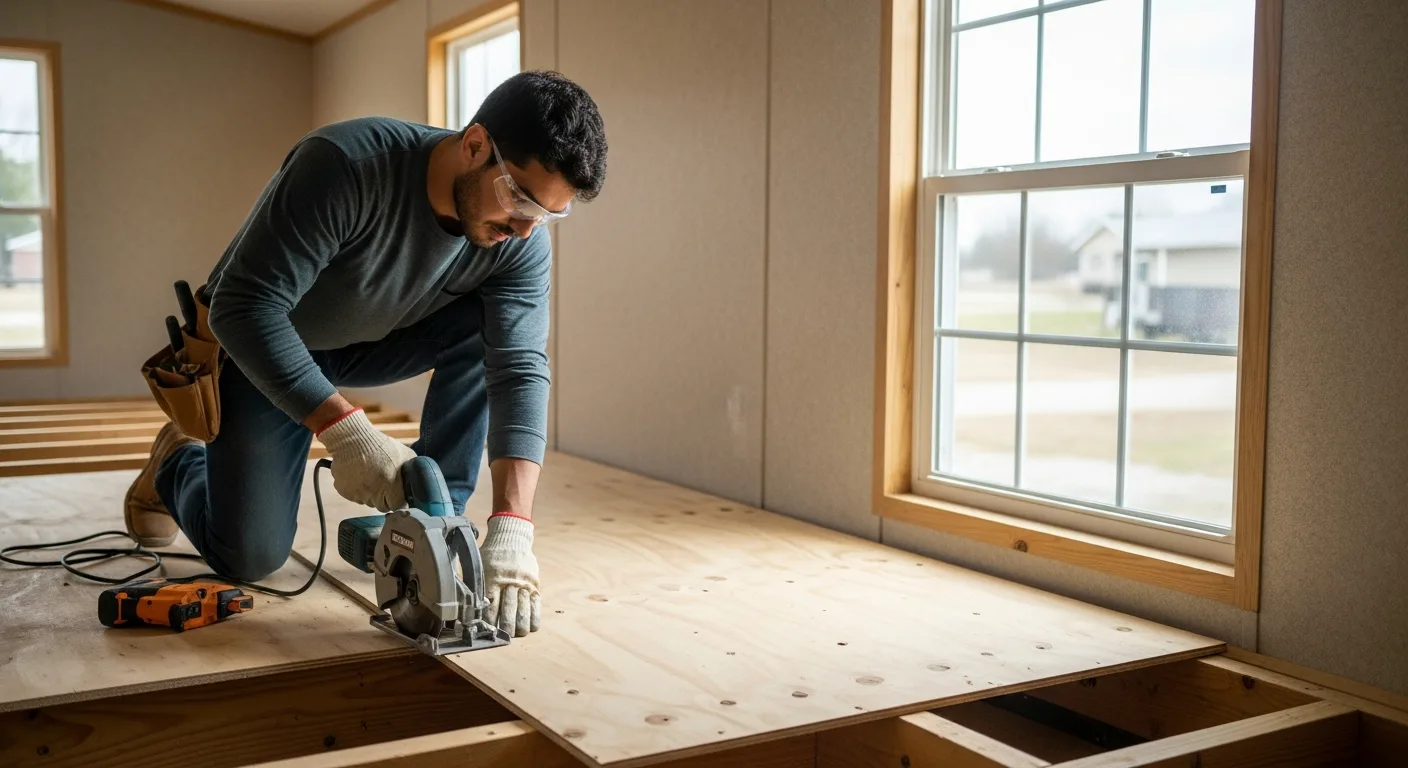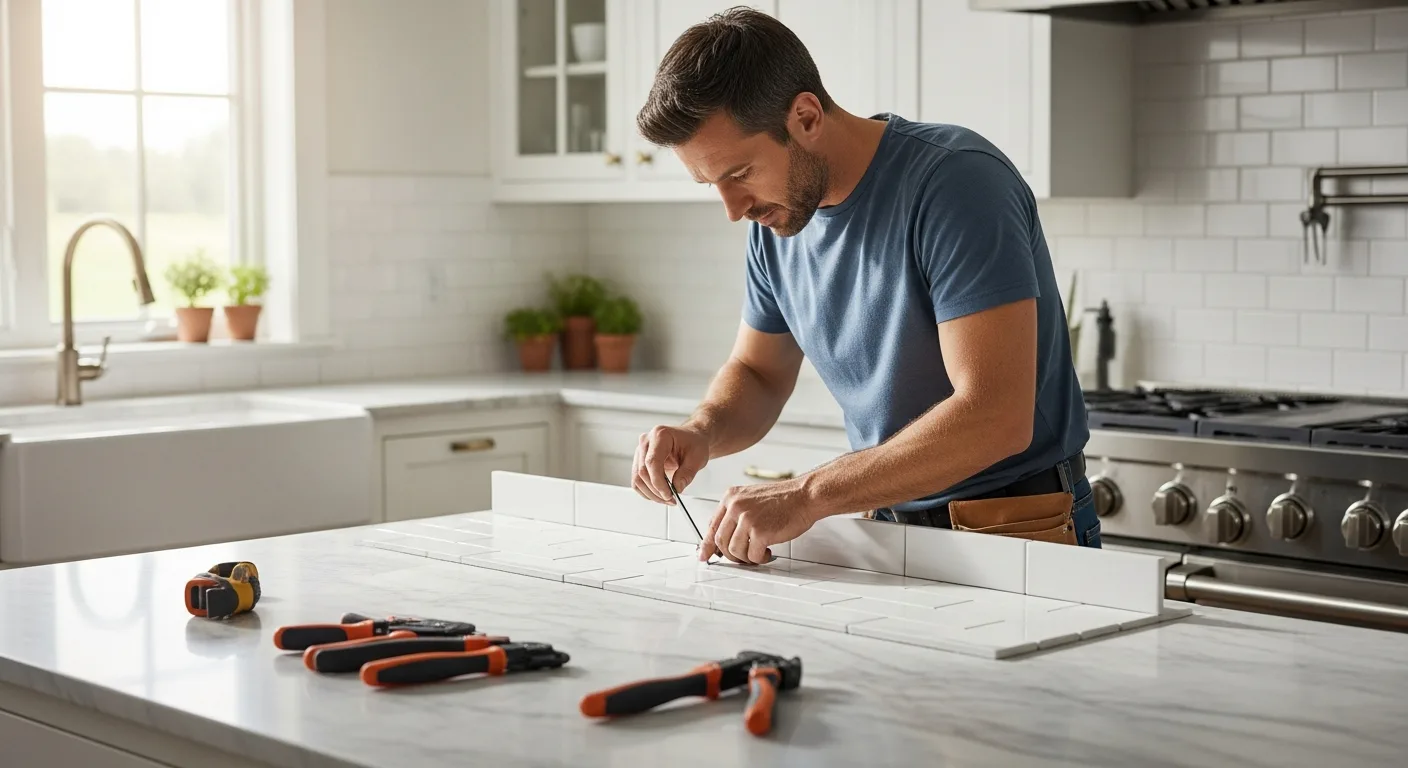
High-Impact Interior Refinishing
A man’s home is his sanctuary, but it is also his most significant financial asset. When he decides to take on diy home improvement projects, he should prioritize tasks that offer the highest visual impact for the lowest material cost. Interior painting remains the undisputed king of ROI. A fresh, modern palette can strip years off a property’s appearance. He should focus on high-traffic areas like the kitchen and living room, ensuring he uses a high-quality primer to hide previous blemishes.
Beyond paint, updating cabinet hardware and light fixtures can transform a dated room into a contemporary space. Swapping out brass handles for matte black or brushed nickel provides an instant modernization. He can also look into refinishing hardwood floors. While labor-intensive, renting a drum sander and applying a fresh coat of polyurethane can save him thousands compared to a professional installation. These aesthetic shifts are foundational strategies for increasing home value without requiring a massive capital injection.
Structural Repairs and Functional Upgrades
Before moving to cosmetic flourishes, a homeowner must ensure the skeleton of his house is sound. Ignoring minor leaks or drafts can lead to catastrophic expenses down the road. He should regularly inspect his attic for moisture and his basement for hairline cracks. Tackling these issues early prevents long-term structural degradation.
Door and window maintenance is another area where a man can demonstrate his handiness. Weatherstripping and caulking are simple tasks that significantly improve energy efficiency. If he notices doors sticking or skirting boards pulling away from the wall, he can often resolve these issues with basic carpentry tools. Mastering the basics of handling common home repairs like fixing door frames or replacing damaged trim ensures the home remains tight and well-insulated against the elements.
Outdoor Living and Curb Appeal
The first impression a property makes occurs at the curb. A man can drastically improve his home’s exterior by focusing on landscaping and hardscaping. This doesn’t always require a professional designer; simple actions like edging the lawn, pruning overgrown shrubs, and applying fresh mulch can make the property look meticulously maintained.
- Deck Restoration: If he has an existing wooden deck, power washing and restaining it can prevent rot and extend its life by a decade.
- Outdoor Lighting: Installing low-voltage LED path lights enhances safety and gives the home a premium look after sunset.
- Fencing: Repairing broken pickets or applying a fresh coat of stain to a fence line defines the property boundaries and adds a sense of security.
Modernizing with Smart Technology
In 2026, a home is only as good as its integration. A man can easily upgrade his living environment by installing smart thermostats, video doorbells, and automated lighting systems. These projects are generally “plug-and-play” but offer a high level of sophistication to potential buyers. He should ensure that all smart devices are compatible with a central hub to provide a seamless user experience. Replacing standard outlets with versions that include USB-C charging ports is another small but thoughtful upgrade that reflects a modern lifestyle.
Kitchen and Bathroom Refresh
Full-scale remodels are expensive, but a man can achieve a similar effect through targeted DIY efforts. In the kitchen, he might consider regrouting tile backsplashes or installing a new pull-down faucet. In the bathroom, replacing a dated vanity or swapping out an old toilet for a high-efficiency model can make the space feel brand new. These rooms are the primary focus for appraisers, so even small improvements here can lead to a significant bump in the final valuation.
Frequently Asked Questions
What is the most profitable DIY project?
Interior painting typically offers the highest return on investment. It is relatively inexpensive in terms of materials and can be completed by any man with a steady hand and proper preparation.
How do I know if a project is too big for DIY?
If a project involves major structural changes, complex electrical rewiring, or extensive plumbing behind walls, he should consult a professional. Safety and building code compliance are paramount.
Do DIY projects require permits?
It depends on the local jurisdiction. Cosmetic changes like painting or flooring usually don’t, but adding a deck or changing a home’s footprint almost always requires a permit from the city.
How can I save money on materials?
He can look for “oops” paint at hardware stores, shop at architectural salvage yards, or buy materials in bulk during seasonal sales to keep his project costs low.