The Foundation of Outdoor Comfort
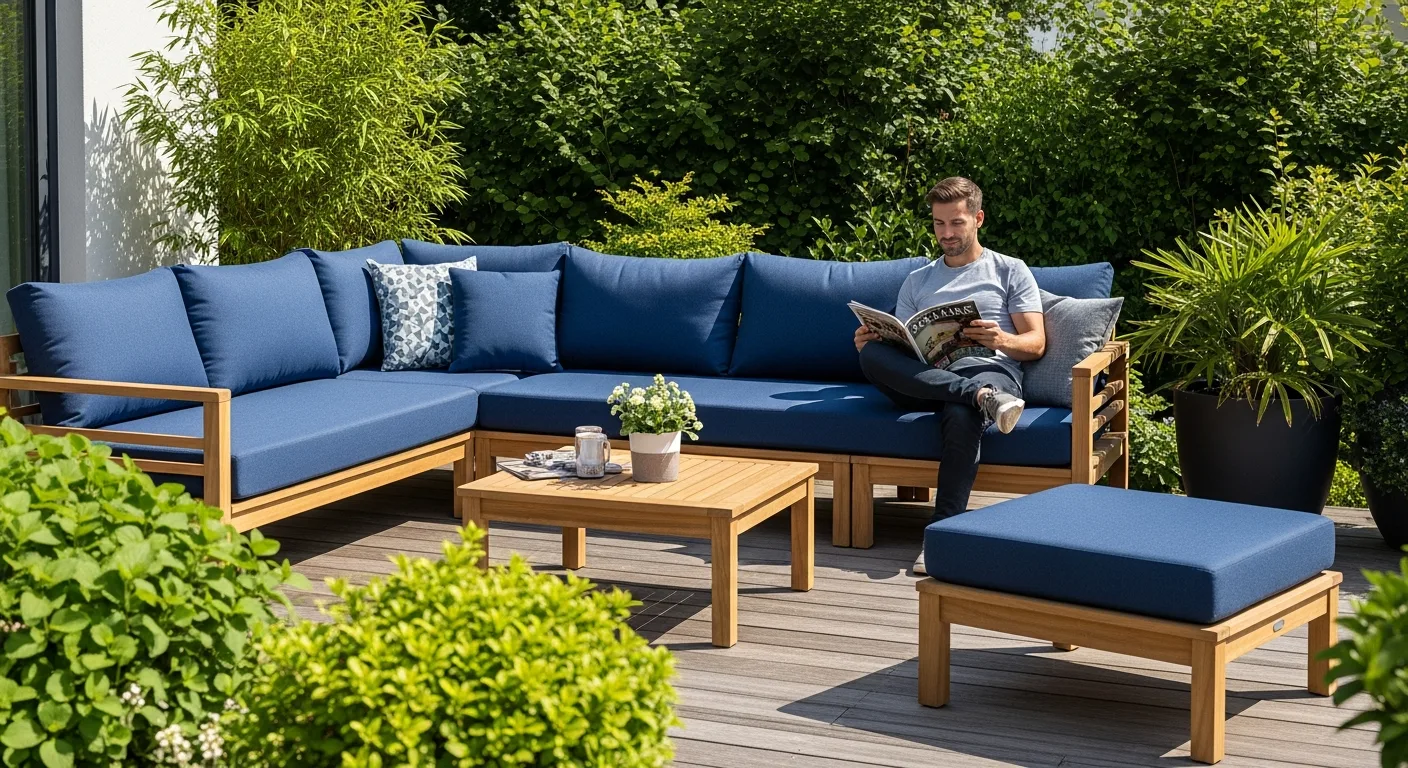
Nothing kills a backyard barbecue faster than a guest sinking into a soggy, flattened chair cushion. When a man invests in high-quality seating, the cushions for outdoor furniture are just as important as the frames themselves. They are the difference between a space he actually uses and a patio that sits empty. Choosing the right set requires looking past the color and focusing on the engineering of the fabric and the density of the foam.
High-quality cushions must withstand UV rays, sudden downpours, and the occasional spilled drink. If he has already selected the best wood for outdoor furniture, he needs padding that complements that durability. Cheap polyester covers might look good for a month, but they will fade and tear before the first season is over. Investing in performance materials is the only way to ensure long-term value.
Selecting Weather-Resistant Fabrics
The exterior shell of the cushion is the first line of defense. Not all “outdoor” fabrics are created equal. He should look for materials that are solution-dyed, meaning the color is integrated into the fibers rather than just printed on top. This prevents the sun from bleaching the life out of his setup.
- Acrylic (Sunbrella): The gold standard. It is highly resistant to mold, mildew, and fading. It feels like canvas but performs like a shield.
- Olefin: A synthetic fiber that is incredibly tough and dries quickly. It is an excellent choice for high-traffic areas where he expects a lot of wear and tear.
- Spun Polyester: A more budget-friendly option. While it is treated for water resistance, it won’t last as long as acrylic under direct, intense sunlight.
Understanding Foam and Filling Types
What is inside the cushion determines how long it keeps its shape. If he chooses a soft, low-density foam, he will be sitting on the hard frame within weeks. He needs to understand the difference between comfort and structural integrity.
Open-cell foam is the most common choice because it allows water to drain through quickly, preventing the “sponge effect” after a rainstorm. For even better protection, he can look for reticulated foam, which has a much more porous structure designed specifically for wet environments. If the furniture is kept under protective awnings or wraps, he might opt for a denser urethane foam wrapped in a polyester batting for a plush, indoor-like feel.
Measuring for a Precise Fit
A cushion that is too small looks cheap, and one that is too large will bunch up and wear out at the seams. He should never guess the dimensions. He needs to measure the width, depth, and height of the chair or sofa frame itself, not the old, sagging cushions he is replacing.
For the best results, he should measure the inside width between the arms and the depth from the front edge to the backrest. If he is buying cushions for a deep-seating set, he should ensure the back cushion is tall enough to support his shoulders without flopping over the top of the frame. Ties and non-slip backing are also essential features to look for, especially in windy areas where lightweight cushions might blow away.
Maintenance and Longevity Strategies
Even the best cushions for outdoor furniture require a basic maintenance routine. He should make it a habit to brush off loose dirt and debris before it becomes embedded in the fabric. Most performance fabrics can be cleaned with a simple solution of mild soap and lukewarm water.
When the winter months arrive, he should never leave his cushions exposed to the elements. Storing them in a dry, ventilated deck box or a garage will double their lifespan. If they do get soaked, he should stand them on their side with the zipper facing down to allow gravity to pull the moisture out as quickly as possible.
Frequently Asked Questions
Can I leave outdoor cushions out in the rain?
While most are water-resistant, they are not waterproof. Leaving them in heavy rain can lead to mold growth inside the foam. It is always better to bring them inside or cover them during a storm.
How do I stop my cushions from sliding?
He can use non-slip shelf liners cut to size or specialized cushion grips. Many high-end cushions also come with built-in fabric ties to secure them to the furniture frame.
How long should quality outdoor cushions last?
With proper care and high-quality fabric like Sunbrella, a man can expect his cushions to last between 5 to 10 years. Cheaper, retail-grade options usually need replacement every 1 to 2 seasons.
Can you wash outdoor cushion covers in a machine?
He should check the care label first. Many covers are machine washable on a cold, gentle cycle, but they should always be air-dried to prevent shrinking or damaging the waterproof coating.