The Engineering Reality of Building on Rock
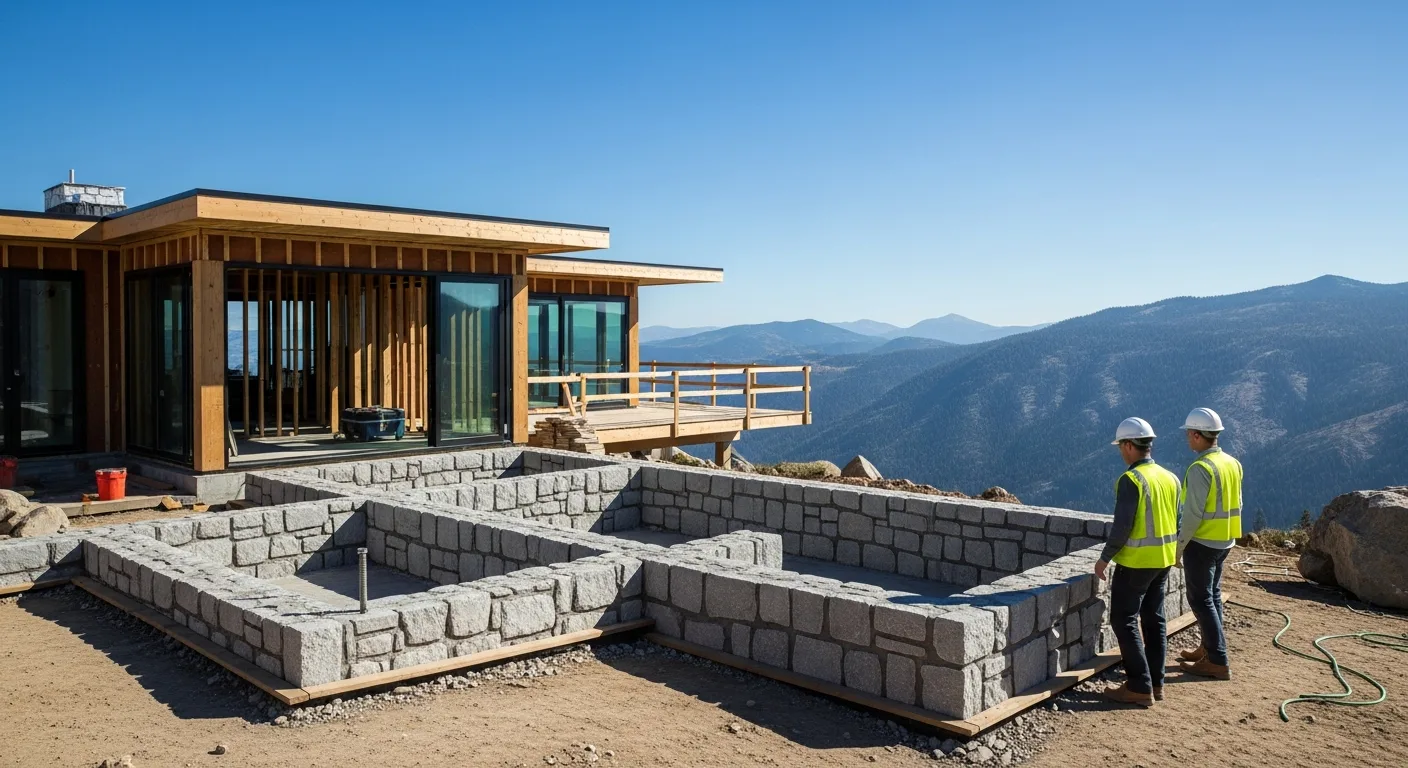
When a man decides to construct his forever home, the first decision he makes is often the most invisible: the foundation. Choosing to build your house on the rock isn’t just an ancient proverb; it is a sound engineering principle. Bedrock provides an unyielding base that does not shift, settle, or erode like clay or sandy soil. This stability ensures that the weight of the structure is distributed across a surface that can handle thousands of pounds per square foot without flinching.
Before he breaks ground, a builder must understand the geological makeup of his site. While soil can be compacted, it remains susceptible to moisture changes. Rock, however, remains constant. By anchoring a home directly into the earth’s crust, he eliminates the risk of the foundation sinking over decades. Understanding the core principles of structural integrity is essential before the first shovel hits the dirt, as the foundation dictates the lifespan of every other component in the house.
Assessing Your Site’s Foundation Potential
Not every plot of land offers immediate access to bedrock. A homeowner must hire a geotechnical engineer to perform core drilling. This process involves extracting samples from deep underground to determine where the solid rock begins. If the rock is too deep, he might need to use piers or piles to reach it. If it is too shallow, he faces a different set of challenges.
- Soil Testing: Determining the load-bearing capacity of the surface layers.
- Bedrock Depth: Identifying how far down the excavator needs to go to find a solid shelf.
- Water Table Analysis: Ensuring that building on rock won’t lead to hydrostatic pressure issues or basement flooding.
Costs and Challenges of Rock Foundations
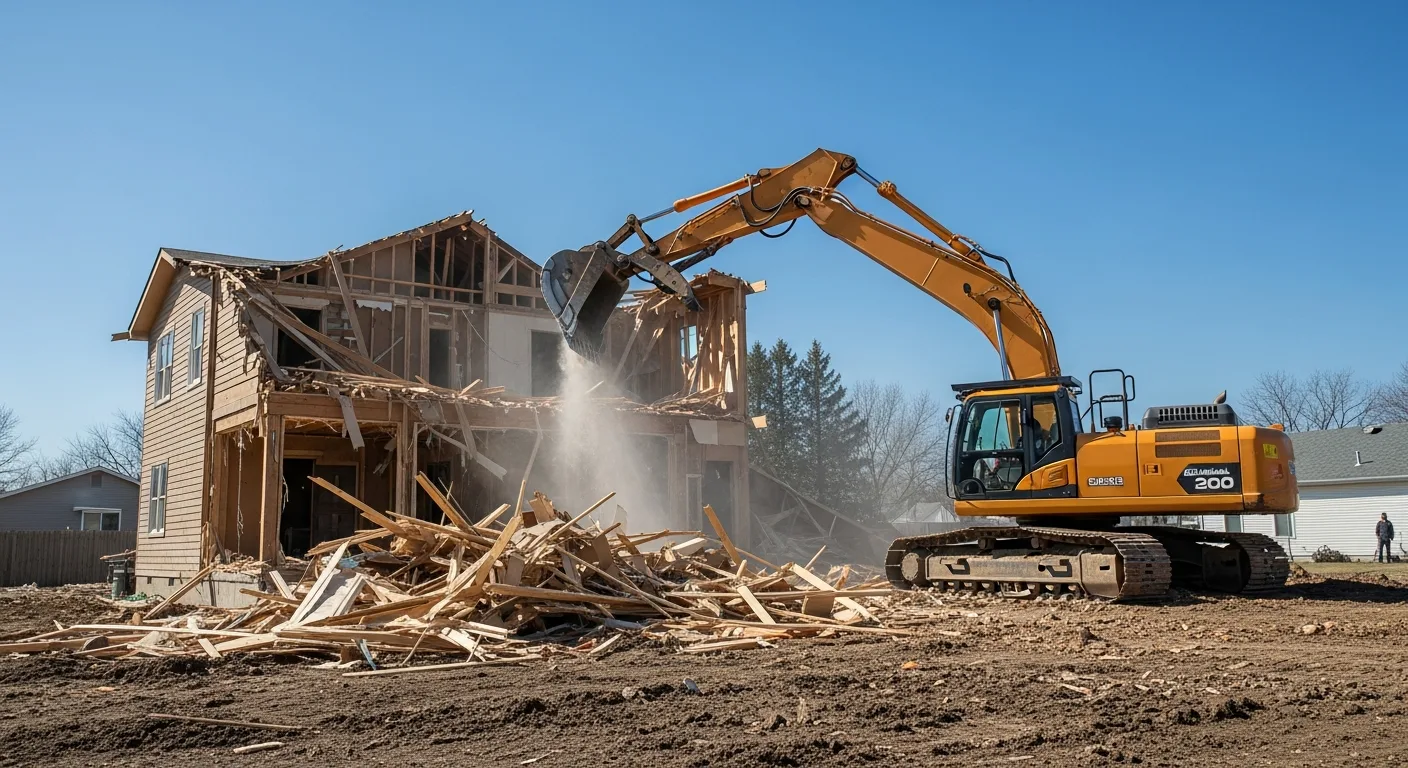
While the benefits of a rock foundation are immense, the initial investment is often higher. A man must be prepared for the logistical hurdles that come with solid stone. Standard excavators may struggle, often requiring hydraulic hammers or even controlled blasting to create space for footings or a basement. He must also account for the total home building costs, as excavating rock requires specialized machinery and more labor hours than digging through soft loam.
Furthermore, running utilities like plumbing and electrical lines becomes a more complex task. Instead of trenching through dirt, he may need to cut channels into the rock itself. This requires precision and a clear architectural plan to avoid costly mistakes once the concrete is poured.
Long-Term Value and Peace of Mind
The primary reason a man chooses to build on rock is the elimination of future maintenance. Homes built on expansive clay often suffer from cracked drywall, sticking doors, and uneven floors as the seasons change. A rock-solid foundation prevents these issues entirely. He can rest easy knowing that his investment is protected against the natural settling that plagues most residential structures.
In the real estate market, a home with a documented rock-anchored foundation carries a premium. It signals to future buyers that the original builder did not cut corners. He prioritized durability over convenience, creating a legacy structure that will stand for generations without the need for expensive foundation leveling or structural repairs.
Frequently Asked Questions
Is it more expensive to build on rock?
Yes, typically. The cost of excavation increases because you need heavy-duty equipment like rock hammers or blasting teams. However, you save money in the long run by avoiding foundation repairs and structural issues caused by soil shifting.
Can you build a basement on a rock foundation?
A builder can definitely include a basement, but it requires significant effort to blast or hammer out the space. Many homeowners choose to build a slab-on-grade or a crawlspace when they hit solid rock early to save on excavation costs.
How do I know if my land has bedrock?
He should look for rock outcroppings on the surface or check local geological surveys. The only way to be 100% certain is to commission a geotechnical report, which involves drilling test holes across the building footprint.