Identifying Common Brown Beetles Found Indoors
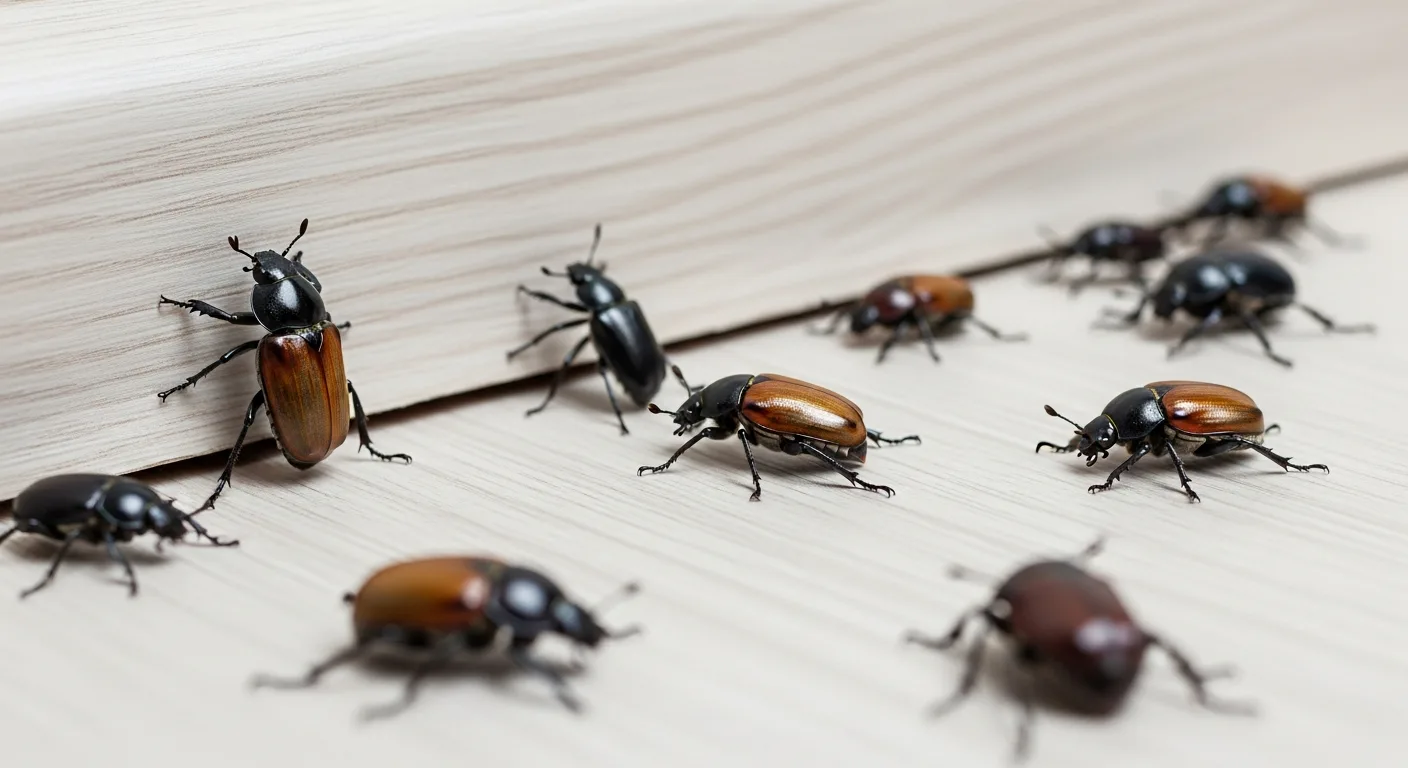
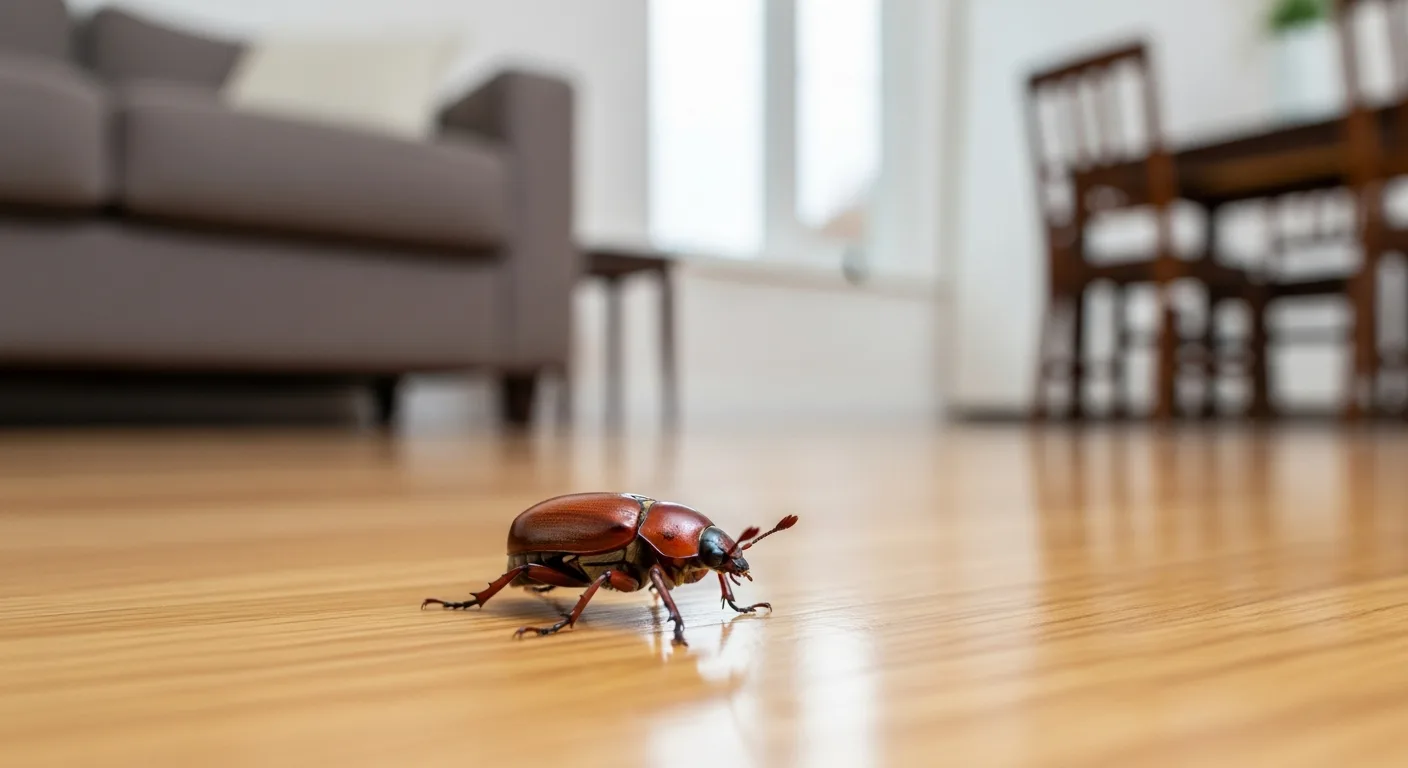
Finding a small brown beetle scurrying across the floor or buzzing around a lamp can be an unsettling experience for any homeowner. Before he reaches for the heavy-duty chemicals, he must first identify exactly what he is dealing with. Not all brown beetles are the same; some are harmless accidental invaders, while others can damage his pantry or wardrobe.
The most frequent culprits include Carpet Beetles, Drugstore Beetles, and Confused Flour Beetles. Carpet beetles are typically oval-shaped and may have mottled patterns, while drugstore beetles are more cylindrical and possess a distinct “humped” appearance when viewed from the side. If he notices them primarily in his kitchen, he is likely dealing with a stored product pest that has hitched a ride in a bag of flour or grain.
Why Brown Beetles Enter the Home
Beetles don’t just appear out of thin air. They are usually drawn to a home by three primary factors: light, food, and shelter. Many species, such as the June bug or the click beetle, are attracted to the glow of porch lights or interior lamps. Once they find a gap in a window screen or an unsealed door, they make their way inside.
Other species are more calculated. The Furniture Beetle or Powderpost Beetle may enter through infested wood products. If a man brings antique wooden furniture into his living room, he might unknowingly be introducing larvae that will eventually emerge as brown beetles. Understanding these entry points is a vital part of effective pest management strategies that prevent long-term infestations.
Effective Removal and Prevention Strategies
Once he has identified the beetle, the next step is elimination. For pantry pests, the solution is often as simple as locating the source of the infestation and disposing of it. He should inspect every box of cereal, bag of rice, and container of spices. If he finds larvae or adult beetles, the entire package must go into the outdoor trash immediately.
- Vacuuming: This is the most effective way to remove carpet beetles and their larvae from rugs and baseboards.
- Sealing Gaps: He should use caulk to seal cracks around windows and doors to prevent outdoor beetles from entering.
- Proper Storage: Moving dry goods into airtight glass or plastic containers starves out potential invaders.
- Light Management: Switching to yellow “bug lights” outdoors can reduce the number of beetles attracted to the home’s exterior.
For more persistent issues involving various types of crawlers, he might need to look into specialized household pest control techniques to ensure the environment remains clean and secure. Consistency is key; a single cleaning session rarely solves a deep-seated infestation.
When to Call a Professional
If he finds that the number of beetles is increasing despite his best efforts, or if he notices structural damage to his wooden beams or floorboards, it is time to consult an expert. Wood-boring beetles can compromise the integrity of a house if left unchecked. A professional can provide targeted heat treatments or localized applications that are far more effective than over-the-counter sprays. He should always prioritize the safety of his household by choosing the least toxic yet most effective path forward.
Frequently Asked Questions
Do brown beetles bite humans?
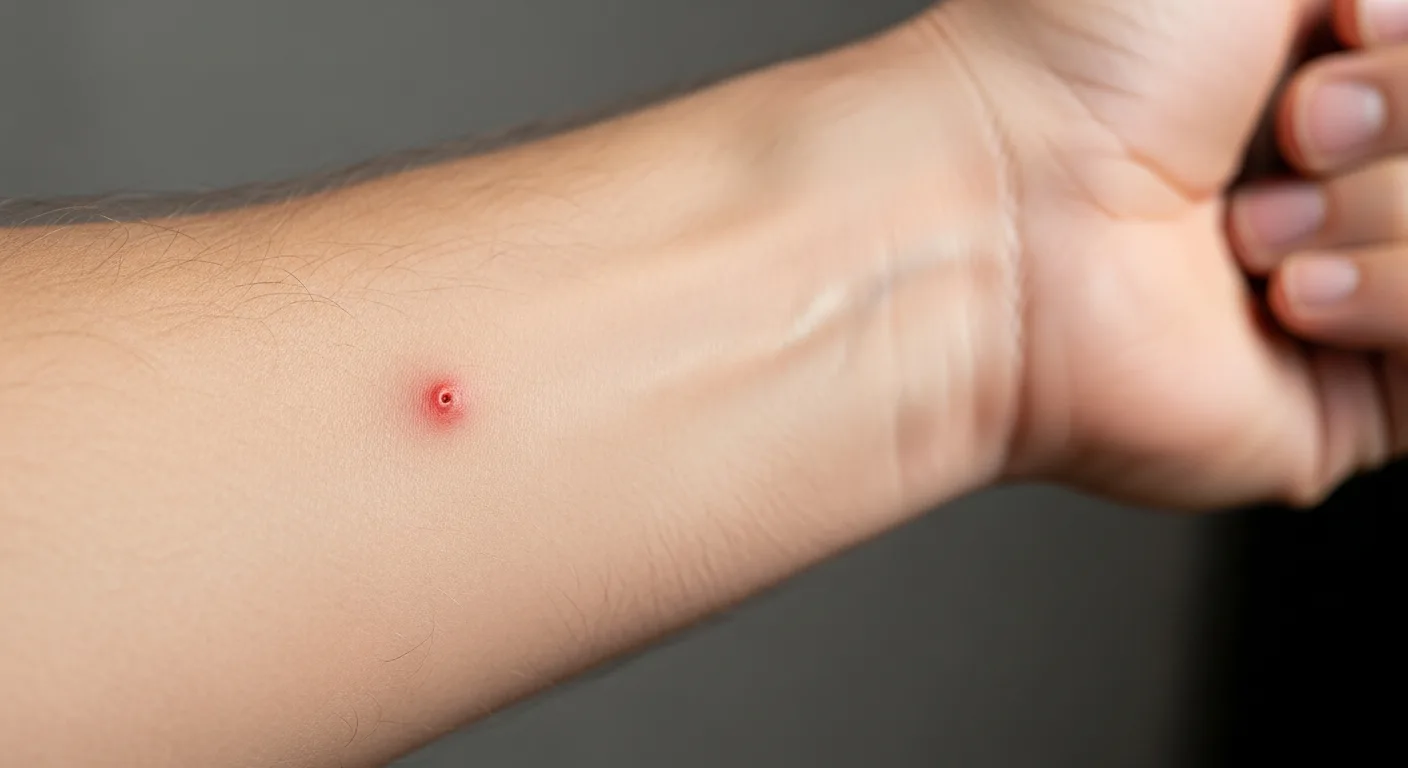
Most common brown beetles found in homes, such as carpet or flour beetles, do not bite. However, the larvae of carpet beetles have tiny hairs that can cause skin irritation or an allergic reaction in some individuals, which may be mistaken for a bite.
Can brown beetles fly?
Yes, many species of brown beetles are capable of flight. They often use their wings to reach light sources or to move from one food source to another. If he sees a beetle flying toward his ceiling fan or lamp, it is likely an adult seeking a mate or a way back outside.
How do I know if I have an infestation?
He should look for signs beyond just the adult beetles. This includes shed larval skins, small holes in fabric or wood, and “frass” (which looks like fine sawdust). If he sees more than three or four beetles in a single week, he should begin a thorough inspection of his pantry and closets.