Dealing with pests like bed bugs, spiders, horse flies, or bees can turn your home into a battleground, leaving you worried about both infestation and potential damage from treatments. Heat treatment for bed bugs is a popular, chemical-free option, but many homeowners fear it might harm their property. In this comprehensive guide, we’ll explore whether heat treatment damages your home, how to safely address spider nests, what attracts horse flies indoors, and effective home remedies for bees. From prevention to action, we’ll cover everything you need to reclaim your space safely and effectively.
Heat treatment for bed bugs typically does not damage your home when done professionally, as it uses controlled temperatures (120-135°F) that kill pests without harming most household items. However, precautions are needed for heat-sensitive items like electronics, plastics, and certain finishes to prevent warping or melting.
Understanding Bed Bug Heat Treatment
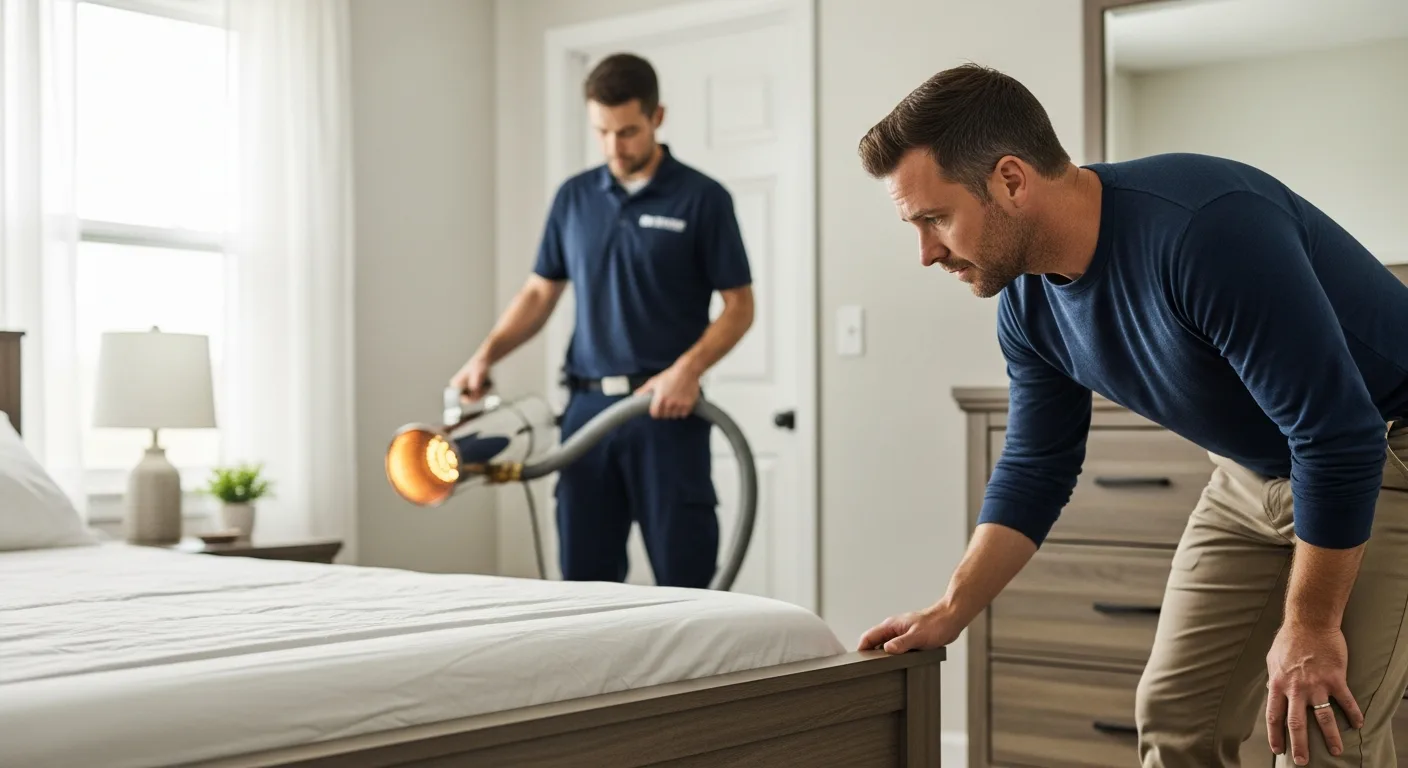
Heat treatment involves raising the temperature in your home to levels lethal to bed bugs (typically 120-135°F) for several hours. This method penetrates deep into furniture, walls, and crevices, eliminating bugs and eggs without chemicals. While effective, it’s natural to worry about potential damage. Professional technicians use specialized equipment to monitor and control heat, minimizing risks. For example, they may cover or remove sensitive items, ensuring your home stays safe. If you’re considering other pest control methods, our guide on state-specific home defense laws can help you navigate regulations in your area.
Will Heat Treatment Damage My Home?
When performed correctly, heat treatment is generally safe for your home. Here’s a breakdown of potential risks and how to mitigate them:
- Electronics: High heat can damage devices like TVs or computers. Professionals often advise removing them or using protective covers.
- Plastics and Vinyl: Items like vinyl flooring or plastic furniture may warp. Technicians monitor temperatures to stay within safe limits.
- Wood and Finishes: Most wood and finishes withstand the heat, but antique or delicate pieces might need extra care.
- Structural Elements: Properly controlled heat won’t harm walls, floors, or foundations, as it’s below combustion points.
To ensure safety, always hire licensed professionals who follow industry standards. For more on home maintenance, check out our master maintenance checklists for regular upkeep tips.
How to Handle Spider Nests in Your Home
Spider nests, often found in corners, basements, or attics, can be unsettling but are usually harmless. Most spiders are beneficial, eating other pests, but some species like black widows pose risks. Here’s a step-by-step approach to managing spider nests:
- Identify the Species: Use online resources or consult a pest control expert to determine if it’s dangerous.
- Remove the Nest Safely: Wear gloves and use a vacuum or broom to dislodge webs and egg sacs.
- Prevent Reinfestation: Seal cracks, reduce clutter, and keep areas dry to deter spiders.
- Use Natural Repellents: Essential oils like peppermint or vinegar sprays can repel spiders without chemicals.
If you’re dealing with other home invaders, our article on home defense strategies offers tips for securing your property.
What Attracts Horse Flies to Your Home
Horse flies are large, biting insects drawn to homes by specific factors. Understanding these can help you prevent infestations:
- Moisture: Standing water from leaks, pools, or damp soil attracts horse flies for breeding.
- Animals: Pets or livestock nearby can lure them, as horse flies feed on blood.
- Light and Heat: They’re attracted to warm, sunny areas, often entering through open windows or doors.
- Odors: Decaying organic matter or garbage emits smells that draw them in.
To reduce attraction, fix leaks, use screens, and maintain cleanliness. For more on exterior protection, explore our guide on home wrap installation to shield your home from pests.
Home Remedies to Kill Bees Instantly
While bees are crucial pollinators, aggressive swarms near homes can be dangerous. If removal is necessary, consider these instant home remedies, but prioritize safety and environmental impact:
| Remedy | How It Works | Safety Notes |
|---|---|---|
| Soapy Water Spray | Disrupts bees’ respiratory systems, causing quick suffocation. | Use cautiously; avoid harming beneficial bees unnecessarily. |
| Vinegar Solution | Acidic nature kills bees on contact; mix with water and spray. | Can damage plants; wear protective gear. |
| Essential Oils (e.g., peppermint) | Repels or kills bees when concentrated; apply near nests. | Less instant but safer for the environment. |
| Professional Removal | Experts use safe methods to relocate bees without harm. | Recommended for large infestations or endangered species. |
Always try non-lethal methods first, such as calling a beekeeper. For other pest issues, our emergency pet care guide includes tips for managing pests affecting pets.
Prevention Tips for Common Home Pests
Preventing pests is key to avoiding treatments altogether. Here are universal tips to keep your home pest-free:
- Seal Entry Points: Inspect and caulk cracks around windows, doors, and foundations.
- Maintain Cleanliness: Regularly clean kitchens, dispose of garbage, and vacuum to remove food sources.
- Control Moisture: Fix leaks and use dehumidifiers to deter pests like bed bugs and horse flies.
- Store Food Properly: Use airtight containers to avoid attracting insects and rodents.
- Regular Inspections: Check dark, hidden areas for signs of nests or infestations early.
For more on home safety, read about home cameras without WiFi to monitor pest activity discreetly.
FAQ Section
Will heat treatment for bed bugs damage my electronics?
Yes, heat treatment can damage electronics if not protected. Professionals often recommend removing devices like computers or TVs or using thermal blankets to shield them during treatment.
How do I safely remove a spider nest?
Wear gloves, use a vacuum or broom to dislodge the nest, and seal it in a bag. For dangerous species, contact a pest control expert to avoid bites.
What attracts horse flies to my home?
Horse flies are attracted to moisture, animals, light, and odors from decaying matter. Reducing standing water and using screens can help keep them away.
Are there instant home remedies to kill bees?
Yes, soapy water or vinegar sprays can kill bees instantly, but use them cautiously and consider non-lethal options like professional removal to protect pollinators.
Can heat treatment warp my furniture?
Heat treatment may warp plastic or vinyl furniture if temperatures exceed safe limits. Professionals monitor heat to prevent this, but it’s wise to cover sensitive items.
How do I prevent bed bugs after heat treatment?
After treatment, vacuum regularly, use mattress encasements, and avoid bringing used furniture indoors to prevent reinfestation.
What should I do if I find a bee swarm in my home?
Contact a local beekeeper or pest control professional for safe removal. Avoid disturbing the swarm, as bees can become aggressive.
Are spider nests dangerous?
Most spider nests are harmless, but species like black widows or brown recluses can be dangerous. Identify the spider first and remove nests carefully or call an expert.