Planning a home addition is an exciting journey that can transform your living space, but it requires careful preparation to avoid costly mistakes. Whether you’re dreaming of a sunroom, extra bedroom, or expanded kitchen, understanding the financial, logistical, and design aspects is key to success. This guide dives into using a home addition estimator effectively, outlines realistic timelines, and provides visual inspiration with pictures to spark your creativity. By leveraging tools and insights, you can navigate the process from initial ideas to completion, ensuring your project aligns with your budget and lifestyle needs.
A home addition estimator helps calculate costs based on size, materials, and location, with timelines ranging from 2-6 months. Use pictures and plans to visualize designs and streamline your project.
What Is a Home Addition Estimator and How to Use It
A home addition estimator is a tool or service that provides cost projections for your building project. It factors in variables like square footage, materials, labor, and local permit fees to give you a ballpark figure. Using an estimator early in planning helps set realistic budgets and avoid surprises. Start by measuring your space and researching average costs in your area—typically $100-$300 per square foot. For example, a 200-square-foot addition might range from $20,000 to $60,000. Tools range from online calculators to professional consultations; consider combining both for accuracy. Remember, estimators are guides, not guarantees, so always include a 10-20% contingency for unexpected expenses.
Key Factors Influencing Home Addition Costs
Costs vary widely based on several elements. Understanding these helps you use an estimator more effectively and plan your finances.
- Size and Scope: Larger additions or multi-story projects cost more due to increased materials and labor.
- Materials: High-end finishes like hardwood or custom cabinets raise prices, while standard options keep costs down.
- Labor and Location: Urban areas often have higher labor rates, and remote sites may incur extra transportation fees.
- Permits and Regulations: Local building codes and permit requirements can add $1,000-$5,000 to your budget.
- Site Preparation: Factors like soil conditions or existing structure modifications impact costs.
For a detailed look at managing expenses, check out our guide on how to avoid tax on second home, which includes financial strategies that can apply to additions.
Home Building Timeline: From Planning to Completion
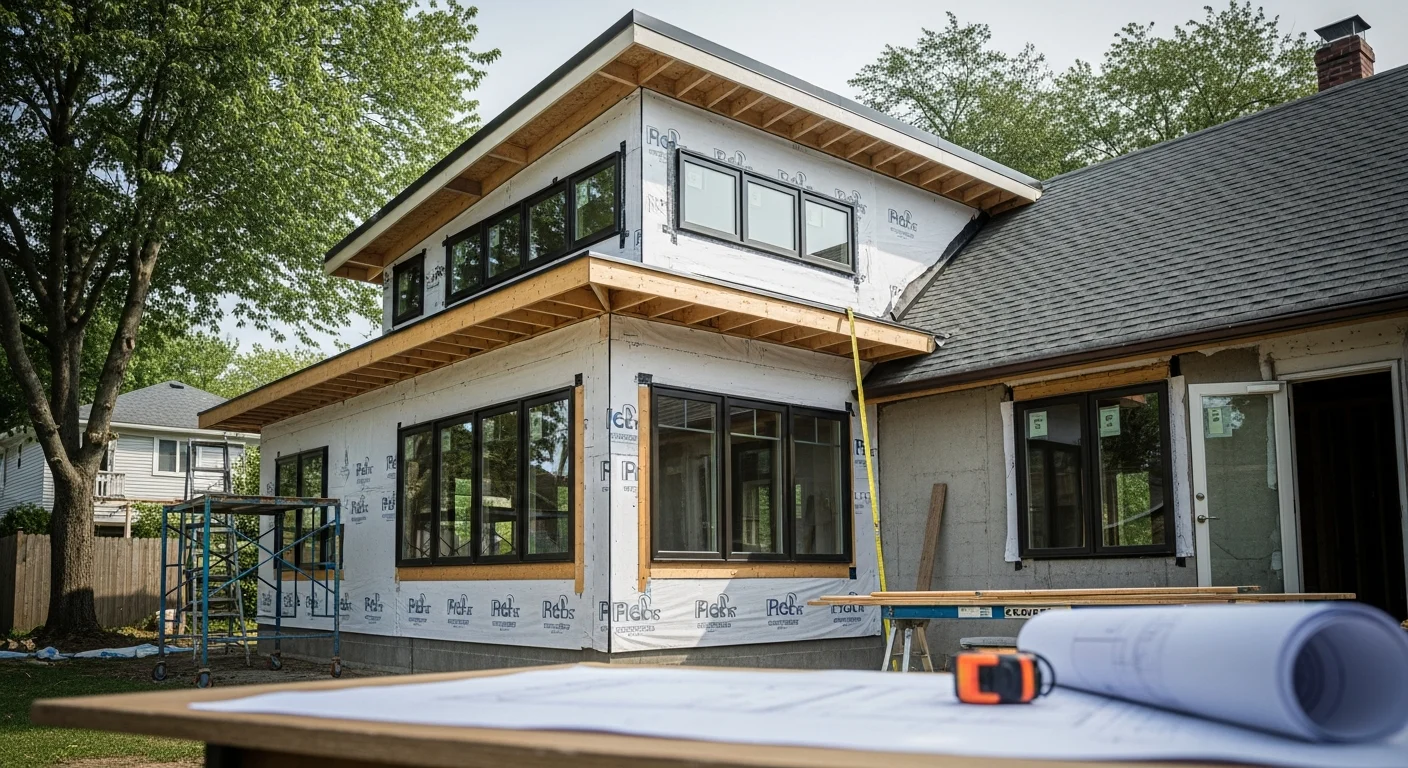
A typical home addition timeline spans 2-6 months, depending on complexity. Breaking it into phases ensures smooth progress and helps you stay on track.
- Planning and Design (1-2 months): Finalize ideas, create plans, and secure permits. Use pictures and sketches to visualize the outcome.
- Site Preparation (1-2 weeks): Clear the area, lay foundations, and set up utilities.
- Construction (2-4 months): Frame, install roofing, and complete interior work like electrical and plumbing.
- Finishing Touches (2-4 weeks): Add paint, flooring, and fixtures, followed by inspections.
Delays can occur due to weather or material shortages, so build in buffer time. For projects involving structural changes, consider consulting resources like our home foundation cracks repair guide to address potential issues early.
Home Addition Ideas with Pictures for Inspiration
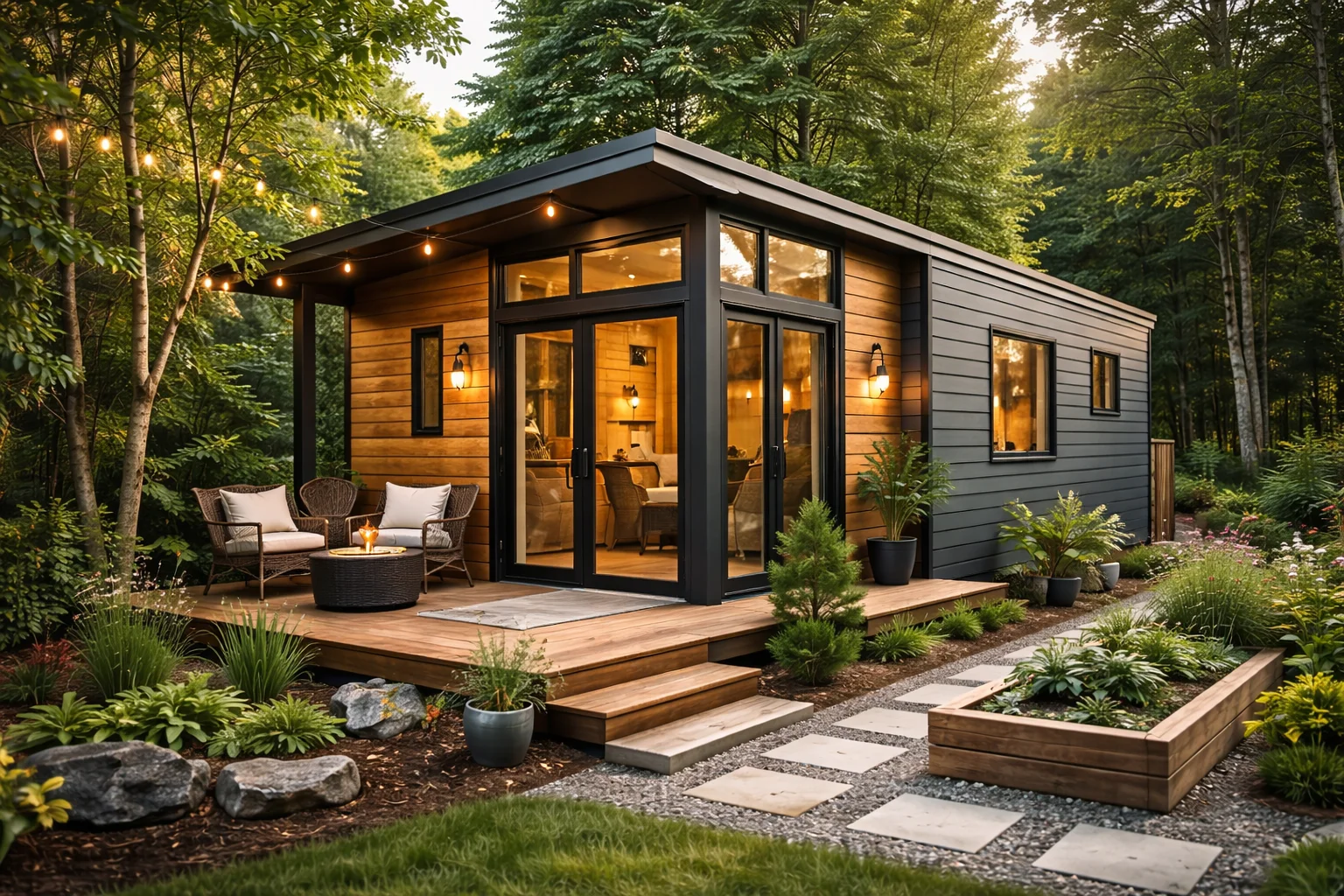
Visual inspiration is crucial for turning concepts into reality. Pictures help you communicate with contractors and refine your vision. Here are popular ideas to consider:
- Sunrooms or Enclosed Porches: Add natural light and extra living space—ideal for relaxation or plants.
- Kitchen Extensions: Expand cooking areas with islands or pantries, enhancing functionality.
- Master Suite Additions: Create a private retreat with a bedroom, bathroom, and walk-in closet.
- Home Office or Gym: Dedicated spaces for work or fitness, especially valuable in modern lifestyles.
- Second-Story Additions: Maximize land use by building upward, though this requires careful structural planning.
Browse online galleries or platforms like Pinterest for pictures, and sketch your own plans. For unique architectural styles, explore our article on Gambrel home plans & unique styles, which offers design insights that can inspire your addition.
Creating Effective Home Extension Plans
Detailed plans are the blueprint for your project, ensuring everything aligns with your goals. Work with an architect or use DIY software to draft them. Key components include:
- Floor Plans: Show room layouts, dimensions, and flow between spaces.
- Elevation Drawings: Illustrate exterior views and materials for a cohesive look.
- Structural Details: Specify foundations, load-bearing walls, and roofing.
- Utility Integration: Plan for HVAC, electrical, and plumbing connections.
Review plans with contractors to identify potential challenges. For smaller spaces, our guide on small home floor plans provides tips on optimizing layouts, which can be adapted for additions.
Comparing DIY vs. Professional Home Additions
Deciding between DIY and hiring professionals affects costs, timelines, and quality. Use this table to weigh your options.
| Aspect | DIY Approach | Professional Approach |
|---|---|---|
| Cost | Lower upfront, but risk of errors may increase long-term expenses | Higher upfront, but includes expertise and warranties |
| Timeline | Often longer due to learning curves and part-time work | Faster with coordinated teams and schedules |
| Quality | Varies based on skill level; may require revisions | Generally higher with adherence to codes and standards |
| Permits | You handle all paperwork and inspections | Contractors manage permits and compliance |
For complex projects like electrical work, it’s wise to hire pros. Learn more about essential upgrades in our home electrical guide to ensure safety and efficiency.
Tips for a Successful Home Addition Project
Maximize your project’s success with these practical strategies.
- Set a Realistic Budget: Use an estimator, then add contingency funds for surprises.
- Choose the Right Contractor: Vet candidates, check references, and get multiple quotes.
- Communicate Clearly: Share pictures and plans with your team to avoid misunderstandings.
- Monitor Progress: Regularly check timelines and address issues promptly.
- Focus on ROI: Consider how the addition affects home value—kitchens and bathrooms often offer the best returns.
For enhancing your property further, explore ideas in our guide on upgrading home security, which complements additions by improving safety.
Frequently Asked Questions
How accurate is a home addition estimator?
Estimators provide ballpark figures based on averages, but accuracy depends on input details like materials and location. For precise costs, consult with contractors who can assess your specific site.
What is the average timeline for a home addition?
Most projects take 2-6 months, from planning to completion. Complex additions or delays in permits can extend this, so plan accordingly.
Do I need permits for a home addition?
Yes, most additions require permits to ensure compliance with local building codes. Check with your municipality early to avoid hold-ups.
Can I use pictures from online for my design?
Absolutely! Pictures are great for inspiration, but work with a designer to adapt them to your space and structural needs.
How do I find a reliable contractor?
Ask for recommendations, read reviews, and interview multiple contractors. Verify licenses and insurance to ensure quality work.
What are common mistakes in home addition planning?
Underestimating costs, skipping permits, and poor communication are frequent pitfalls. Use an estimator and detailed plans to mitigate these risks.
How can I finance a home addition?
Options include home equity loans, personal loans, or savings. Compare rates and terms to choose the best fit for your budget.
Are home additions worth the investment?
Yes, if planned well—they can increase living space and property value. Focus on functional designs that meet your long-term needs.
Frequently Asked Questions
How accurate is a home addition estimator?
Estimators provide ballpark figures based on averages, but accuracy depends on input details like materials and location. For precise costs, consult with contractors who can assess your specific site.
What is the average timeline for a home addition?
Most projects take 2-6 months, from planning to completion. Complex additions or delays in permits can extend this, so plan accordingly.
Do I need permits for a home addition?
Yes, most additions require permits to ensure compliance with local building codes. Check with your municipality early to avoid hold-ups.
Can I use pictures from online for my design?
Absolutely! Pictures are great for inspiration, but work with a designer to adapt them to your space and structural needs.
How do I find a reliable contractor?
Ask for recommendations, read reviews, and interview multiple contractors. Verify licenses and insurance to ensure quality work.
What are common mistakes in home addition planning?
Underestimating costs, skipping permits, and poor communication are frequent pitfalls. Use an estimator and detailed plans to mitigate these risks.
How can I finance a home addition?
Options include home equity loans, personal loans, or savings. Compare rates and terms to choose the best fit for your budget.
Are home additions worth the investment?
Yes, if planned well—they can increase living space and property value. Focus on functional designs that meet your long-term needs.