As electric vehicles become mainstream and power reliability grows more critical, homeowners are increasingly looking to upgrade their electrical systems. Whether you’re planning to install a Level 2 charger at home for your EV, hook up a generator to your home for backup power, or install a whole-home surge protector to safeguard appliances, these projects require careful planning, professional expertise, and an understanding of costs and benefits. This guide covers everything you need to know about these essential electrical upgrades, from initial assessments to final installation, helping you make informed decisions to enhance your home’s functionality and safety.
To install a Level 2 charger at home, you’ll need a 240-volt circuit, professional installation by a licensed electrician, and permits, with costs ranging from $500 to $2,000+. Hooking up a generator requires a transfer switch for safety, while a whole-home surge protector installs at your main panel to protect all electronics from voltage spikes.
Why Electrical Upgrades Are Essential for Modern Homes
Today’s homes demand more from their electrical systems than ever before. With the rise of EVs, frequent power outages due to weather, and sensitive electronics, outdated wiring can lead to inefficiencies, safety hazards, and costly damages. Upgrading your electrical infrastructure not only improves convenience but also adds value to your property. For instance, installing an EV charger can make your home more attractive to future buyers, while a generator ensures comfort during emergencies. Similarly, surge protection prevents expensive repairs from power surges, which can damage everything from refrigerators to smart home devices. Before diving into specific projects, it’s wise to assess your overall electrical needs. A comprehensive home electrical guide can help you understand rewiring costs and other essential upgrades to consider alongside these installations.
How to Install a Level 2 Charger at Home
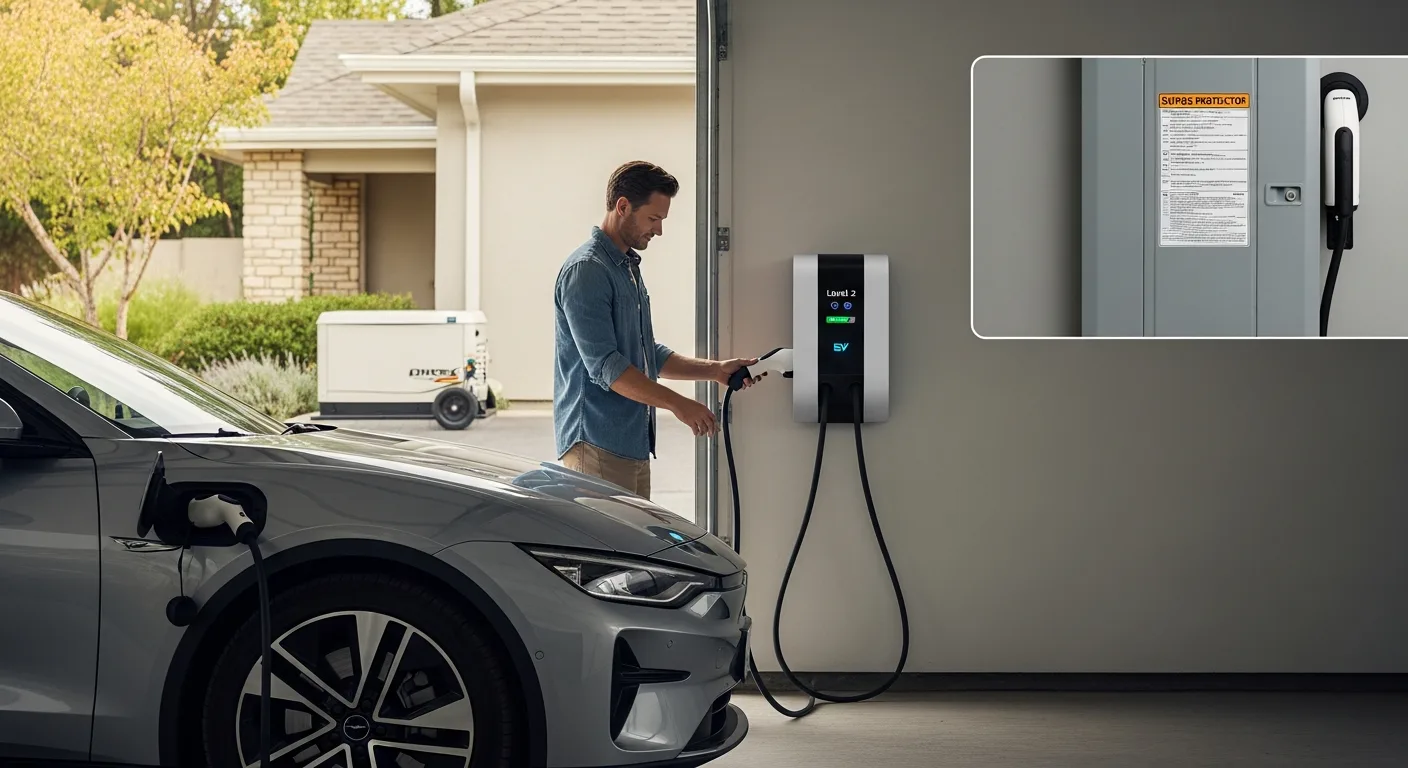
Installing a Level 2 charger is a popular upgrade for EV owners, offering faster charging times compared to standard Level 1 outlets. This process involves several key steps and considerations to ensure safety and efficiency.
- Assess Your Electrical Panel: Check if your panel has capacity for a 240-volt circuit, typically requiring 30-50 amps. Older homes may need an upgrade.
- Choose a Location: Select a spot near your parking area, ideally indoors or in a weather-protected area, to minimize cable length and exposure.
- Hire a Licensed Electrician: Professional installation is crucial for compliance with local codes and safety standards. They’ll handle wiring, permits, and inspections.
- Consider Smart Features: Many chargers offer Wi-Fi connectivity, scheduling, and energy monitoring for optimized use.
The cost to install a Tesla charger at home or other Level 2 units varies based on factors like electrical work needed and charger model. On average, expect to pay $500 to $2,000+, with higher costs for complex installations or panel upgrades. For those interested in sustainable living, pairing this with a home water treatment system can further enhance your eco-friendly home setup.
Hooking Up a Generator to Your Home: Safety and Steps
Connecting a generator provides backup power during outages, but it must be done correctly to avoid hazards like carbon monoxide poisoning or electrical backfeed. Follow these steps for a safe installation.
- Select the Right Generator: Choose between portable and standby models based on your power needs and budget. Standby generators offer automatic operation but are more expensive.
- Install a Transfer Switch: This device prevents backfeed into the grid, protecting utility workers and your home. It’s required by most codes and should be installed by a professional.
- Determine Fuel Source: Generators can run on gasoline, propane, or natural gas. Consider availability and storage when deciding.
- Plan for Ventilation: Place generators outdoors, away from windows and doors, to avoid carbon monoxide buildup.
Proper installation ensures reliable power for essentials like HVAC systems, which you can learn more about in our home air conditioner troubleshooting guide. Additionally, integrating a generator with your overall home security upgrades can keep cameras and alarms running during outages.
Install Whole Home Surge Protector: Benefits and Process
Whole-home surge protectors defend against voltage spikes caused by lightning, grid fluctuations, or large appliances cycling on and off. Unlike plug-in strips, they protect every circuit in your house.
- How It Works: Installed at your main electrical panel, these devices divert excess voltage to the ground, preventing damage to electronics.
- Types Available: Choose from Type 1 (service entrance), Type 2 (panel-mounted), or Type 3 (point-of-use) based on your protection needs.
- Installation Requirements: A licensed electrician can typically install a surge protector in 1-2 hours, with costs ranging from $200 to $500 plus labor.
- Maintenance Tips: Most models have indicator lights to show functionality; replace them every 5-10 years or after a major surge event.
This upgrade complements other home safety measures, such as those outlined in our guide to testing air quality and fire safety. For a comprehensive approach, consider pairing it with a DSC home alarm system for enhanced protection.
Cost Comparison: EV Chargers, Generators, and Surge Protectors
| Upgrade Type | Average Cost Range | Key Factors Affecting Cost | Professional Installation Required? |
|---|---|---|---|
| Level 2 EV Charger | $500 – $2,000+ | Charger model, electrical panel capacity, permit fees | Yes |
| Home Generator Hookup | $1,000 – $5,000+ | Generator type, transfer switch, fuel source setup | Yes |
| Whole-Home Surge Protector | $200 – $500+ | Protector type, labor rates, panel accessibility | Yes |
Note: Costs can vary widely based on location, home age, and specific project requirements. Always get multiple quotes from licensed electricians.
DIY vs. Professional Installation: What You Need to Know
While some homeowners may consider DIY to save money, electrical work poses significant risks if not done correctly. Here’s a breakdown of when to call a pro.
- Safety First: Electrical upgrades involve high voltages and complex wiring; mistakes can lead to fires, shocks, or code violations.
- Code Compliance: Professionals ensure installations meet local building codes, which often require permits and inspections.
- Warranty Protection: Many manufacturers void warranties if products are installed by unlicensed individuals.
- Time and Tools: DIY projects may take longer and require specialized tools, whereas electricians have the expertise to complete jobs efficiently.
For simpler home projects, you might explore DIY home repairs for mobile homes, but always consult a professional for electrical tasks. Similarly, understanding home valuation basics can help you assess how these upgrades impact your property’s worth.
People Also Ask: Electrical Upgrade FAQs
How much does it cost to install a Tesla charger at home?
The cost to install a Tesla charger at home typically ranges from $500 to $2,000+, depending on factors like electrical panel upgrades, charger model (e.g., Wall Connector), and local labor rates. Tesla offers installation services through certified electricians, which can provide a more accurate quote based on your home’s specifics.
Can I hook up a generator to my home without a transfer switch?
No, hooking up a generator without a transfer switch is dangerous and often illegal. It can cause backfeed into the grid, risking electrocution for utility workers and damaging your home’s electrical system. Always use a transfer switch installed by a licensed electrician for safety.
What are the benefits of a whole-home surge protector vs. plug-in strips?
Whole-home surge protectors offer comprehensive protection for all circuits, including hardwired appliances like HVAC units and lighting, while plug-in strips only protect devices directly plugged into them. Whole-home models are more effective against large surges from external sources like lightning.
Do I need a permit to install a Level 2 charger at home?
Yes, most localities require permits for installing a Level 2 charger to ensure compliance with electrical codes. Your electrician will typically handle the permit process as part of the installation, which may involve inspections to verify safety standards.
How long does it take to install a whole-home surge protector?
Installation usually takes 1-2 hours for a licensed electrician, assuming easy access to your electrical panel. The process involves mounting the device, connecting wires, and testing functionality. More complex panels or older homes might require additional time.
What size generator do I need to power my entire home?
To power your entire home, you’ll need a generator with a capacity of 20-50 kilowatts, depending on your home’s size and appliance load. Calculate your total wattage needs by adding up the starting watts of major appliances, or consult an electrician for a professional assessment.
Are there tax incentives for installing an EV charger at home?
Yes, in many regions, tax credits or rebates are available for installing EV chargers. For example, in the U.S., the federal tax credit covers 30% of costs up to $1,000. Check local utility programs and government websites for current incentives.
Can I install a surge protector myself if I’m experienced with electrical work?
While experienced DIYers might handle it, it’s generally recommended to hire a professional due to the risks of working with live panels and ensuring proper grounding. Incorrect installation can void warranties or fail to provide adequate protection.