When your home air conditioner not blowing cold air, it can turn a comfortable living space into an unbearable environment, especially during peak summer months. HVAC systems are complex, and issues like poor airflow, inconsistent temperatures, or a heater blowing cold air often stem from common problems that homeowners can diagnose and sometimes fix themselves. This guide will walk you through the essential steps for troubleshooting airflow and temperature issues in your home’s HVAC system, covering everything from basic checks to when it’s time to call a professional. Whether you’re dealing with a malfunctioning thermostat or a clogged filter, understanding these basics can save you time, money, and discomfort.
If your home air conditioner not blowing cold air, first check the thermostat settings, air filter, and circuit breaker. Often, simple fixes like replacing a dirty filter or resetting the thermostat can restore cooling. For persistent issues, inspect the condenser unit outside and ensure it’s not blocked by debris.
Common Causes of Airflow and Temperature Problems
HVAC systems rely on a delicate balance of components to maintain comfort. When airflow is weak or temperatures are off, it’s usually due to one of these key issues. Start by identifying symptoms like reduced cooling, strange noises, or uneven room temperatures. For example, if your home heater blowing cold air, it might indicate a pilot light problem or faulty thermostat. Regular maintenance, as discussed in our seasonal home maintenance guide, can prevent many of these issues by keeping your system clean and efficient.
- Dirty or clogged air filters restricting airflow
- Thermostat malfunctions, such as a Honeywell home thermostat not turning on
- Blocked vents or ductwork due to debris or furniture
- Refrigerant leaks in the AC system
- Faulty blower motor or fan components
Step-by-Step Troubleshooting for Air Conditioners
Follow this systematic approach to diagnose why your home air conditioner not blowing cold air. Begin with simple checks before moving to more complex tasks. Safety first: always turn off power at the circuit breaker when inspecting electrical components. If you’re unsure, consult a professional, especially for tasks involving refrigerants or electrical wiring. For broader home systems, understanding home electrical upgrades can provide context for HVAC power issues.
- Check the thermostat: Ensure it’s set to “cool” and the temperature is below room level. Replace batteries if needed.
- Inspect the air filter: A dirty filter can block airflow. Replace it every 1-3 months.
- Examine the condenser unit outside: Clear away leaves, dirt, or obstructions around it.
- Verify the circuit breaker: Reset it if the HVAC system has tripped.
- Listen for unusual sounds: Rattling or buzzing may indicate mechanical issues.
Addressing Heater Issues: Why It Might Blow Cold Air
If your home heater blowing cold air, the causes can differ from AC problems. Common reasons include a malfunctioning pilot light, dirty burners, or thermostat errors. Start by checking the thermostat settings—ensure it’s on “heat” and set above room temperature. For gas heaters, verify the gas supply is on. Regular maintenance, like cleaning components, can prevent these issues. In some cases, upgrading to a smart thermostat might help, but ensure compatibility with your system. For more on home comfort systems, explore our home HVAC essentials guide.
| Issue | Possible Cause | Quick Fix |
|---|---|---|
| Heater blows cold air | Thermostat set incorrectly | Adjust settings to “heat” and higher temperature |
| Weak airflow | Clogged air filter | Replace or clean the filter |
| No heat production | Pilot light out (gas heaters) | Relight following manufacturer instructions |
| Inconsistent temperatures | Ductwork leaks | Seal leaks with duct tape or call a pro |
Thermostat Troubles: Honeywell and Other Brands
A Honeywell home thermostat not turning on can disrupt your entire HVAC system. Start by checking the power source—replace batteries or ensure it’s wired correctly. If the display is blank, it might be a circuit breaker issue. For programmable thermostats, reset to factory settings if needed. Upgrading to a smart thermostat can offer better control and energy savings, but ensure it’s compatible with your HVAC setup. For more on home automation, our smart home networking guide provides insights into integrating devices.
- Check and replace thermostat batteries regularly
- Reset the thermostat by turning it off and on
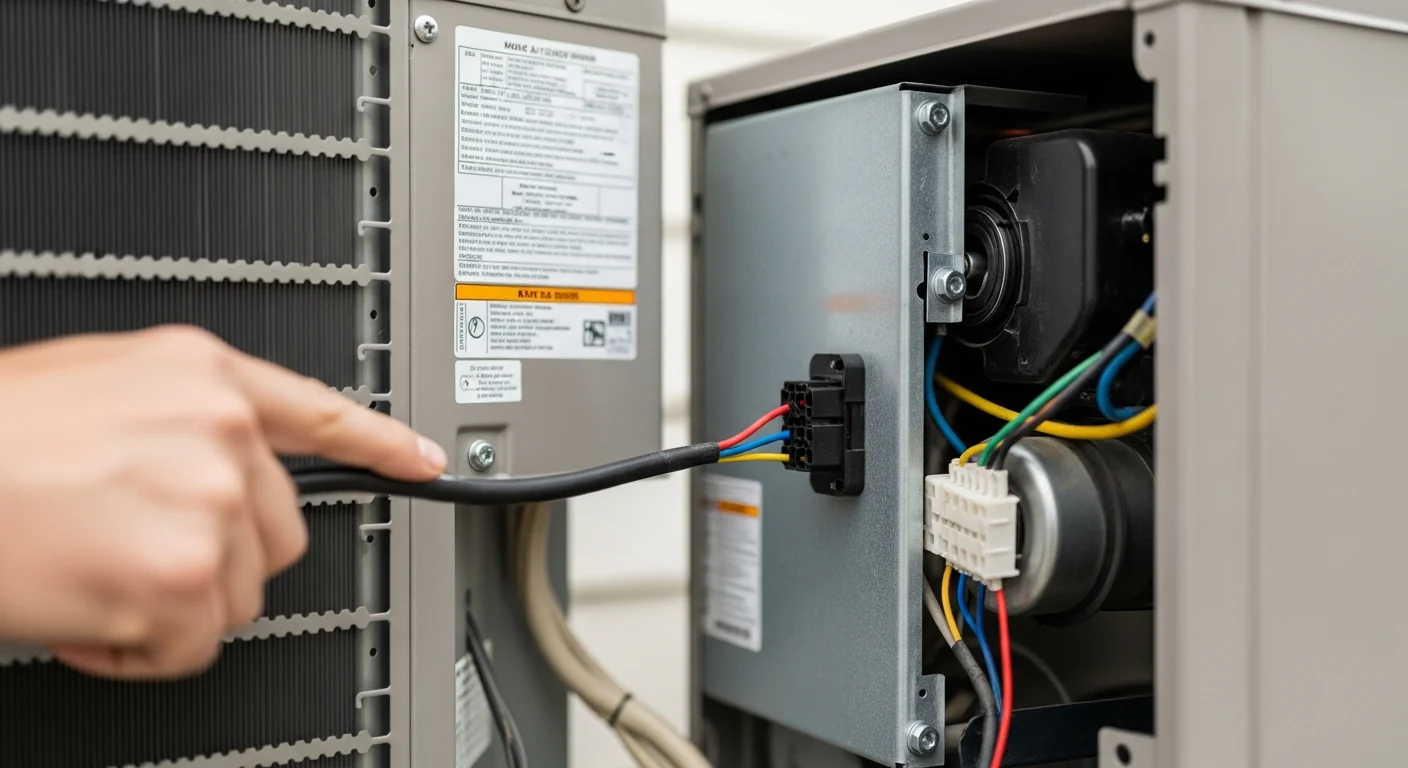
- Ensure proper wiring connections are secure
- Update firmware for smart thermostats if applicable
- Consider professional calibration for accuracy
When to Call a Professional HVAC Technician
While DIY fixes can resolve many issues, some problems require expert attention. If troubleshooting doesn’t restore cooling or heating, or if you notice signs like refrigerant leaks, electrical sparks, or persistent strange noises, it’s time to call a pro. Complex tasks, such as handling refrigerants or repairing internal components, should be left to licensed technicians to avoid safety risks or voiding warranties. Regular professional maintenance can extend your system’s life and efficiency. For related home systems, learn about home water treatment to ensure overall home comfort.
- Refrigerant leaks: Handling requires certification and special tools.
- Electrical issues: Faulty wiring can be hazardous if not repaired correctly.
- Compressor failures: Replacement is complex and often costly.
- Ductwork repairs: Sealing or replacing ducts may need professional assessment.
- Warranty concerns: DIY repairs might void manufacturer warranties.
Preventive Maintenance Tips for Optimal Performance
Preventive care can reduce the likelihood of your home air conditioner not blowing cold air or heater malfunctions. Schedule annual inspections, clean components regularly, and monitor system performance. Simple habits, like keeping vents unobstructed and changing filters, go a long way. For comprehensive home upkeep, our seasonal maintenance guide offers detailed checklists. Additionally, consider upgrading insulation or sealing leaks to improve efficiency, which can also help with controlling pests like mites that thrive in poorly maintained systems.
- Change air filters every 1-3 months
- Clean condenser coils annually to prevent dirt buildup
- Schedule professional HVAC tune-ups twice a year
- Keep outdoor units clear of debris and vegetation
- Monitor energy bills for sudden increases indicating inefficiency
Frequently Asked Questions (FAQs)
Why is my home air conditioner not blowing cold air even when it’s on?
This could be due to a dirty air filter, low refrigerant levels, or a faulty compressor. Start by checking and replacing the filter, then inspect the condenser unit for blockages. If issues persist, it might be a refrigerant leak or electrical problem requiring professional help.
What should I do if my home heater blowing cold air in winter?
First, check the thermostat settings to ensure it’s on “heat” and set above room temperature. For gas heaters, verify the pilot light is lit. If these are fine, it could be a dirty burner or malfunctioning valve, which may need a technician’s attention.
How can I fix a Honeywell home thermostat not turning on?
Replace the batteries first, as dead batteries are a common cause. If that doesn’t work, check the circuit breaker and ensure the thermostat is properly wired. Resetting it to factory settings might also help, or consider upgrading if it’s old.
Is it safe to troubleshoot HVAC issues myself?
Basic tasks like changing filters or resetting thermostats are generally safe. However, avoid handling electrical components, refrigerants, or gas lines without proper training, as these can pose safety risks. When in doubt, consult a professional.
How often should I maintain my HVAC system to prevent issues?
Perform basic maintenance monthly, such as checking filters, and schedule professional inspections at least once a year for heating and cooling systems. Regular upkeep can prevent common problems like poor airflow or temperature inconsistencies.
Can a clogged filter cause my AC to blow warm air?
Yes, a severely clogged filter can restrict airflow, causing the evaporator coil to freeze and reducing cooling efficiency. This might result in warm air blowing from vents. Regularly replacing filters can prevent this issue.
What are signs that I need to replace my HVAC system?
Look for frequent repairs, rising energy bills, uneven temperatures, or systems over 10-15 years old. If your home air conditioner not blowing cold air persists despite fixes, it might be more cost-effective to upgrade to a newer, more efficient model.
How does adjusting home water pressure relate to HVAC?
While not directly linked, proper water pressure is important for homes with hydronic heating systems or humidifiers integrated into HVAC. Low pressure can affect these components, so ensuring balanced water systems supports overall home comfort.