Identifying the Difference Between Gas and GDV
When you notice your dog’s midsection looking larger than usual, your first instinct is to find a dog bloated stomach home remedy. However, you must first distinguish between simple flatulence and a life-threatening condition called Gastric Dilatation-Volvulus (GDV). If his stomach is hard to the touch and he is unsuccessfully trying to vomit, this is a medical emergency, not a case for home treatment.
For mild cases where he is still passing gas and acting relatively normal, home interventions can provide relief. If he is showing signs of severe distress, you should consult a pet emergency care home guide to determine if immediate clinical intervention is required. Understanding the severity of his condition is the most important step in his recovery.
Safe Home Remedies for Mild Canine Bloat
If you are certain he is just dealing with a buildup of gas, there are several steps you can take to ease his discomfort. These methods focus on moving the gas through his system or neutralizing the pressure in his digestive tract.
- Simethicone (Gas-X): This is one of the few over-the-counter human medications that is generally safe for dogs. It works by breaking up gas bubbles. Always check with a vet for the correct dosage based on his weight before administering it.
- Gentle Movement: Take him for a slow, steady walk. Movement helps stimulate the bowels and encourages the natural passage of gas. Do not let him run or jump, as vigorous activity can worsen a potentially twisted stomach.
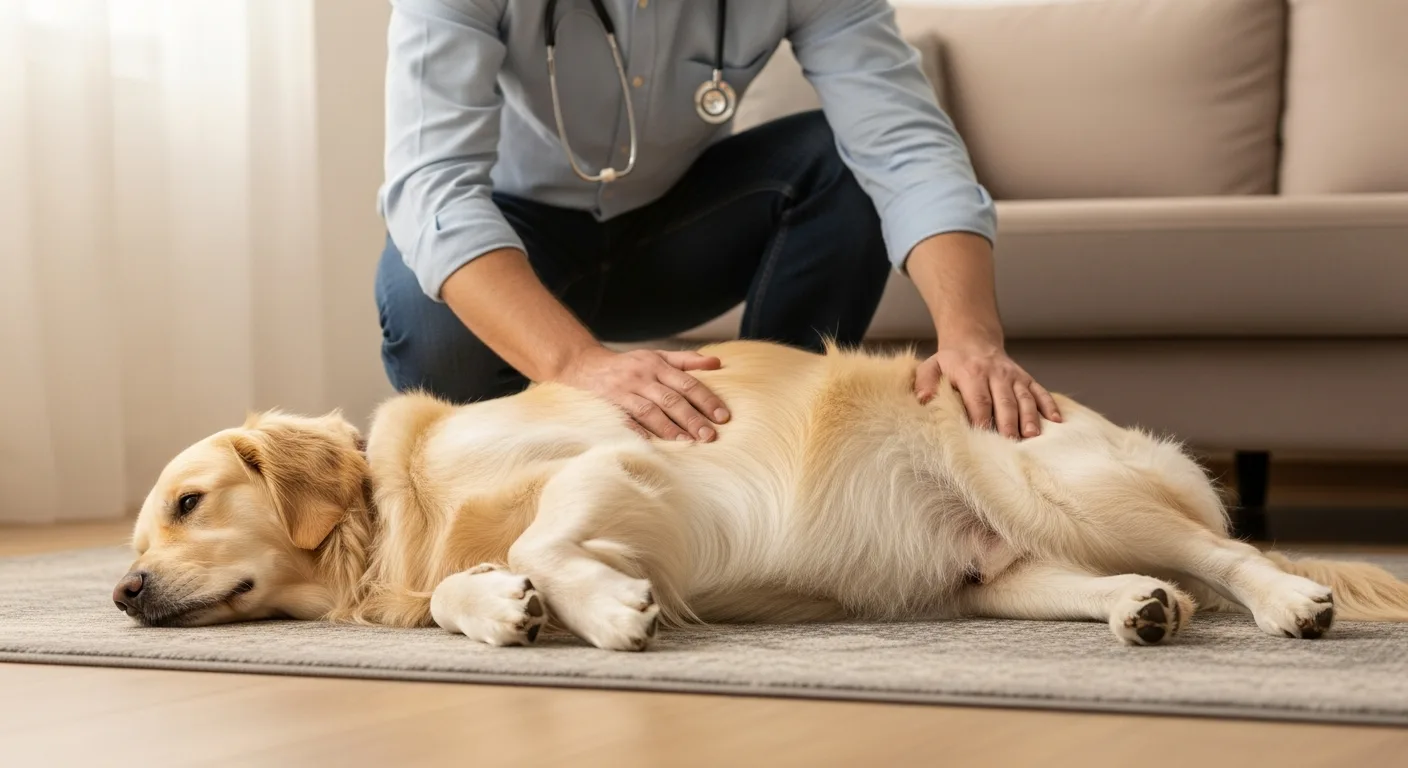
- Abdominal Massage: If he allows it, gently rub his belly in a clockwise motion. This can help move trapped air toward the exit. If he winces or pulls away, stop immediately, as this indicates pain rather than just pressure.
Dietary Adjustments to Relieve Pressure
While many owners look for understanding pet health remedies to manage minor digestive upsets, long-term dietary changes are often the best way to prevent the stomach from bloating in the first place. If he frequently suffers from a distended belly, his food might be the culprit.
Probiotics and Pumpkin: Adding a spoonful of plain, canned pumpkin (not pie filling) to his meal can regulate his digestion. Probiotics specifically formulated for canines can also balance his gut flora, reducing the fermentation that leads to excess gas. Ensure he has access to fresh water at all times, but prevent him from gulping it down too quickly after a meal.
When Home Remedies Are Not Enough
You must be vigilant. If his condition does not improve within 30 to 60 minutes of trying a home remedy, or if his symptoms escalate, he needs a vet. GDV can kill a healthy dog in a matter of hours. Watch for these specific red flags:
- Unproductive Retching: He looks like he needs to throw up but nothing comes out except foam or saliva.
- Extreme Lethargy: He is unable to stand or seems unusually weak.
- Pale Gums: Check his mouth; if his gums are white or blue-tinged, he is in shock.
- Rapid Heartbeat: His chest is thumping quickly even though he hasn’t been active.
Preventing Future Bloat Episodes
Prevention is more effective than any remedy. To keep his stomach flat and healthy, change how he eats. Use a slow-feeder bowl to prevent him from inhaling air while he eats. Avoid feeding him from an elevated bowl unless specifically recommended by a vet, as recent studies suggest this may actually increase the risk of bloat in large breeds.
Additionally, enforce a “rest period” after meals. Do not engage him in heavy exercise for at least one hour after he eats. This allows his digestive system to process the food without the risk of the stomach shifting or twisting due to physical momentum.
Frequently Asked Questions
Can I give my dog apple cider vinegar for bloat?
Some owners use a teaspoon of diluted apple cider vinegar to balance stomach pH, but there is little scientific evidence that it helps with acute bloat. It is better to stick to proven methods like Simethicone or gentle walking.
Is a hard stomach always a sign of an emergency?
Yes, a distended, drum-like stomach that feels hard to the touch is a classic sign of GDV. If his stomach feels like a basketball, do not wait for home remedies to work; take him to a clinic immediately.
Does charcoal help with dog gas?
Activated charcoal can help absorb toxins, but it is not the most effective treatment for simple gas bloat. It can also be very messy and may interfere with other medications he might need at the vet.