Why Rubber Outperforms Traditional Commercial Surfaces
When a facility manager evaluates his options for high-traffic environments, commercial rubber flooring consistently emerges as the superior choice. Unlike VCT or laminate, rubber is vulcanized to withstand extreme pressure, heavy foot traffic, and the constant movement of equipment. It does not crack under stress or lose its structural integrity when exposed to moisture.
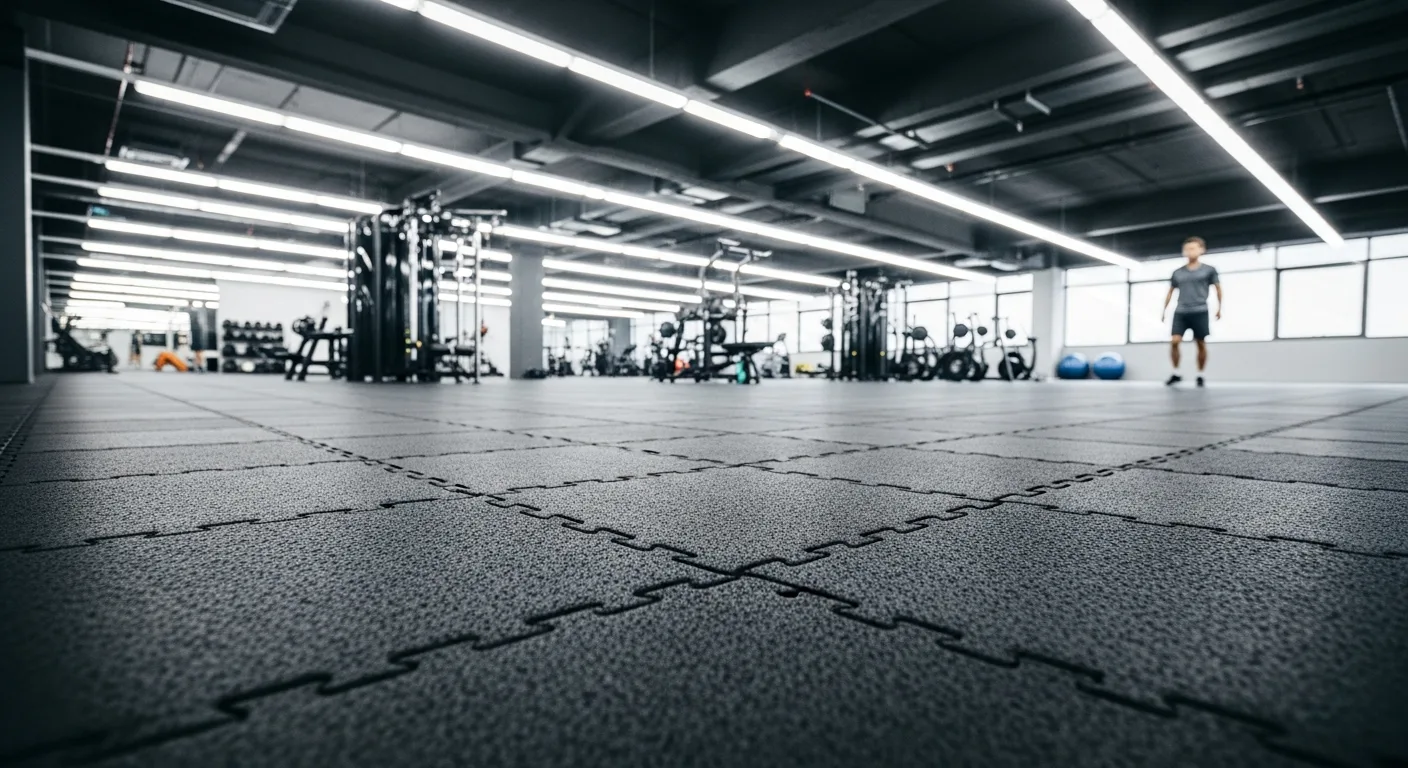
The resilience of rubber provides a unique “cushion” effect. This is not just about comfort; it is about protecting the subfloor from impact damage. In industrial settings or fitness centers, a professional often refers to a commercial gym flooring guide to determine the exact thickness needed to prevent concrete degradation from dropped weights or heavy machinery.
The Impact of Slip Resistance on Facility Safety
Safety is the primary concern for any building owner. Commercial rubber flooring possesses a high coefficient of friction, which remains effective even when the surface is wet. This makes it an essential installation for entryways, locker rooms, and healthcare corridors where spills are frequent.
- Natural Traction: Rubber’s inherent grip reduces the risk of slip-and-fall accidents.
- ADA Compliance: Most high-quality rubber products meet or exceed the slip-resistance standards required by disability acts.
- Antimicrobial Properties: Many commercial-grade rubbers are treated to resist the growth of mold and bacteria, ensuring the environment remains hygienic for everyone.
Acoustic Control and Sound Absorption
Large commercial spaces often suffer from excessive noise echoing off hard surfaces. Rubber flooring acts as a natural sound dampener, absorbing the energy from footsteps and rolling carts. In a multi-story facility, this acoustic insulation is vital for maintaining a productive atmosphere on the floors below.
By reducing ambient noise levels, a manager can ensure his team remains focused without the constant distraction of clattering equipment. This sound-deadening quality is one reason why rubber is the standard for libraries, hospitals, and high-end office buildings.
Maintenance Strategies for the Modern Facility Manager
One of the most significant advantages of rubber is its low-maintenance profile. It does not require the frequent stripping, waxing, or buffing associated with vinyl tile. For the facility manager, this translates to lower labor costs and less downtime for his building.
Daily cleaning typically involves a simple sweep and a damp mop with a pH-neutral cleaner. Because the material is non-porous, stains do not penetrate the surface easily. For those managing smaller professional spaces or specialized zones, integrating a home gym setup with proper flooring and storage can serve as a smaller-scale blueprint for how to maintain high-performance surfaces efficiently.
Comparing Rolls vs. Interlocking Tiles
Choosing the right format depends on the specific layout of the facility. Rubber rolls are ideal for large, open areas because they minimize the number of seams, creating a nearly monolithic surface that prevents moisture from seeping into the subfloor. However, they require professional installation to ensure the edges are perfectly aligned.
Interlocking tiles, on the other hand, offer more flexibility. If a specific section of the floor is damaged, the manager can simply replace a few tiles rather than the entire floor. This modularity is highly efficient for retail spaces or workshops where heavy equipment might be moved frequently, causing localized wear and tear.
Frequently Asked Questions
How long does commercial rubber flooring last?
With proper maintenance, high-quality commercial rubber flooring can last 20 to 30 years. Its durability makes it one of the most cost-effective long-term investments for any business owner.
Is rubber flooring eco-friendly?
Yes, many commercial rubber products are made from recycled tires. This keeps waste out of landfills and contributes to LEED certification points for green building projects.
Can rubber flooring be used outdoors?
While some rubber tiles are designed for outdoor use, most commercial indoor rubber flooring is not UV-stabilized. It is best to check the manufacturer’s specifications before installing it in areas exposed to direct sunlight.
Does rubber flooring smell?
New rubber flooring may have a slight “new car” scent initially. However, high-quality vulcanized rubber off-gasses quickly, and the smell typically dissipates within a few days of installation in a well-ventilated area.