The Strategic Advantage of Custom Built-In Cabinets
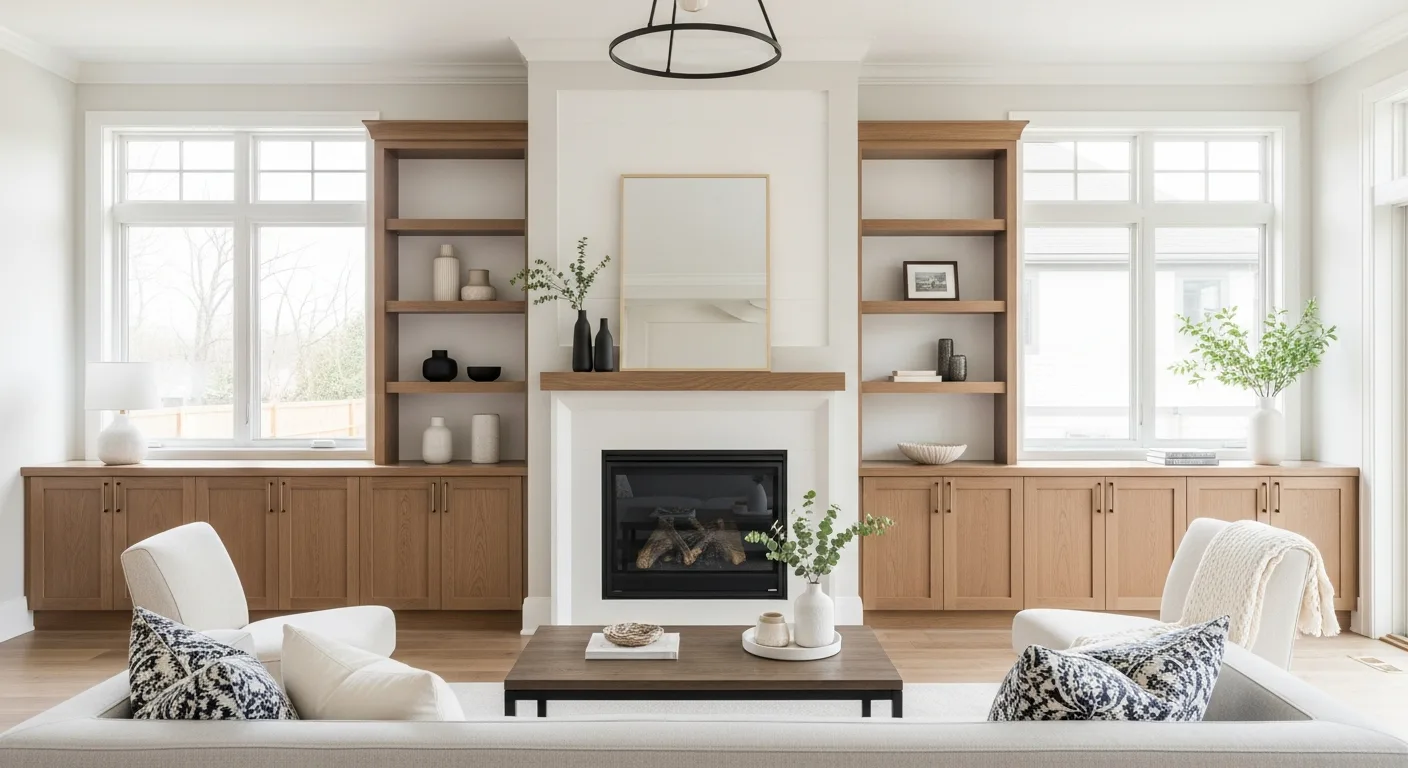
A man’s living room often serves as the command center of his home. Whether he is hosting a game night or unwinding after a long shift, the environment needs to be both functional and visually sharp. Built-in cabinets in the living room offer a level of sophistication that freestanding furniture simply cannot match. By anchoring the room with permanent storage, a homeowner eliminates the visual noise of cluttered wires, mismatched shelving, and wasted corner space.
Unlike modular units, built-ins are designed to fit the specific dimensions of a wall. This allows a man to utilize vertical space effectively, reaching all the way to the ceiling if necessary. This architectural integration creates a seamless look that makes the room feel larger and more intentional. When he chooses high-quality materials, he isn’t just buying furniture; he is investing in a permanent upgrade to the structure of his home.
Selecting Materials for Longevity and Style
When planning a project, the choice of material dictates both the cost and the lifespan of the installation. For a rugged, high-end finish, solid hardwoods like oak, walnut, or maple are the gold standard. These materials handle the weight of heavy book collections or media equipment without sagging over time. If he is looking for a more cost-effective solution that still offers a premium look, high-density fiberboard (MDF) is an excellent choice for painted finishes because it resists warping due to temperature changes.
To ensure he is making the right choice for his specific needs, he should consult a comprehensive guide on cabinet quality to understand how different construction methods impact durability. A well-built unit should feature dovetail joints and soft-close hardware, ensuring that the daily wear and tear of a busy household doesn’t degrade the cabinet’s functionality.
Integrating Media and Smart Technology
Modern living rooms are tech-heavy environments. Between gaming consoles, sound systems, and large-screen displays, cable management can quickly become a nightmare. Built-in cabinets provide a discrete way to house these components. A smart design includes ventilated compartments to prevent electronics from overheating and pre-drilled channels for hidden wire routing.
- Floating Shelves: Ideal for displaying trophies, collectibles, or high-end audio speakers.
- Closed Cabinetry: Perfect for hiding routers, power strips, and bulky controllers.
- Integrated Lighting: LED strips or recessed puck lights can highlight specific sections, adding depth to the room at night.
By planning the layout around his specific tech stack, he ensures that his entertainment center remains the focal point without the distraction of tangled cords. He can even incorporate motorized lifts that hide the television entirely when it is not in use, maintaining a clean, minimalist aesthetic.
Impact on Property Valuation
One of the most significant benefits of installing custom cabinetry is the financial return. Potential buyers view built-ins as a luxury feature that adds character and immediate utility to a house. Because they are permanent fixtures, they are often factored into the overall appraisal of the property.
For a homeowner focused on increasing his home’s market value, built-ins are a high-yield investment. They signal to future owners that the house has been maintained with an eye for detail and quality. In a competitive real estate market, a living room that offers floor-to-ceiling custom storage often stands out more than a standard room with empty walls.
Design Considerations for the Modern Man
The aesthetic of the built-ins should complement the existing architecture. If he lives in a modern loft, sleek, handle-less doors with a matte finish provide a clean look. For a more traditional home, shaker-style doors and crown molding add a sense of timelessness. He should also consider the balance between open and closed storage. Too much open shelving can look cluttered if not curated properly, while too much closed cabinetry can feel heavy and imposing.
A common mistake is failing to account for baseboards and crown molding. A professional installer will scribe the cabinets to the walls and floor, ensuring there are no gaps. This level of precision is what separates a DIY weekend project from a professional-grade architectural feature that defines the entire living space.
Frequently Asked Questions
Do built-in cabinets make a living room look smaller?
No, when designed correctly, they can actually make a room feel larger. By using vertical space and matching the cabinet color to the walls, the units blend into the architecture, reducing visual clutter and opening up the floor plan.
What is the average depth for living room built-ins?
Standard depth is typically between 12 and 24 inches. Shelving for books usually sits at 12 inches, while lower cabinets intended to hold media components or printers often require 18 to 24 inches of depth.
Can I install built-ins over carpet?
It is highly recommended to install built-ins directly onto the subfloor. Installing them over carpet can lead to instability and settling over time, which may cause the cabinet doors to become misaligned.