Establishing a Realistic Budget and Financing
Before a man even looks at a plot of land, he must understand his financial boundaries. Building a custom home is notoriously prone to “scope creep,” where small upgrades eventually lead to massive overruns. He should secure a construction-to-permanent loan, which covers the building phase and then converts into a traditional mortgage once he moves in.
It is vital to account for the average cost to build a house, which includes not just materials and labor, but also permits, impact fees, and site preparation. A smart builder always keeps a 10-15% contingency fund for the unexpected issues that inevitably arise during excavation or utility hookups.
Finding the Perfect Site
The land dictates the house. A man needs to evaluate the topography, soil quality, and local zoning laws before committing. If he chooses a sloped lot, he might gain a walk-out basement but face significantly higher foundation costs. He must also verify access to utilities; bringing power, water, and sewage to a remote lot can cost tens of thousands of dollars.
Designing for Lifestyle and Longevity
This is where the vision takes shape. Working with an architect allows a man to customize every square inch to fit his daily routine. Whether he needs a dedicated home office or a high-end workshop, the floor plan should prioritize flow and functionality. He should refer to a comprehensive home building guide to ensure he doesn’t overlook critical structural elements during the design phase.
Vetting Your General Contractor
The relationship between a man and his builder is the most important factor in the project’s success. He should interview at least three candidates, check their recent references, and visit active job sites. A quality builder provides a transparent contract that outlines the timeline, payment schedule, and “change order” protocols. He needs a partner who communicates clearly and respects the established budget.
Navigating the Construction Phases
Once the ground is broken, the project moves through several distinct stages that require his attention:
- Site Prep and Foundation: Clearing the land and pouring the footings. This is the most critical stage for long-term structural health.
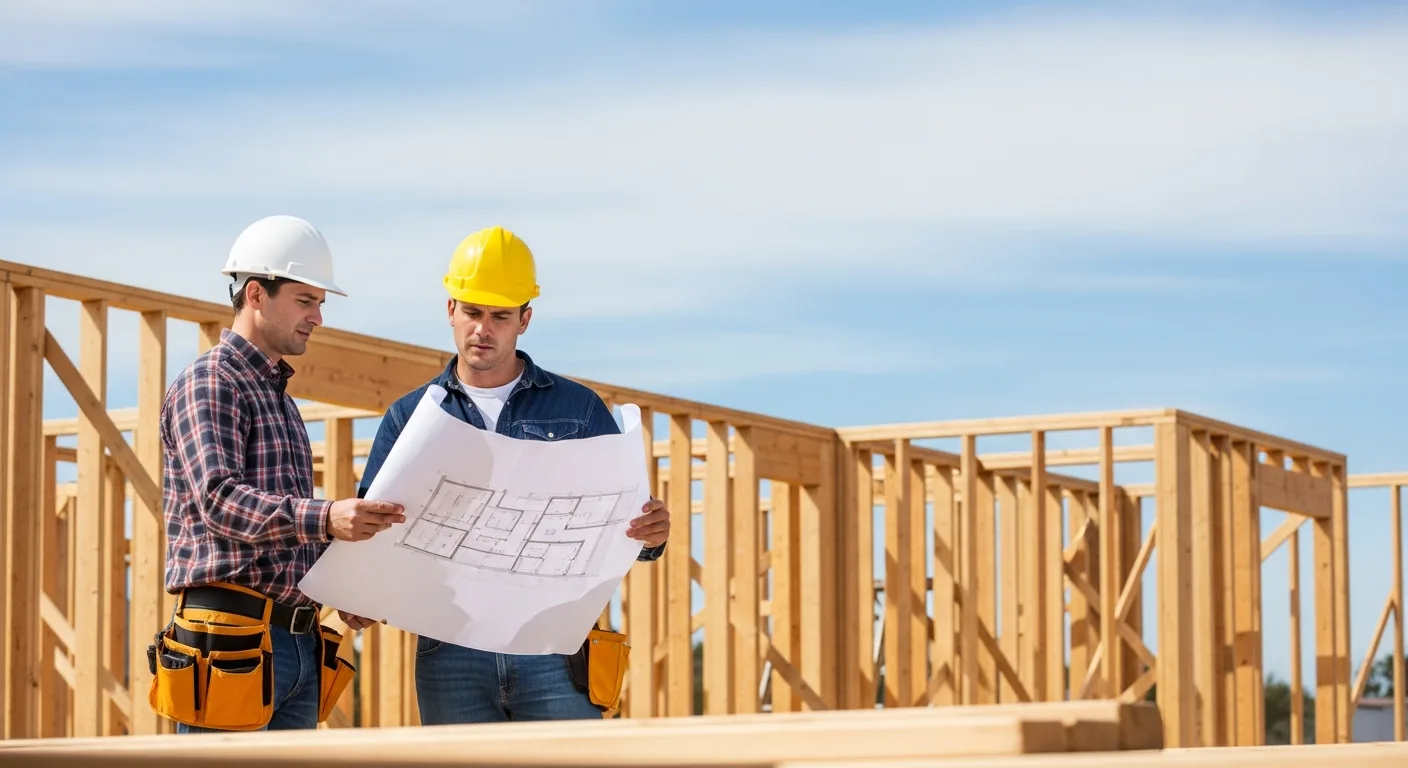
- Framing: The “skeleton” of the house is built, giving the first real sense of the home’s scale and room sizes.
- Mechanicals: Installation of HVAC, plumbing, and electrical systems before the walls are closed. He should verify outlet placements now.
- Finishes: Drywall, flooring, cabinetry, and paint that turn a structure into a living space.
The Final Walkthrough and Inspection
Before the keys are handed over, a man must conduct a thorough “punch list” walkthrough. He should inspect every outlet, faucet, and door hinge. This is his last chance to ensure the builder has met the agreed-upon standards before final payment is released. Professional third-party inspections during construction can also provide peace of mind regarding the home’s structural integrity.
Frequently Asked Questions
How long does it take to build a custom home?
On average, the process takes 12 to 18 months, depending on the complexity of the design, weather conditions, and local permit timelines.
Is it cheaper to buy an existing home or build a custom one?
Building is often more expensive upfront due to land costs and customization, but it offers better long-term value, modern energy efficiency, and lower immediate maintenance costs.
What is the first step in building a custom home?
The first step is always establishing a firm budget and securing financing. Knowing exactly what he can afford prevents a man from wasting time on designs that are financially out of reach.