Identifying Bird Mites in Your Living Space
If a man notices tiny, moving specks on his walls or feels a persistent crawling sensation on his skin at night, he is likely dealing with bird mites. These parasites are nearly microscopic, often no larger than a pinhead. Before they feed, they appear translucent or white; after a blood meal, they turn a distinct reddish-brown color.
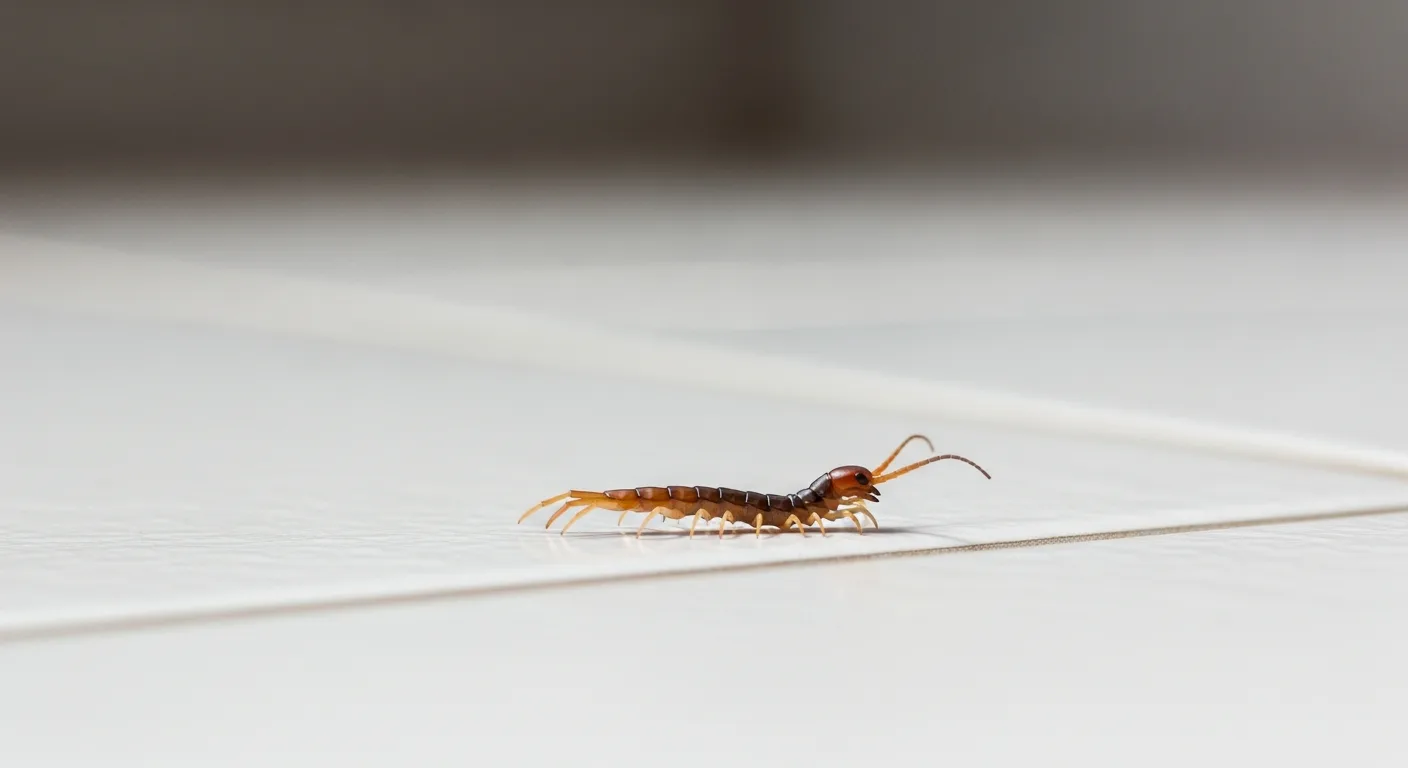
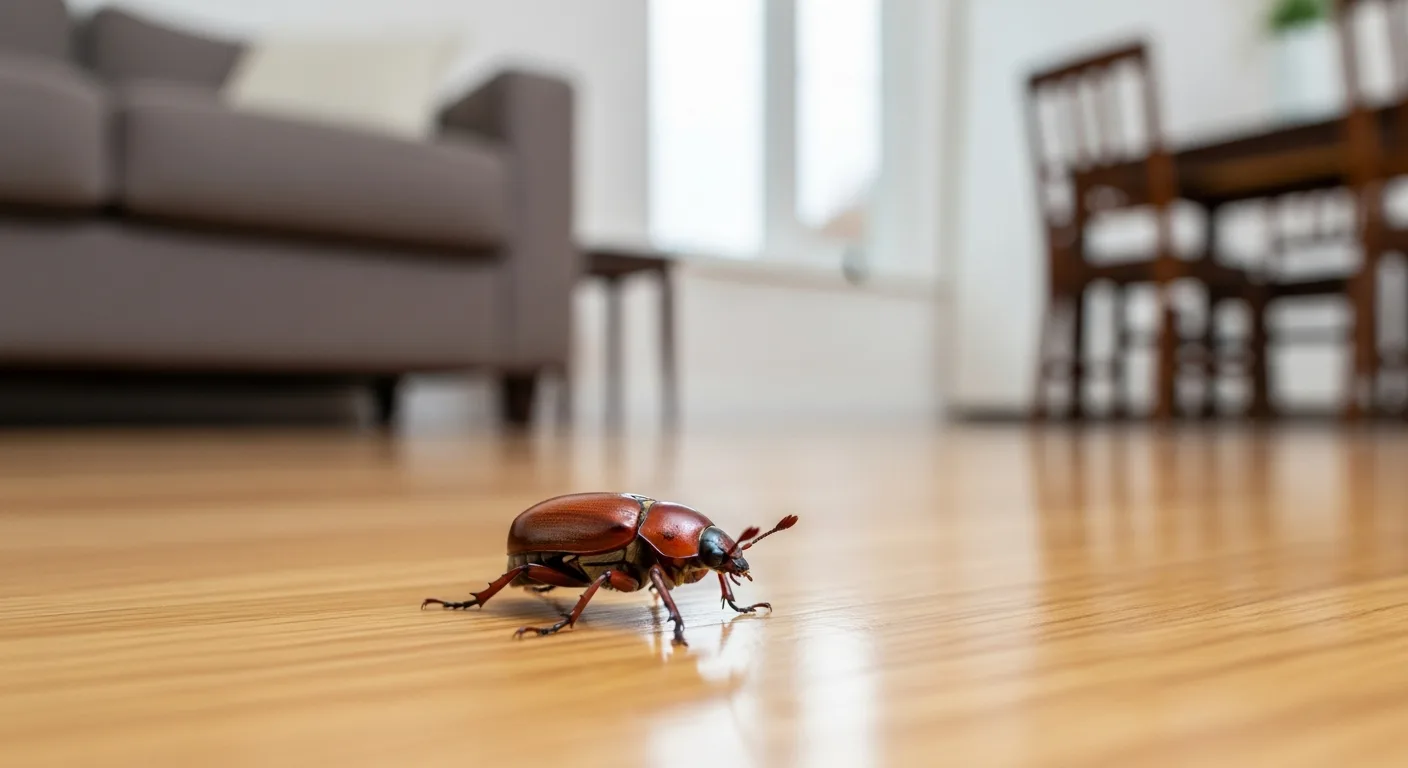
Unlike bed bugs, bird mites are extremely active and move surprisingly fast for their size. A homeowner can often spot them on light-colored surfaces like windowsills, computer screens, or bed sheets. When a homeowner begins managing various household pest control mites and ants, he must first confirm the species to ensure the treatment plan actually works.
Why Bird Mites Invade Homes
Bird mites (Ornithonyssus sylviarum and Dermanyssus gallinae) typically live on the bodies of birds or within their nests. They thrive on the blood of pigeons, starlings, sparrows, and poultry. The problem for a man begins when the young birds leave the nest or the host bird dies. Without a primary food source, thousands of hungry mites migrate from the nesting site into the house in search of a new host.
Common entry points include:
- Attic vents and soffits where birds frequently roost.
- Window air conditioning units that provide a gap for mites to crawl through.
- Chimneys and fireplace flues.
- Gutter systems that haven’t been cleaned, allowing debris to accumulate.
The Difference Between Bird Mites and Bed Bugs
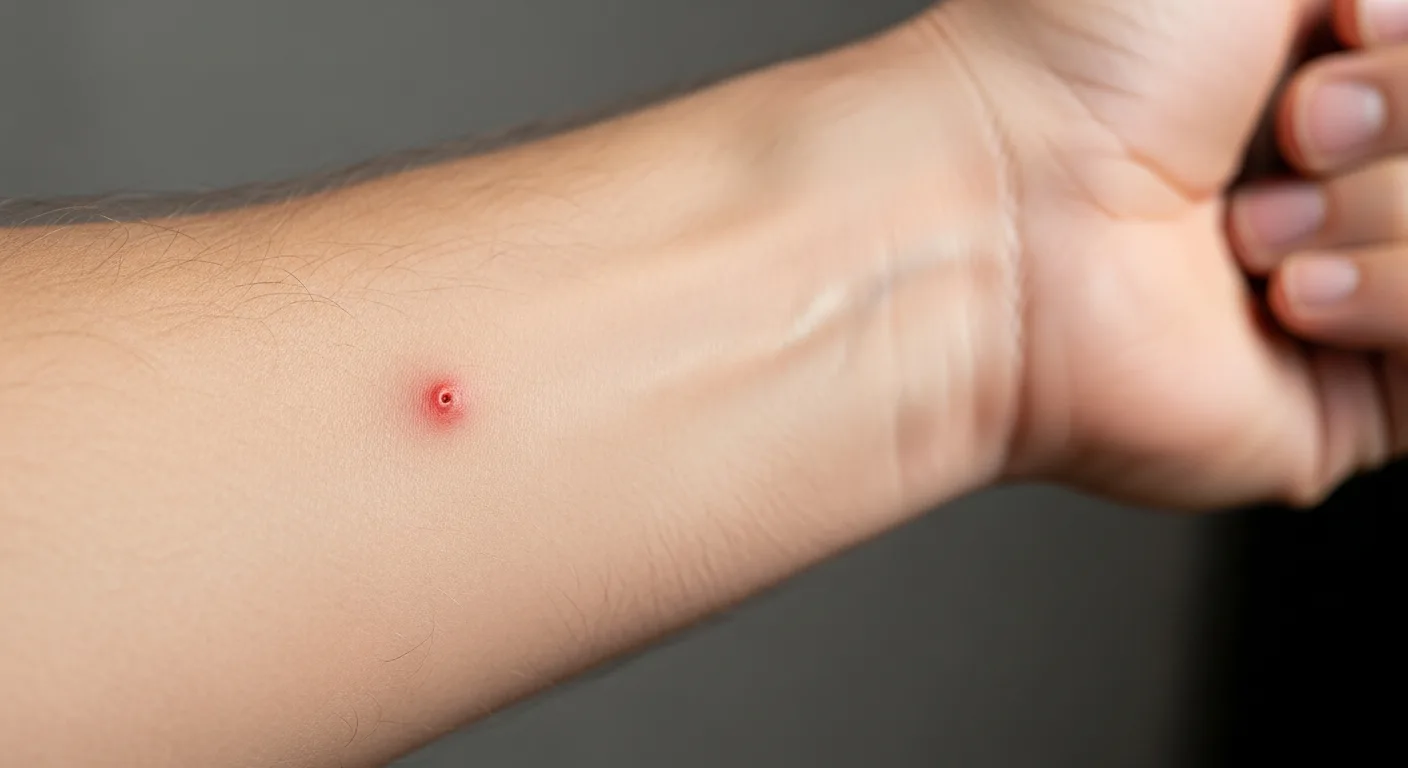
It is easy for a man to confuse these two pests because both cause itchy red welts. However, the behavior of bird mites is distinct. While bed bugs are nocturnal and hide in furniture crevices, bird mites are active throughout the day and night, though their activity often peaks when the house is quiet.
Furthermore, bird mites do not have the “apple seed” shape of a bed bug. They are much smaller and more oval. If he finds that his bites are concentrated around his upper body, neck, and arms, and he has recently dealt with birds on his property, bird mites are the primary suspect.
Step-by-Step Eradication Strategy
Eliminating these pests requires a two-pronged approach: removing the source and treating the interior. While professional help is an option, many men prefer effective DIY pest control methods to handle the situation immediately.
1. Locate and Remove the Nests
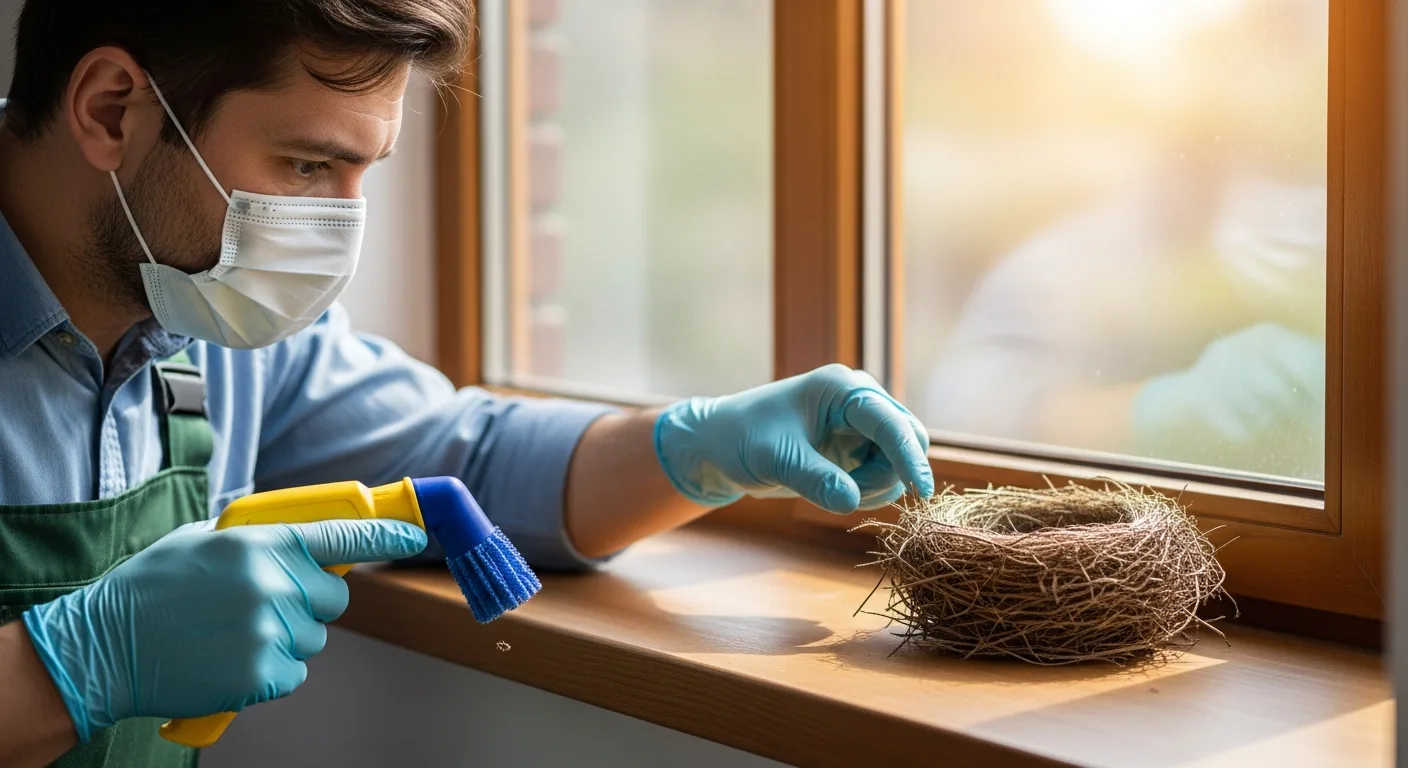
The infestation will never end as long as the nest remains. He should inspect the eaves, roofline, and vents. When he finds the nest, he must wear gloves and a mask to avoid inhaling dander or pathogens. He should place the nest directly into a sealed plastic bag and dispose of it far from the house. After removal, he should spray the area with an acaricide or a strong disinfectant.
2. Deep Clean the Interior
Mites that have already entered the home need to be neutralized. A HEPA-filter vacuum is his best tool. He should vacuum all carpets, rugs, and baseboards daily. It is vital that he empties the vacuum canister or discards the bag outside immediately after use, as the mites can crawl back out.
3. Use Targeted Treatments
Wiping down surfaces with a mixture of isopropyl alcohol or white vinegar can kill mites on contact. For larger areas, he can use specialized mite sprays containing bifenthrin or permethrin. He should focus on window frames, door tracks, and any cracks in the walls where the mites might be traveling.
Preventing Future Infestations
Once the house is clear, he must ensure the birds do not return. This involves structural maintenance and deterrents. He should install bird spikes or netting on ledges where pigeons congregate. Sealing gaps around window AC units with foam or weatherstripping is another essential step.
He should also inspect his attic and crawl spaces for any structural vulnerabilities. Ensuring that all vents are covered with fine-mesh hardware cloth will prevent birds from nesting in the future, effectively cutting off the mites’ pathway into his living environment.
Frequently Asked Questions
Can bird mites live on humans?
No, bird mites cannot complete their life cycle using human blood. While they will bite a man and cause significant skin irritation, they cannot survive or reproduce without a bird host. They usually die off within three weeks if they cannot find a bird.
Do bird mites jump or fly?
Bird mites do not have wings and cannot fly. They also do not jump like fleas. They move by crawling, but they are very efficient at it and can cover significant distances across walls and ceilings to reach a host.
Will a standard bug bomb kill bird mites?
General foggers are often ineffective because they do not penetrate the deep cracks and crevices where mites hide. A man is better off using targeted residual sprays and consistent vacuuming to eliminate the population.
How long can bird mites live without a host?
In a typical indoor environment with average humidity, bird mites can survive for about 7 to 21 days without a bird host. However, if the environment is very humid, they may survive slightly longer.