Why Your Smart Home Needs a Central Brain
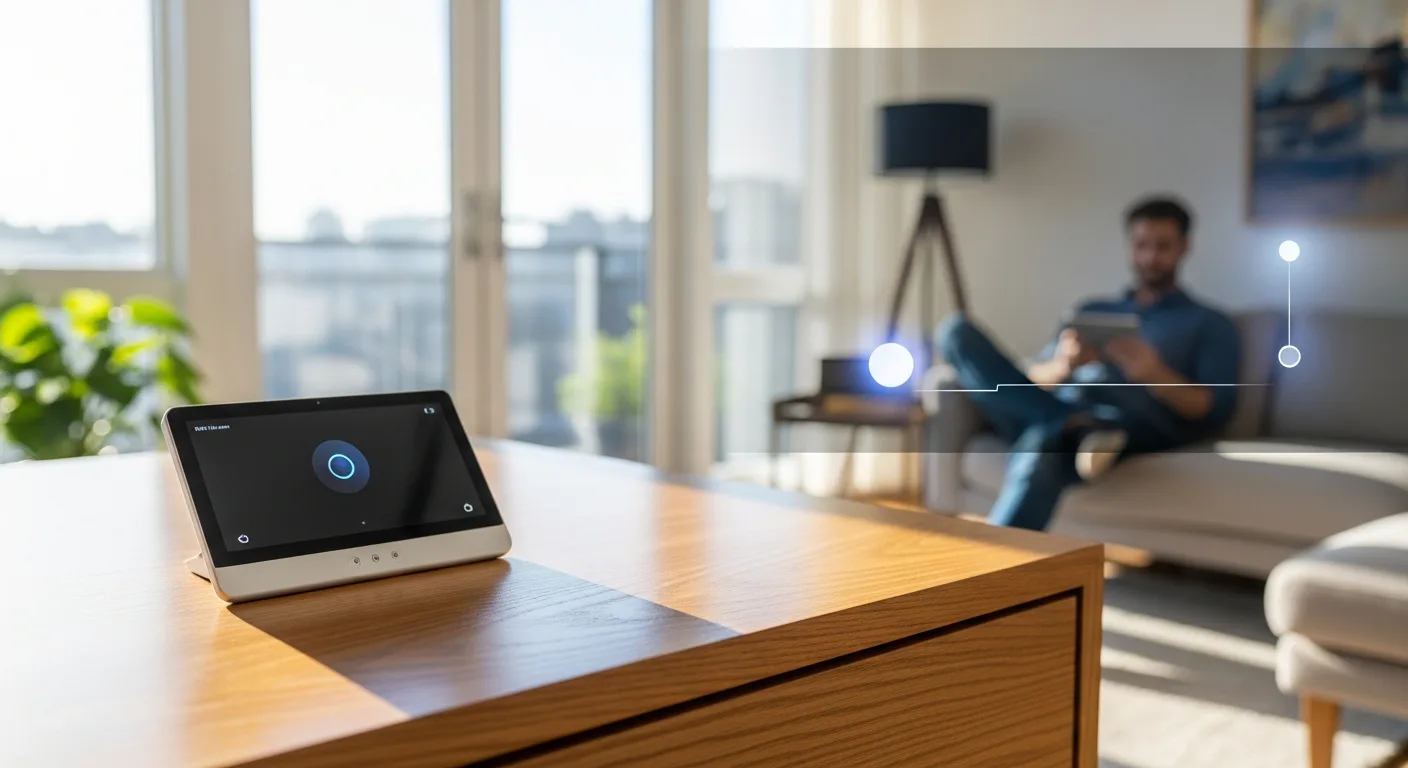
As we move further into 2026, the complexity of the modern household has increased. Gone are the days when a homeowner could manage a few smart bulbs with a simple smartphone app. Today, he requires a sophisticated ecosystem where sensors, security cameras, thermostats, and entertainment systems work in perfect harmony. This is where the smart home hub becomes indispensable. It acts as the central commander, ensuring that every device speaks the same language and executes commands without delay.
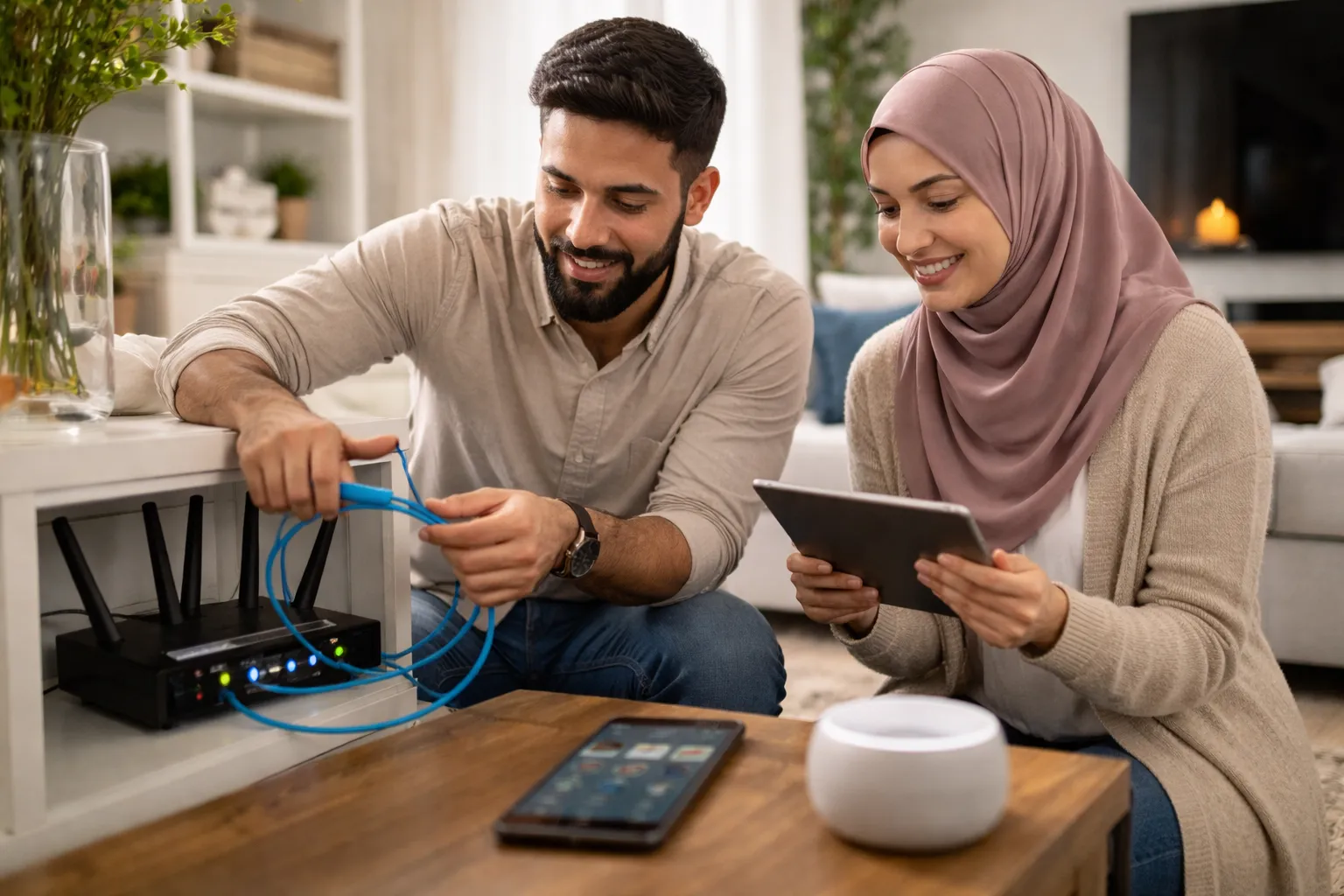
Choosing the right hub is about more than just brand loyalty; it is about infrastructure. A man needs to consider how his devices connect, whether through Wi-Fi, Zigbee, Z-Wave, or the now-standard Matter protocol. By centralizing control, he reduces the strain on his router and ensures that his automation routines run locally, even if the internet connection flickers.
Top Smart Home Hubs for Every User Profile
In the current landscape, several heavyweights have refined their hardware to offer unparalleled reliability. Depending on his technical expertise and the specific devices he owns, one of these options will likely stand out as the superior choice.
Samsung SmartThings Station
Samsung has maintained its lead by offering a hub that is both a powerful controller and a functional piece of hardware. The SmartThings Station supports Matter, Zigbee, and Z-Wave, making it one of the most versatile options on the market. For the user who values multi-functionality, he will appreciate the integrated wireless charging pad on top of the device, allowing him to power his phone while his home runs its morning routine.
Homey Pro (2026 Edition)
For the power user who demands total control and privacy, the Homey Pro remains the gold standard. It processes almost everything locally, meaning a man’s data stays within his four walls. It supports an incredible array of protocols and allows for complex “Flows” that go far beyond simple scheduling. If he wants to dive deep into how different devices communicate within a unified ecosystem, the Homey Pro provides the granular data he craves.
Apple TV 4K & HomePod
Apple has successfully transitioned its media devices into robust home hubs. By utilizing Thread and Matter, the Apple TV 4K serves as a high-performance Border Router. This setup is ideal for the man already invested in the Apple ecosystem, as he can use Siri to manage his environment with high levels of encryption and security.
Key Considerations: Matter and Local Processing
When a homeowner evaluates his options, he should prioritize hubs that support Matter over Thread. This technology has revolutionized the industry by ensuring cross-brand compatibility. No longer does he have to worry if a specific sensor will work with his preferred assistant; if it carries the Matter seal, it is designed to integrate seamlessly.
Furthermore, local processing has become a non-negotiable feature for the serious enthusiast. Relying on the cloud introduces latency and potential security vulnerabilities. A high-quality hub handles the logic internally, ensuring that when he walks into a room, the lights trigger instantly. If he encounters lag, he might find himself optimizing his local network for maximum stability to ensure the hub can communicate effectively with every peripheral.
Building a Future-Proof System
A smart home is an investment in convenience and efficiency. A man should look for a hub that offers expandable memory or frequent software updates to keep up with evolving security standards. He should also consider the physical placement of the hub; placing it centrally in his home ensures that low-power mesh networks like Zigbee can reach every corner of his property without requiring additional repeaters.
Frequently Asked Questions
Do I really need a hub if I only have a few smart bulbs?
While many Wi-Fi bulbs connect directly to a router, a hub is recommended as a man expands his system. It prevents the router from being overwhelmed by dozens of individual connections and allows for more complex automation that Wi-Fi-only setups often struggle to execute reliably.
Is Matter compatible with older Zigbee devices?
Many modern hubs act as a bridge. This means a homeowner can connect his older Zigbee sensors to a Matter-enabled hub, allowing him to keep his existing hardware while benefiting from the newer, more universal control standard.
What happens to my smart home if the internet goes down?
If he has chosen a hub that supports local processing, his pre-set automations and physical switches will continue to function. However, he may lose the ability to control devices remotely via his smartphone until the connection is restored.