Why a High-Quality Paint Sprayer is Essential for the Modern Homeowner
For the man who takes pride in maintaining his property, the transition from a traditional brush to a high-performance paint sprayer is a defining moment. In 2026, technology has advanced to the point where achieving a glass-smooth finish on cabinets or a uniform coat on a backyard fence no longer requires a professional crew. By choosing the right tool, a homeowner can save dozens of hours while ensuring his work stands up to professional scrutiny.
The efficiency of a sprayer is unmatched. Whether he is refreshing a guest room or protecting a new deck, the ability to atomize paint allows him to reach into crevices and textures that a roller simply cannot penetrate. However, selecting the best paint sprayer for home use requires an understanding of different delivery systems and how they interact with various coatings.
Understanding the Technology: HVLP vs. Airless Sprayers
Before a man invests in new equipment, he must determine which technology fits his specific needs. The two primary contenders for home use are High Volume Low Pressure (HVLP) and Airless systems.
HVLP Sprayers for Precision and Detail
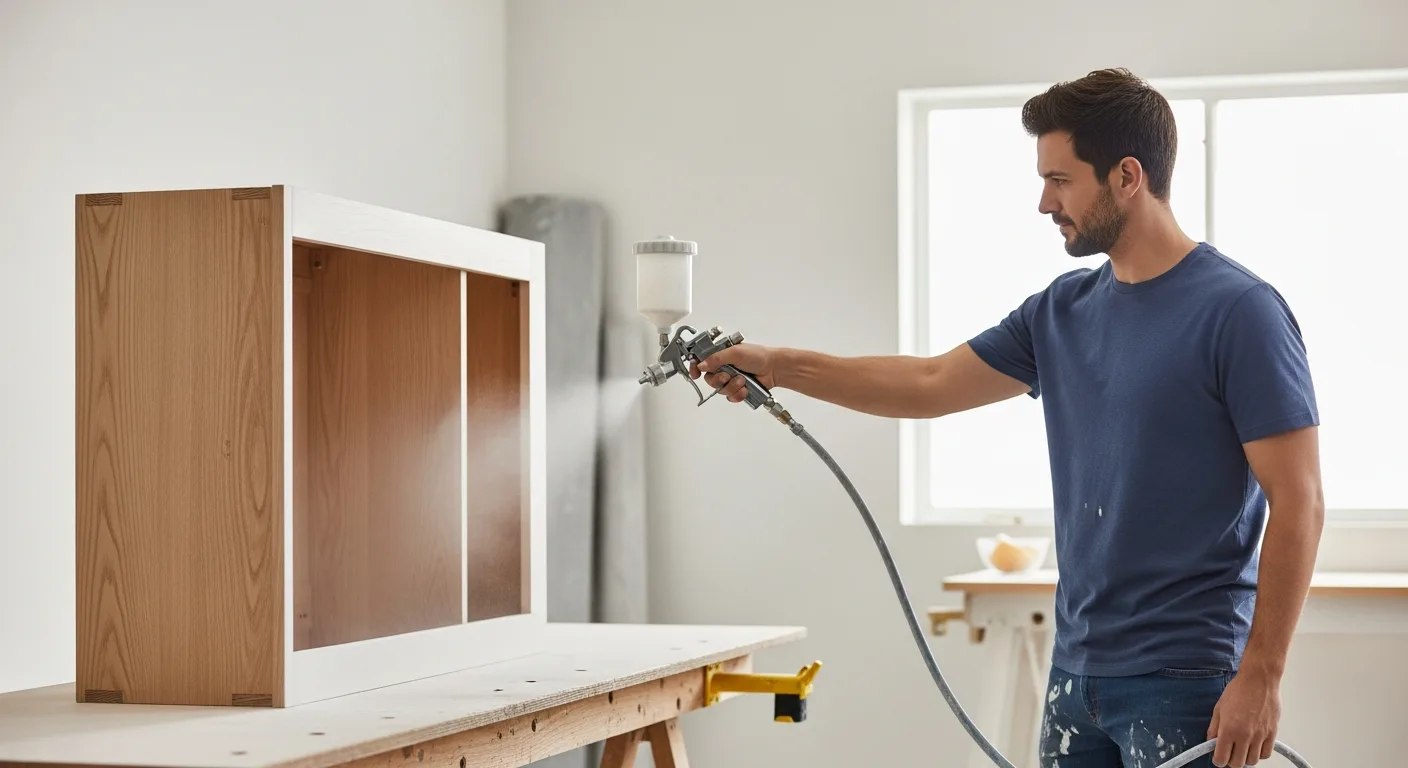
HVLP sprayers are the go-to choice for fine finishing. These units use a high volume of air at a lower pressure to atomize the paint, resulting in significantly less overspray. This makes them ideal for indoor projects where he wants to minimize mess. If he is focused on tackling maintenance on exterior features like doors and skirting, an HVLP system provides the control needed for a drip-free, professional appearance.
Airless Sprayers for Speed and Scale
When the goal is covering large surface areas quickly, the airless sprayer reigns supreme. By pumping paint at incredibly high pressure through a small nozzle, these machines can handle thicker paints—often without the need for thinning. This is the tool he needs for exterior siding or long stretches of fencing. Because of the high pressure, he must be diligent about masking off surrounding areas to protect against the increased drift.
Key Features to Evaluate Before Purchase
To find the best paint sprayer for home use, a man should look beyond the price tag and examine the technical specifications that impact long-term usability.
- Adjustable Pressure Control: A versatile sprayer allows him to dial the pressure up for thick latex or down for thin stains.
- Hose Length and Portability: If he is working on a ladder or moving around a large vehicle, a 25-foot to 50-foot hose provides the mobility he requires.
- Ease of Cleaning: Many modern sprayers in 2026 feature adapters that connect directly to a garden hose, simplifying the cleanup process which is often the most tedious part of the job.
- Nozzle Versatility: The ability to swap tips for different spray patterns and material thicknesses ensures the tool remains useful across multiple projects.
Preparation: The Secret to a Flawless Finish
Even the most expensive sprayer cannot compensate for poor preparation. A man should spend the majority of his time ensuring the surface is ready to receive the coating. This includes sanding down old imperfections and ensuring the area is free of dust and oils. For outdoor projects, a thorough exterior cleaning and power washing session is a vital first step to ensure the new paint adheres properly and lasts for years.
Once the surface is prepped, he should practice his technique on a piece of scrap cardboard. Maintaining a consistent distance—usually 6 to 12 inches—and keeping the sprayer moving in a steady, horizontal motion is key. He should overlap each pass by about 50% to ensure uniform coverage without building up too much material in one spot.
Maintenance Tips for Longevity
A paint sprayer is a precision instrument. To ensure it serves him well for a decade or more, he must never leave paint sitting in the lines. After every use, he should flush the system with the appropriate solvent—water for latex or mineral spirits for oil-based products—until the output runs clear. Periodically, he should apply a light lubricant to the pump and check the filters for any debris that could cause clogs during his next big project.
Frequently Asked Questions
Do I need to thin my paint before using a sprayer?
It depends on the sprayer type. Most HVLP sprayers require the paint to be thinned to a specific viscosity to ensure smooth atomization. Airless sprayers, however, are typically powerful enough to spray unthinned latex paint directly from the bucket.
Is a handheld sprayer better than a stationary unit?
Handheld units are excellent for small furniture projects or quick touch-ups because they are easy to set up. For larger home renovations, a stationary unit with a separate hose and gun is usually better as it reduces hand fatigue for the user.
How do I prevent overspray inside the house?
A man should use high-quality painter’s tape and plastic sheeting to cover everything he doesn’t want painted. Additionally, using an HVLP sprayer at a lower pressure setting significantly reduces the amount of paint particles that float through the air.
Can I use a paint sprayer for staining a deck?
Yes, sprayers are highly effective for stains. They allow the homeowner to drive the protective coating deep into the wood grain much faster than a brush would, providing superior protection against the elements.