The Evolution of Modern Laminate Flooring
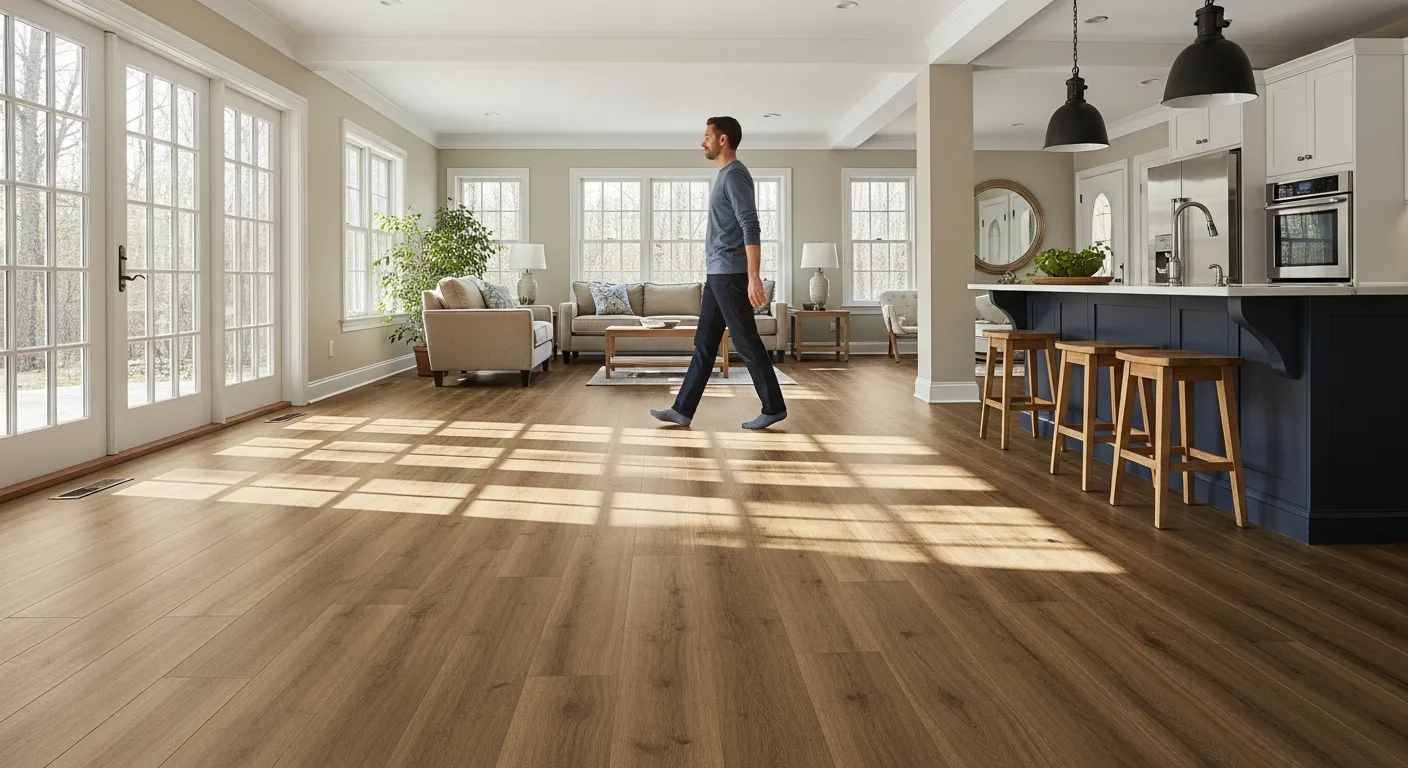
In 2026, laminate flooring has transcended its reputation as a budget alternative to hardwood. Today, it stands as a premier choice for the discerning homeowner who demands a balance of aesthetic sophistication and rugged durability. The best laminate flooring now features high-definition imaging and advanced texturing that makes it nearly indistinguishable from natural timber. When a man evaluates his options, he must look beyond the surface to understand the engineering that makes a floor truly superior.
Key Factors in Selecting High-Performance Laminate
Choosing the right product requires a technical understanding of how these boards are constructed. The performance of laminate is largely determined by its core density and the quality of its wear layer. For those looking for the ultimate longevity, focusing on the Abrasion Class (AC) rating is essential.
- AC3 Rating: Ideal for general residential use, such as bedrooms or dining areas.
- AC4 Rating: The gold standard for busy households, designed to withstand heavy foot traffic and minor impacts.
- AC5 Rating: Primarily for commercial use, though a homeowner may choose this if he anticipates extreme wear from large pets or heavy equipment.
Thickness is another critical variable. While 8mm is common, a 12mm board provides a more substantial feel underfoot and better sound dampening. If a man is considering his options for a basement or kitchen, he might also want to explore more resilient surface options to compare how modern technologies handle moisture across different material types.
Waterproof vs. Water-Resistant Laminate
One of the most significant breakthroughs in recent years is the development of truly waterproof laminate. Traditional laminate was susceptible to swelling if liquid penetrated the seams. However, the best laminate flooring brands now utilize hydrophobic coatings and tighter locking mechanisms to prevent water from reaching the fiberboard core. This innovation allows a man to install laminate in kitchens and even some bathrooms without the constant fear of spills ruining his investment.
How Quality Flooring Impacts Real Estate Value
Installing a high-quality floor is not just about immediate comfort; it is a strategic move for any property owner. When a man invests in top-tier materials, he is effectively enhancing the long-term equity of his residence. Prospective buyers often prioritize floors that are both stylish and low-maintenance, making laminate an excellent choice for a high-return renovation project.
Installation and Underlayment Essentials
The longevity of even the best laminate flooring depends heavily on the installation process. A man should ensure his subfloor is perfectly level before he begins laying the planks. Furthermore, the choice of underlayment can significantly impact the sound and warmth of the room. High-quality foam or cork underlayment provides a thermal barrier and reduces the “hollow” sound sometimes associated with floating floors.
Frequently Asked Questions
What is the best thickness for laminate flooring?
For the best balance of durability and feel, a 12mm thickness is highly recommended. It offers better stability and feels more like solid hardwood underfoot compared to thinner 7mm or 8mm options.
Can laminate flooring be installed over tile?
Yes, a homeowner can install laminate over existing tile as long as the surface is flat, secure, and clean. He should use a proper underlayment to smooth out any grout lines and provide a stable base for the new planks.
How do I clean laminate floors without damaging them?
A man should avoid using steam mops or excessive water on his laminate. Instead, he should use a microfiber mop and a cleaner specifically formulated for laminate surfaces to maintain the protective wear layer and prevent streaks.
Does laminate flooring require an expansion gap?
Yes, laminate is a floating floor system that expands and contracts with temperature changes. A man must leave a small gap (typically 1/4 to 3/8 inch) around the perimeter of the room, which is then covered by baseboards or quarter-round molding.