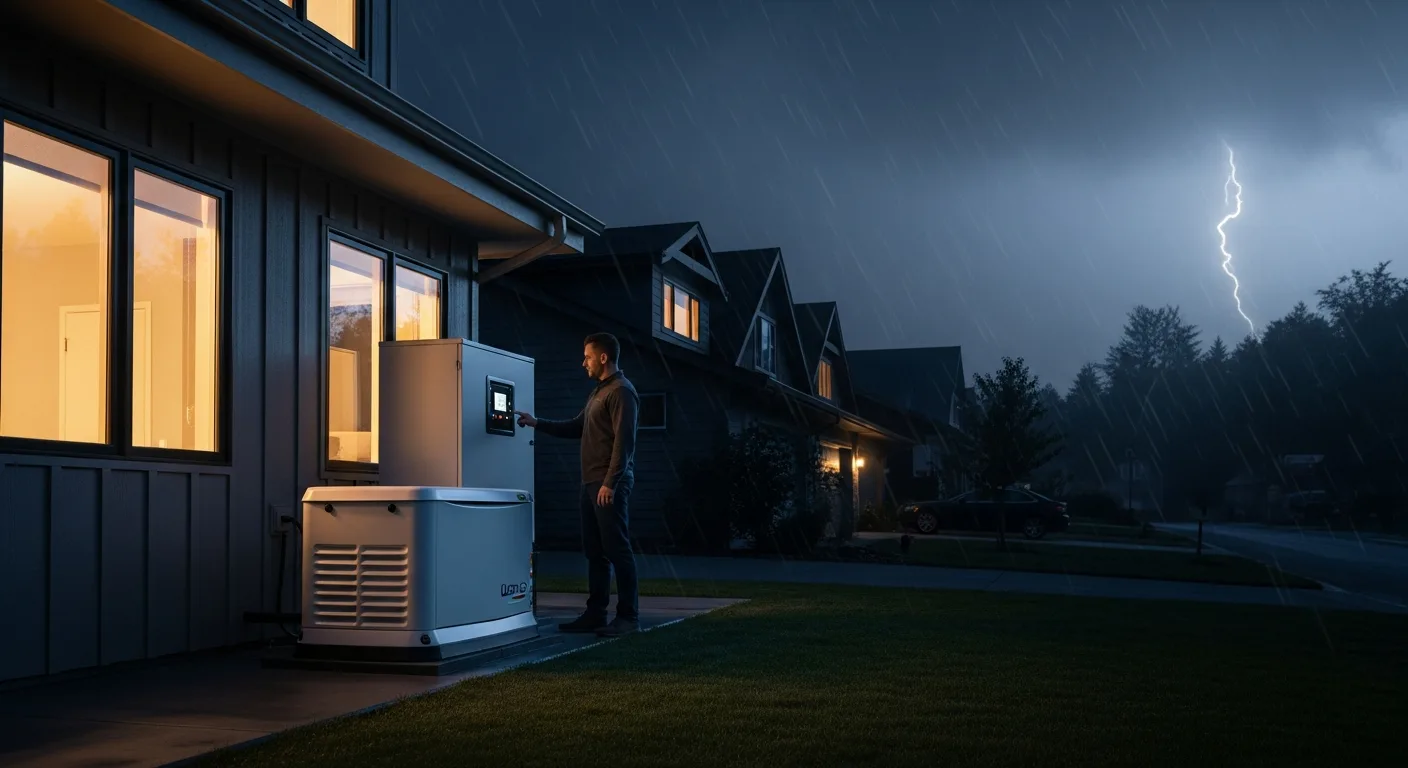
The Critical Role of Backup Power in 2026
As our reliance on digital infrastructure and smart home technology reaches new heights in 2026, a power outage is no longer just a minor inconvenience; it is a significant disruption to a man’s professional and personal life. Whether he is managing a remote business or maintaining a climate-controlled environment for his family, the best home generator is the one that provides seamless transition and enough wattage to keep essential systems running.
When a homeowner begins his journey into emergency preparedness, he should consult home emergency safety checklists to ensure no detail is overlooked. A generator is the heart of any resilience plan, but its effectiveness depends entirely on correct sizing and fuel selection.
Understanding the Different Types of Home Generators
To identify the ideal solution for his property, a man must first distinguish between the three primary categories of backup power. Each serves a specific purpose depending on the duration of the outage and the complexity of the electrical load.
Whole-House Standby Generators
A standby generator is a permanent fixture installed outside the home, much like an air conditioning unit. It is connected directly to the home’s electrical panel and is powered by natural gas or liquid propane. The primary advantage for the homeowner is the automatic transfer switch; he does not need to be present to start the machine. It senses a power drop and restores electricity within seconds.
Portable Dual-Fuel Generators
For the man who values versatility or is on a stricter budget, a portable dual-fuel generator is an excellent choice. These units typically run on both gasoline and propane. While they require manual setup and the use of heavy-duty extension cords (or a manual transfer switch), they offer the flexibility of being moved around the property or even used for off-grid projects.
Solar Power Stations
In 2026, solar technology has advanced to the point where high-capacity battery backups are viable for short-term outages. These are silent, emission-free, and can be recharged via solar panels. While they may not power a central HVAC system for days, they are perfect for keeping a man’s communication devices and medical equipment operational.
How to Calculate Your Power Requirements
Choosing the best home generator requires a precise understanding of wattage. A man should not guess his needs, as under-sizing a generator can damage sensitive electronics, while over-sizing leads to wasted fuel and unnecessary expense. Modern homes often require specialized electrical upgrades for high-capacity equipment to handle the surge loads of modern appliances.
- Starting Wattage: The extra power needed to start motor-driven appliances like refrigerators or sump pumps.
- Running Wattage: The continuous power needed to keep lights, routers, and televisions functioning.
- Essential vs. Luxury: He must decide if he only needs to keep the food cold and the lights on, or if he requires full HVAC functionality during a summer heatwave.
Key Features to Look for in a Premium Unit
Once the wattage is determined, he should look for specific features that enhance the longevity and safety of the unit. Electronic Fuel Injection (EFI) is a highly recommended feature for portable units as it eliminates carburetor issues and improves cold-weather starting. For standby units, a Remote Monitoring System is essential, allowing a man to check the status of his generator from his smartphone while he is away at the office.
Safety is paramount. He must ensure any portable unit he selects features a built-in carbon monoxide sensor that automatically shuts the engine down if CO levels become dangerous. Furthermore, he should prioritize units with a Low Oil Shutdown feature to protect his investment from engine failure.
Installation and Maintenance Essentials
Proper installation is the difference between a reliable system and a fire hazard. A standby generator must be installed by a licensed electrician who understands local building codes. He will ensure the unit is placed the correct distance from windows and vents to prevent exhaust fumes from entering the living space.
Maintenance is equally critical. A man should run his generator at least once a month for twenty minutes to keep the internal components lubricated and the battery charged. He should also keep a surplus of oil and filters on hand, as these items become difficult to find during widespread regional emergencies.
Frequently Asked Questions
What size generator do I need for a 2,000 sq. ft. home?
For most 2,000 square foot homes, a 15kW to 20kW standby generator is sufficient to power the entire house, including the air conditioning. If he only wishes to power essentials like the fridge and lights, a 7,500-watt portable unit will suffice.
Is a standby generator better than a portable one?
A standby generator is superior in terms of convenience and power capacity, as it starts automatically and runs on a continuous fuel supply. However, a portable generator is more affordable and offers the benefit of mobility for different tasks.
How long can a home generator run continuously?
A standby generator running on natural gas can run for weeks, provided it is shut down every 24 hours for a quick oil level check. A portable generator’s runtime is limited by its fuel tank size, typically lasting 8 to 12 hours per fill.
Do I need a transfer switch for a portable generator?
Yes, a transfer switch is the only safe way to connect a generator to a home’s electrical system. It prevents backfeeding, which can be fatal to utility workers, and allows a man to power hardwired appliances like the furnace or well pump.