The Evolution of Residential Entry Systems
In 2026, the concept of the ‘smart home’ has evolved far beyond simple voice-activated lights. Today, the modern man seeks efficiency and seamless transitions throughout his living space. One of the most significant upgrades he can make is the installation of an automatic door opener for home use. No longer reserved for commercial buildings or hospitals, these systems provide a level of convenience and sophistication that defines contemporary living.
An automatic door opener allows a homeowner to enter or exit a room without ever touching a handle. Whether he is carrying heavy boxes into his workshop or simply moving between the kitchen and the patio with a tray of drinks, the hands-free operation ensures that his workflow remains uninterrupted. This technology utilizes sophisticated sensors or remote triggers to actuate the door mechanism smoothly and quietly.
Key Benefits for the Modern Homeowner
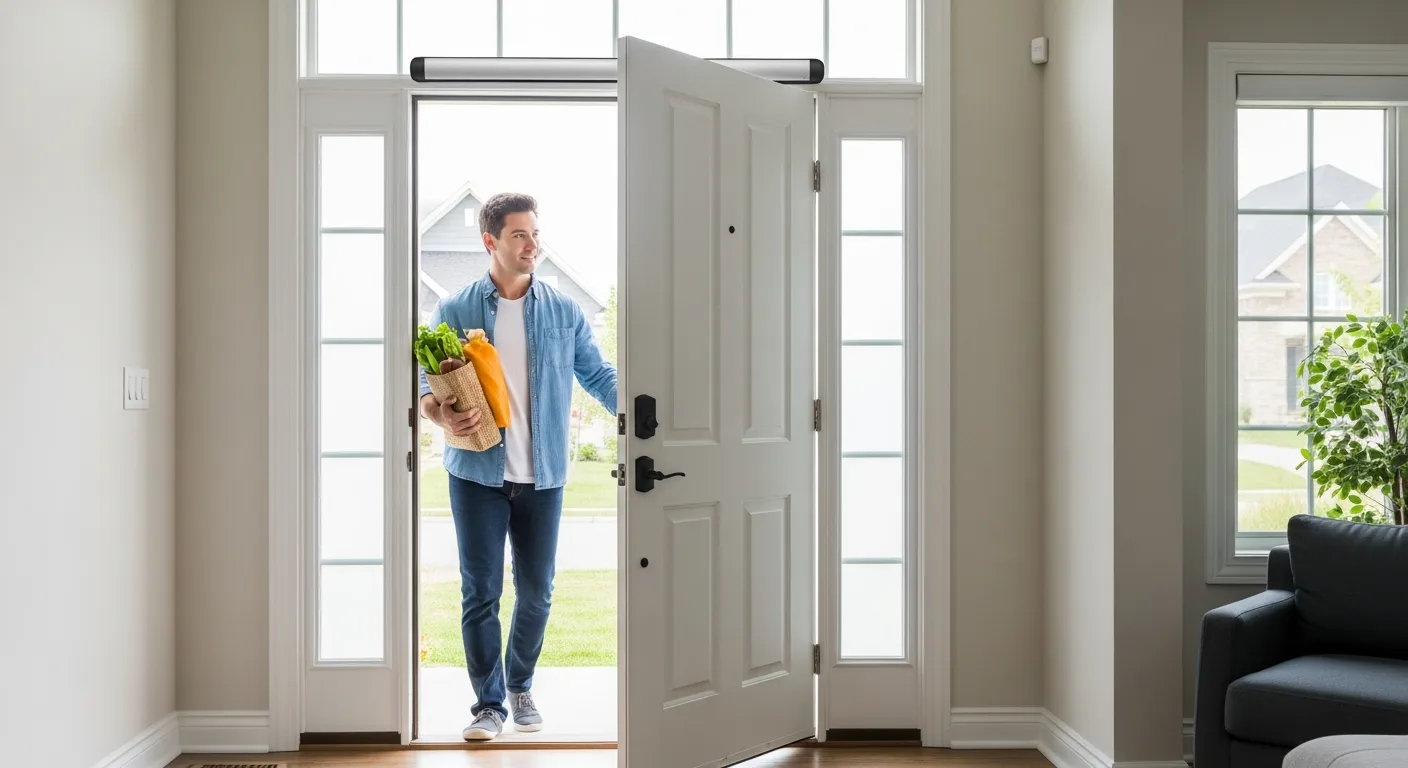
The primary advantage of installing an automatic door opener for home is the immediate boost to convenience. Imagine a man returning from a long trip, his hands full of luggage; as he approaches his front door, it swings open to welcome him. This is not just a luxury; it is a practical solution for various daily scenarios.
- Hands-Free Operation: Ideal for when he has his hands full with groceries, tools, or sports equipment.
- Improved Hygiene: By eliminating the need to touch door handles, he reduces the spread of germs within his household.
- Quiet Performance: Modern brushless motors ensure that the door operates with a whisper-quiet motion, maintaining the peace of his home environment.
- Customizable Settings: Most high-end units allow him to adjust the opening speed, hold-open time, and sensor sensitivity to match his specific needs.
Furthermore, these systems are a cornerstone of improving home accessibility and independence for the modern man. If he is recovering from an injury or planning for long-term residency, removing physical barriers like heavy doors ensures he can navigate his space with dignity and ease.
Types of Automatic Door Openers for Home Use
When selecting a system, he must consider the architecture of his residence. There are two primary categories of residential door automation:
Swing Door Operators
These are the most common for internal and external residential doors. The unit is typically mounted at the top of the door frame. It uses a motorized arm to push or pull the door open. These are relatively easy to retrofit onto existing doors, making them a favorite for DIY enthusiasts who want a high-impact upgrade without a full renovation.
Sliding Door Systems
Often used for patio entries or modern interior dividers, automatic sliding door openers are sleek and space-saving. They are particularly useful in tight hallways where a swinging door would obstruct movement. He can integrate these into his existing tracks, allowing for a futuristic aesthetic that complements a minimalist design.
Smart Home Integration and Voice Control
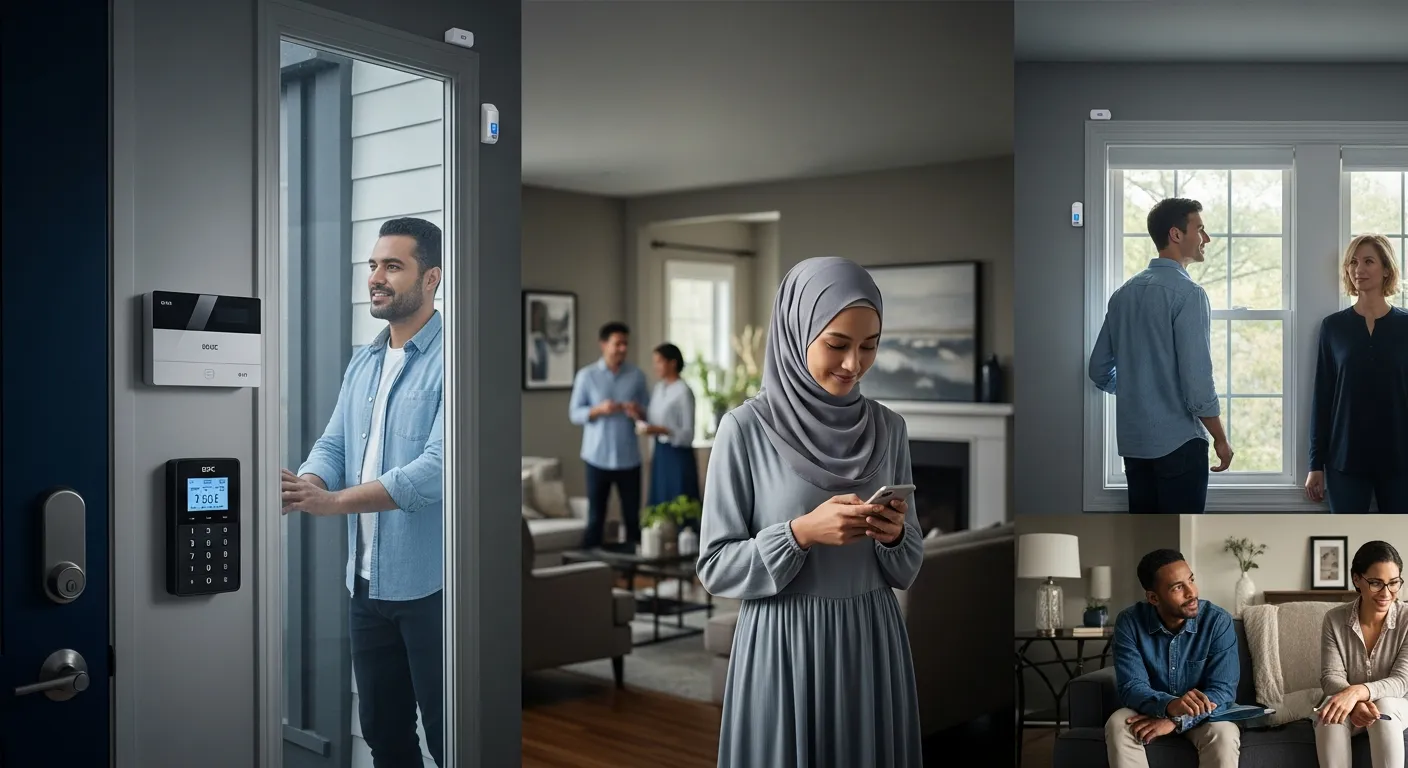
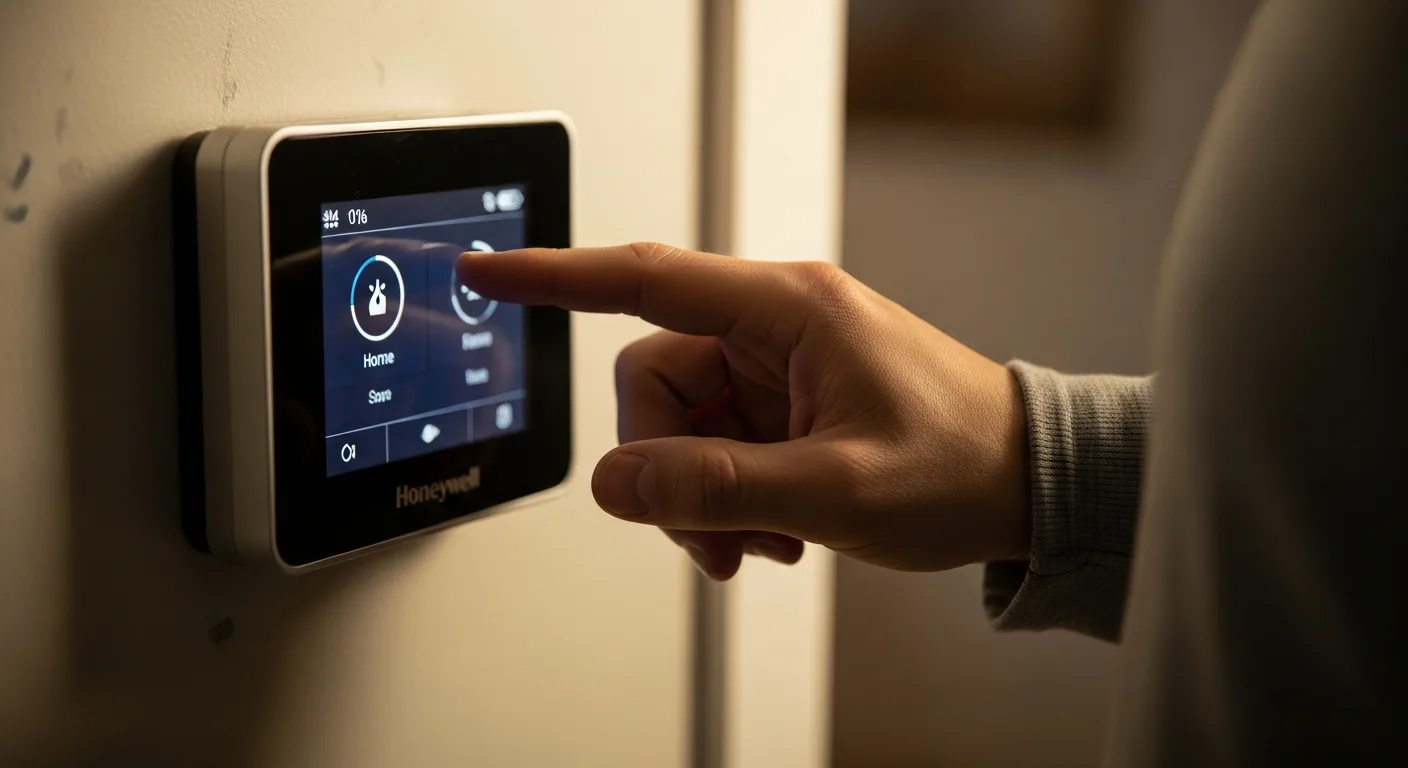
The true power of an automatic door opener for home is realized when it becomes part of a broader smart home integration strategy. By 2026, most premium door operators are compatible with major smart hubs. This allows a man to control his entryways via voice commands or through a dedicated smartphone app.
For instance, he can set a ‘Welcome Home’ routine that unlocks the deadbolt and swings the door open as his phone’s GPS signals his arrival. Security is also enhanced, as many systems can be programmed to lock automatically once the door is closed, providing him with peace of mind that his perimeter is always secure.
Installation and Maintenance Considerations
While many kits are designed for straightforward installation, he should ensure that his door is properly balanced and that the hinges are in good condition before mounting the operator. A well-maintained door ensures the motor doesn’t have to work harder than necessary, extending the lifespan of the equipment.
Maintenance is generally minimal. He should periodically wipe down the sensors to ensure they aren’t obstructed by dust and check the battery in his remote control. Most modern units also feature a manual override, so if the power goes out, he can still operate the door by hand without any resistance from the motor.
Frequently Asked Questions
Can an automatic door opener be installed on any door?
Most standard interior and exterior doors can accommodate an automatic opener. However, he should check the weight of the door to ensure the motor is rated for it. Heavy solid oak or reinforced steel doors may require a high-torque commercial-grade residential unit.
What happens if there is a power outage?
Modern systems are designed with safety in mind. Most include a ‘fail-safe’ or ‘fail-secure’ mechanism that allows the door to be opened manually during a power failure. Additionally, some premium models come with a battery backup that provides several hours of operation without mains power.
Is it possible to adjust how long the door stays open?
Yes, almost all residential automatic door openers feature an adjustable ‘dwell time.’ He can program the door to stay open for just a few seconds or for a longer duration if he needs more time to pass through with bulky items.
Are these systems pet-friendly?
Many systems use motion sensors that can be adjusted for sensitivity. He can calibrate the sensor to ignore smaller movements at floor level, preventing the door from opening every time his dog walks by, or he can use a remote-only trigger for total control.