The Evolution of Modern Home-Based Healthcare
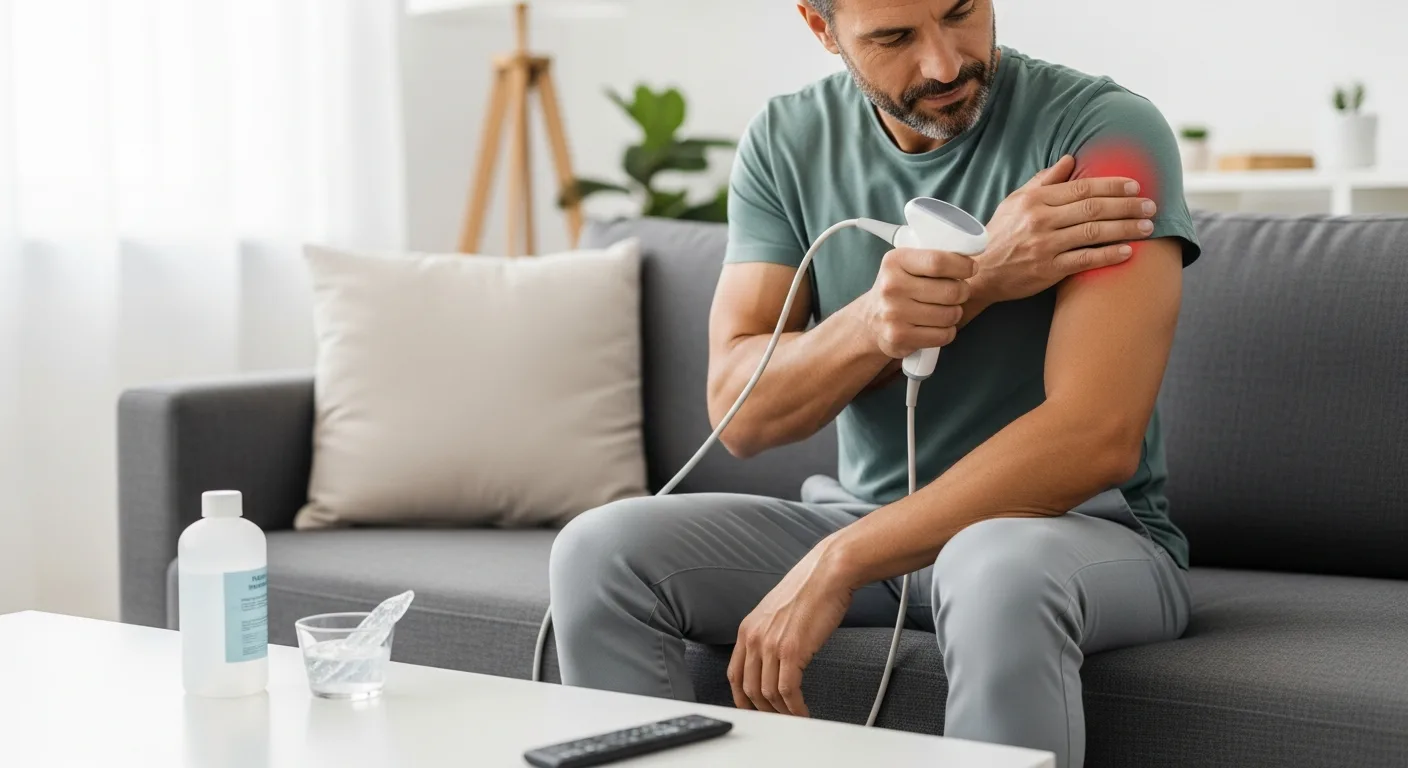
In 2026, the shift toward at home medical care has transformed how a patient manages his recovery and long-term health. No longer confined to clinical environments for routine monitoring, a man can now access sophisticated care within the comfort of his own residence. This transition is driven by advancements in medical technology and a growing preference for personalized, private recovery spaces.
When he chooses to move his care plan home, he gains more than just comfort; he gains autonomy. However, success in this environment requires a structured approach to managing supplies, technology, and communication with his healthcare providers. Understanding the components of a robust home setup is essential for ensuring safety and clinical efficacy.
Essential At Home Medical Equipment for Recovery
The foundation of any successful home care plan is the hardware. Depending on his specific needs, a man might require anything from basic mobility aids to complex life-support systems. Ensuring that he has the right tools on hand prevents complications and speeds up the healing process.
For those dealing with chronic conditions or post-operative recovery, selecting the right specialized home care medical equipment is the first step toward stability. This might include:
- Hospital-grade beds: Designed to prevent pressure sores and assist him in sitting up or exiting the bed safely.
- Oxygen Concentrators: Vital for men managing respiratory issues, ensuring a steady supply of purified air.
- Infusion Pumps: Allowing him to receive necessary medications intravenously without a daily trip to the clinic.
- Monitoring Stations: Integrated systems that track his heart rate, blood pressure, and oxygen saturation in real-time.
Navigating Telehealth and Remote Monitoring
Technology has bridged the gap between the doctor’s office and the living room. For the modern man, telehealth is no longer a novelty but a primary point of contact. By utilizing digital platforms, he can consult with his specialist, share data, and adjust his treatment plan without the physical strain of travel.
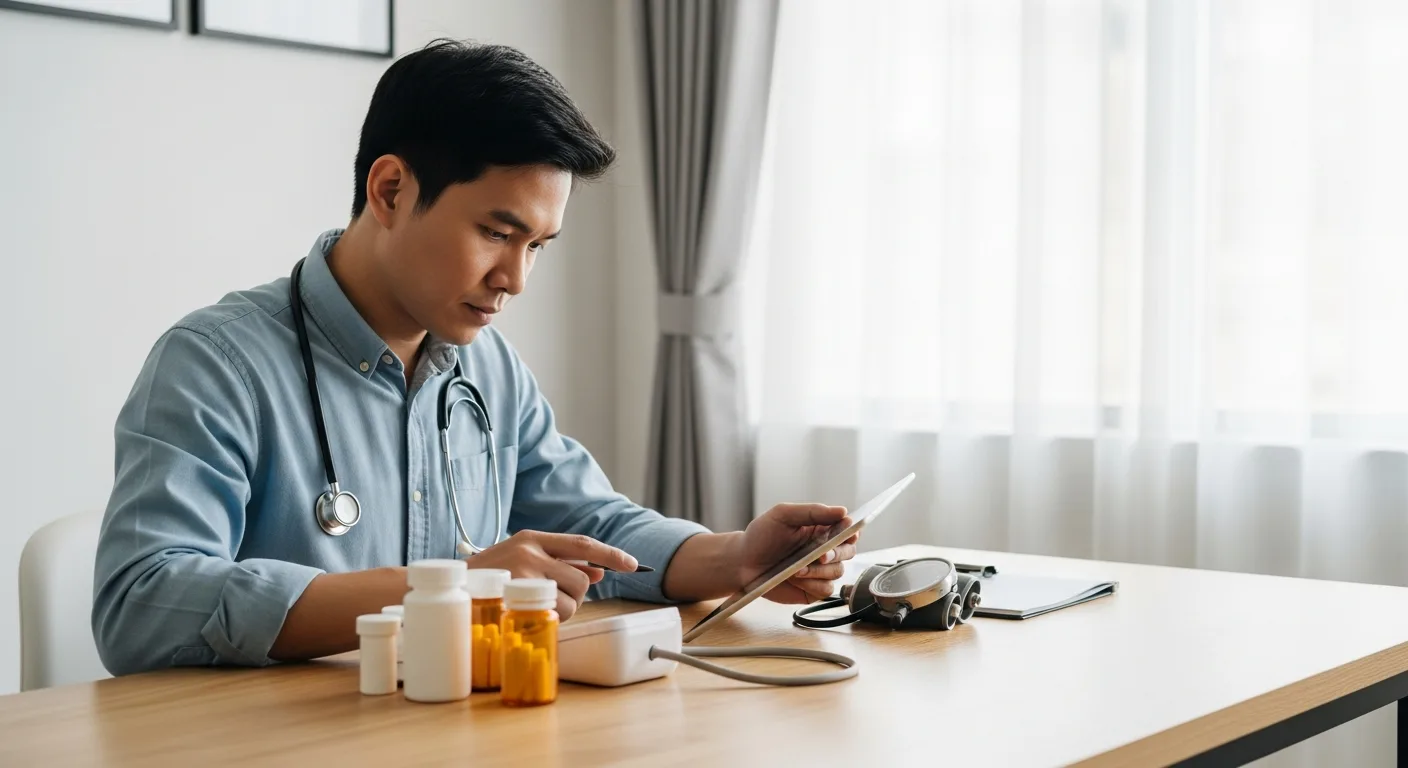
Furthermore, utilizing modern at-home health testing kits allows him to track vitals and metabolic markers with professional accuracy. These tools empower him to be an active participant in his own health management. When he identifies a trend—such as a steady rise in blood glucose or a shift in blood pressure—he can immediately transmit this data to his physician for intervention.
Maintaining Professional Standards in a Home Setting
One of the challenges of at home medical care is maintaining the same level of hygiene and organization found in a hospital. He must ensure that his environment is conducive to healing. This involves creating a dedicated space for medical supplies, ensuring all surfaces are sanitized, and keeping a meticulous log of his medications and dosages.
Organization is key to safety. He should have a clear schedule for when his equipment needs maintenance and when his supplies need restocking. By taking a proactive role in these logistics, he minimizes the risk of equipment failure or running out of critical medication at an inopportune time.
The Importance of a Support Network
While the focus is often on the patient himself, he rarely manages his care in a total vacuum. He may work with home health aides, physical therapists, or family members who assist him with daily tasks. It is vital that he communicates his needs clearly to his support team. He should ensure that everyone involved in his care is trained on the specific medical devices he uses and understands the emergency protocols established by his doctor.
Frequently Asked Questions
What are the primary benefits of at home medical care for a patient?
At home medical care allows a man to recover in a familiar, low-stress environment, which can significantly improve psychological well-being. It also reduces his exposure to hospital-acquired infections and allows for a more flexible, personalized daily routine.
Is home medical equipment covered by insurance in 2026?
In most cases, if a physician deems the equipment medically necessary for his treatment, insurance providers will cover a significant portion of the cost. He should check his specific policy for details on durable medical equipment (DME) coverage.
How does he ensure his medical data remains private when using remote monitoring?
He should use encrypted, HIPAA-compliant platforms provided by his healthcare network. Ensuring his home Wi-Fi is secure and using two-factor authentication on his health portals are also critical steps he can take to protect his personal information.
Can complex procedures be managed at home?
While major surgeries still require a hospital, many complex follow-up treatments, such as dialysis, wound care, and long-term IV therapy, can now be safely managed at home with the assistance of a trained professional or through specialized automated systems.