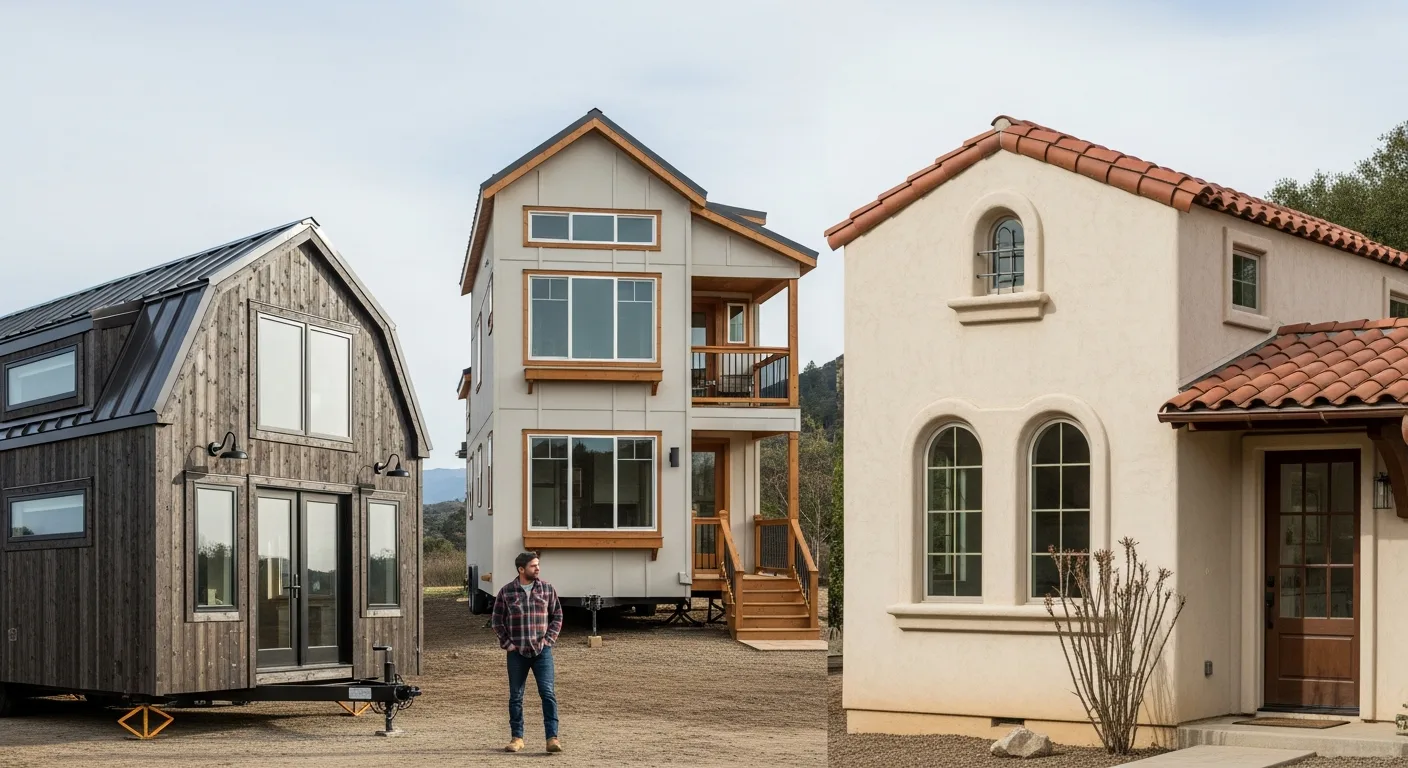
Building a modular home on foundation is a smart, efficient way to create a durable and customizable living space. Unlike traditional site-built homes, modular homes are constructed in sections in a factory and then assembled on-site, offering faster build times and often lower costs. However, the foundation is a critical component that determines the home’s stability, energy efficiency, and long-term value. Whether you’re planning a new build or considering modular additions for existing homes, understanding foundation options, costs, and installation processes is essential. This guide covers everything from basement foundations to cost breakdowns and expansion possibilities, helping you make informed decisions for your project.
A modular home on foundation typically uses a basement, crawl space, or slab foundation, with costs ranging from $5,000 to $30,000+. Basements add living space and value, while modular additions can expand existing homes. Proper planning and professional installation are key to success.
Types of Modular Home Foundations
Choosing the right foundation for your modular home is crucial for structural integrity and functionality. The three main types are basement, crawl space, and slab foundations, each with unique benefits and considerations. A modular home with basement, for example, offers extra living or storage space but requires more excavation and higher costs. Understanding these options helps align your foundation choice with your budget, climate, and long-term needs.
- Basement Foundations: Provide additional living space, ideal for utilities or extra rooms.
- Crawl Space Foundations: Elevate the home for easier access to plumbing and electrical systems.
- Slab Foundations: Offer a cost-effective, low-maintenance option suitable for warmer climates.
Cost Breakdown for Modular Home Foundations
The modular home foundation cost varies widely based on type, size, and location. On average, expect to pay between $5,000 and $30,000 or more. Basements are the most expensive due to excavation and materials, while slabs are often the cheapest. Factors like soil conditions, labor rates, and permits also impact the total. Budgeting accurately ensures your project stays on track without surprises.
- Basement Foundation: $10,000–$30,000+
- Crawl Space Foundation: $8,000–$20,000
- Slab Foundation: $5,000–$15,000
| Foundation Type | Average Cost | Best For |
|---|---|---|
| Basement | $10,000–$30,000+ | Cold climates, extra space |
| Crawl Space | $8,000–$20,000 | Accessible utilities, moderate climates |
| Slab | $5,000–$15,000 | Warm climates, budget-friendly |
Adding Modular Additions to Existing Homes
Modular additions for existing homes are a popular way to expand living space without the hassle of traditional construction. These prefabricated sections can include extra rooms, sunrooms, or even second stories, seamlessly blending with your current structure. Planning is key—ensure the foundation can support the addition and comply with local building codes. For more on home expansions, check out our home addition estimator guide to streamline your project.
- Room Additions: Add bedrooms, bathrooms, or living areas quickly.
- Sunrooms or Decks: Enhance outdoor living with modular designs.
- Second Stories: Increase square footage without expanding the footprint.
Installation and Preparation Steps
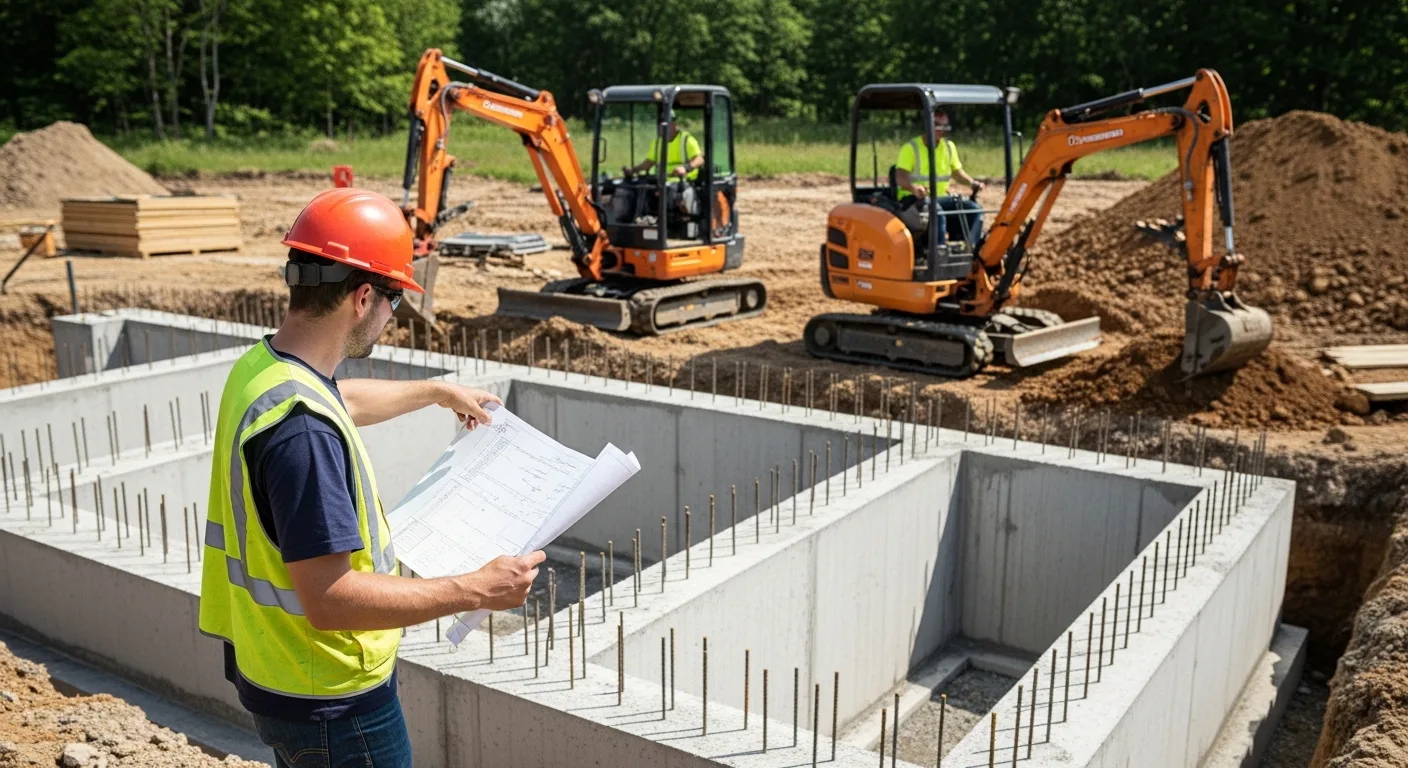
Installing a modular home on foundation involves careful preparation to ensure a smooth process. Start with site evaluation and soil testing, then proceed with excavation and foundation pouring. Coordination with the modular manufacturer is essential for timely delivery and assembly. Proper installation prevents issues like settling or moisture problems, similar to techniques used in mobile home installation for stability.
- Site evaluation and permits
- Excavation and foundation construction
- Delivery and assembly of modular sections
- Final inspections and utilities connection
Benefits of a Modular Home with Basement
A modular home with basement offers numerous advantages, from extra living space to improved energy efficiency. Basements provide a stable environment for utilities and storage, and they can be finished into recreational areas or guest suites. This option is especially valuable in colder regions, where deeper foundations protect against frost. For insights into other home styles, explore our modern log home designs for inspiration.
- Additional Space: Use for storage, laundry, or living areas.
- Energy Efficiency: Basements help regulate indoor temperatures.
- Increased Home Value: Adds resale appeal and functionality.
Common Challenges and Solutions
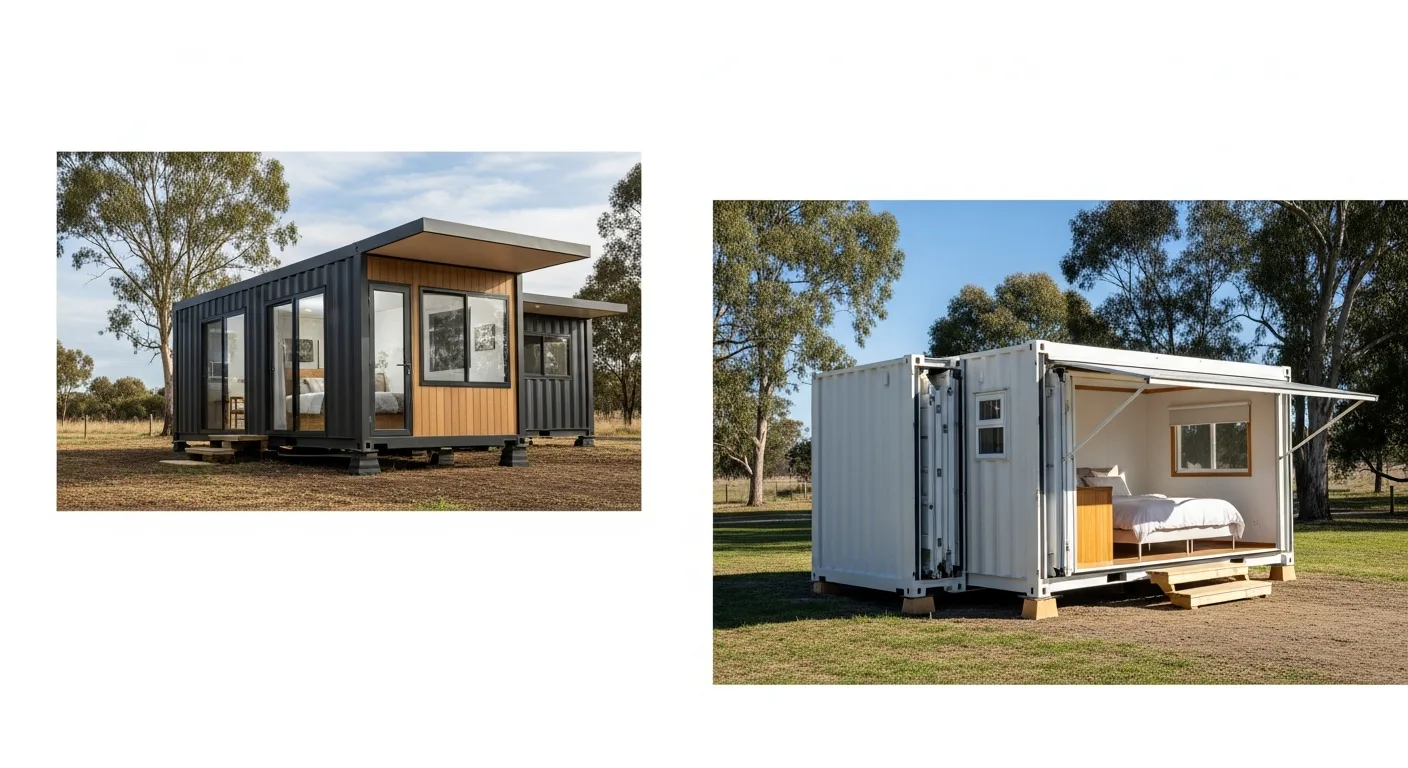
Building a modular home on foundation can present challenges, such as soil instability or weather delays. Addressing these proactively ensures a successful project. For example, poor soil may require reinforced foundations, while scheduling delays can be mitigated with flexible planning. Learning from other construction methods, like those in modern container homes, can offer innovative solutions.
- Soil testing to prevent settling issues
- Weather-resistant scheduling for deliveries
- Professional inspections to meet building codes
FAQs About Modular Home Foundations
What is the average cost of a modular home foundation?
The average modular home foundation cost ranges from $5,000 to $30,000+, depending on the type. Basements are the most expensive, while slabs are more affordable.
Can I add a basement to an existing modular home?
Adding a basement to an existing modular home is possible but complex and costly. It requires lifting the home and excavating, so consult a professional for feasibility.
Are modular additions for existing homes customizable?
Yes, modular additions for existing homes are highly customizable. They can be designed to match your home’s style and include features like windows or insulation.
How long does it take to install a modular home on foundation?
Installation typically takes 2–6 weeks, including site prep and assembly. Factors like weather and permits can affect the timeline.
What foundation is best for a modular home in cold climates?
A basement foundation is often best for cold climates, as it protects against frost and provides insulated living space below ground.
Do modular homes with basements require special permits?
Yes, modular homes with basements usually require permits for excavation and construction. Check local regulations to ensure compliance.
Can I build a modular home on a sloping lot?
Yes, but it may require a customized foundation like a daylight basement or piers. Site evaluation is crucial for stability.
How do modular home foundations compare to traditional ones?
Modular home foundations are similar to traditional ones in materials and methods but may be installed faster due to prefabricated home sections.