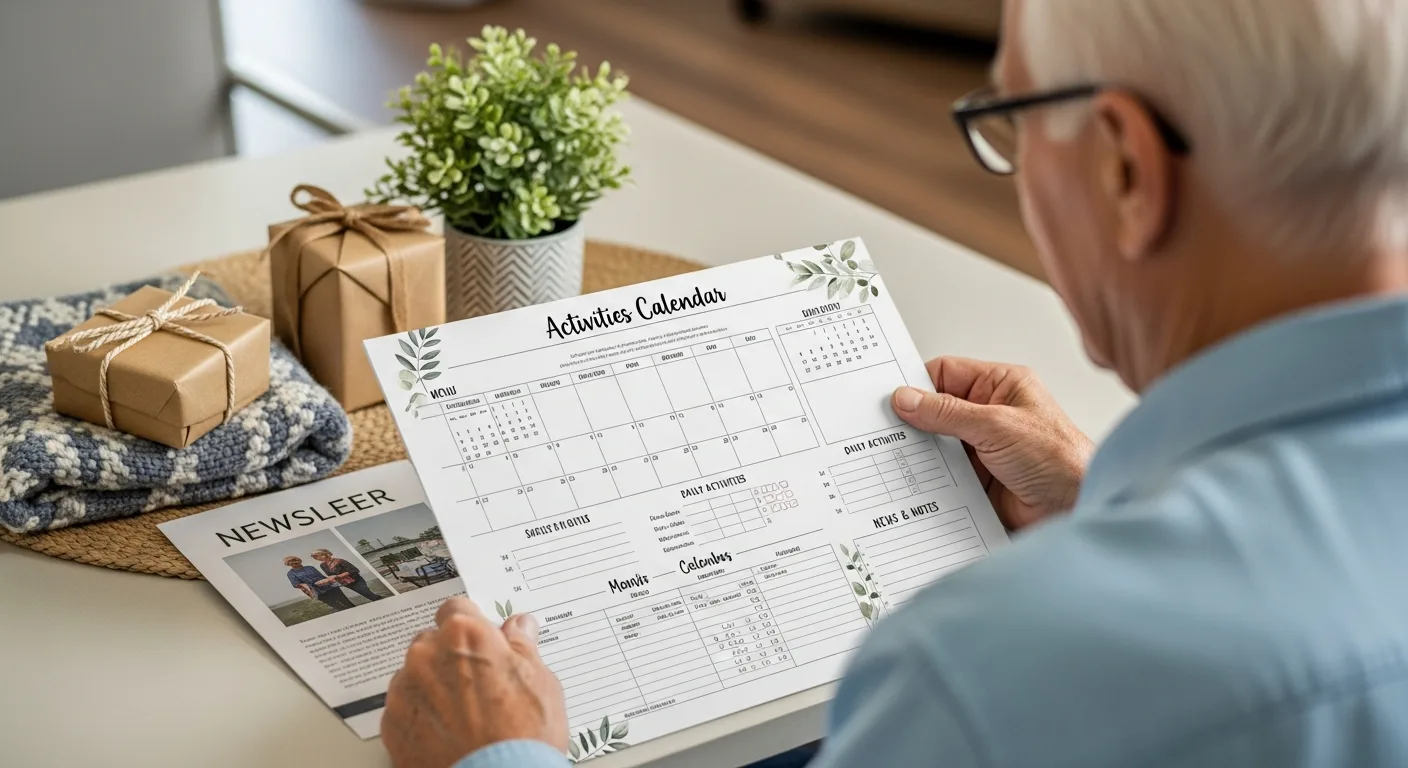
Senior living communities thrive on engagement, transforming daily life into a vibrant tapestry of social connections, mental stimulation, and physical well-being. At the heart of this transformation lie three key elements: a dynamic nursing home activities calendar, nutritious and appealing nursing home menus, and informative nursing home newsletters. These tools not only structure the day but also foster a sense of community, purpose, and joy among residents. Whether you’re a family member looking to enhance a loved one’s experience or a staff member aiming to improve programming, understanding how to optimize these components is essential for promoting holistic health and happiness in senior care settings. From crafting engaging events to designing menus that cater to dietary needs and sharing updates through newsletters, this guide explores practical strategies to elevate senior living engagement, ensuring residents feel valued, connected, and inspired every day.
A nursing home activities calendar organizes daily events like games and crafts, while menus provide balanced meals and newsletters share updates and stories, all working together to boost resident engagement and well-being through social, mental, and physical activities.
Creating an Engaging Nursing Home Activities Calendar
A well-planned nursing home activities calendar is the cornerstone of resident engagement, offering a mix of social, cognitive, and physical activities tailored to diverse interests and abilities. Start by assessing resident preferences through surveys or group discussions to ensure programs are relevant and appealing. Incorporate a variety of events, such as arts and crafts, music therapy, gentle exercise classes, and trivia games, to cater to different energy levels and skills. For example, morning sessions might include light stretching or coffee chats, while afternoons could feature movie screenings or gardening clubs. Regularly update the calendar to reflect seasonal themes, holidays, and special occasions, keeping content fresh and exciting. Additionally, involve residents in planning or leading activities to foster a sense of ownership and community. By balancing structured events with flexible options, you can create a dynamic schedule that promotes social interaction, reduces isolation, and enhances overall quality of life. For more insights on maintaining a vibrant living environment, explore our guide on protecting assets from nursing home costs, which touches on holistic care approaches.
- Survey residents monthly to gather feedback on activity preferences.
- Include both group and individual options to accommodate introverts.
- Partner with local volunteers or organizations for special events.
- Use visual aids like color-coded charts for easy readability.
- Rotate activities weekly to prevent monotony and spark interest.
Designing Nutritious and Appealing Nursing Home Menus
Nursing home menus play a crucial role in resident health and satisfaction, providing balanced meals that meet dietary needs while delighting the senses. Work with nutritionists to develop menus that address common age-related conditions, such as diabetes or hypertension, offering low-sodium, high-fiber, and soft-food options as needed. Emphasize fresh, locally sourced ingredients to enhance flavor and nutritional value, and consider cultural or personal preferences to make meals more personalized. Present food attractively with colorful plates and appropriate portion sizes, as visual appeal can significantly impact appetite and enjoyment. Regularly solicit feedback through taste tests or comment cards to refine offerings and introduce new dishes. For instance, themed meal days, like “Italian Feast” or “Summer BBQ,” can add excitement to the dining experience. By prioritizing nutrition and variety, nursing home menus not only support physical well-being but also create social opportunities during mealtimes, fostering camaraderie among residents. To complement this, learn about home remedies for pet health, which highlights the importance of tailored care in different settings.
- Consult with dietitians to ensure menus meet specific health requirements.
- Incorporate seasonal produce to keep meals fresh and cost-effective.
- Offer multiple meal choices at each sitting to respect individual tastes.
- Host cooking demonstrations or classes to engage residents in food prep.
- Monitor hydration with accessible water stations and flavored drinks.
Crafting Informative Nursing Home Newsletters
Nursing home newsletters serve as a vital communication tool, keeping residents, families, and staff informed about upcoming events, policy updates, and community news. Design newsletters with clear, large-font text and high-contrast colors to ensure readability for seniors with vision impairments. Include sections like resident spotlights, birthday announcements, and recaps of recent activities to celebrate achievements and foster a sense of belonging. For example, feature stories about a resident’s hobby or a successful group outing to highlight positive experiences. Distribute newsletters regularly, whether weekly or monthly, through both print and digital formats to reach all audiences. Encourage contributions from residents, such as poems, artwork, or personal anecdotes, to make the content more engaging and participatory. By providing timely information and showcasing community life, newsletters strengthen connections and keep everyone involved in the nursing home’s vibrant culture. For related tips on effective communication in care settings, check out our article on home care bag techniques for professional aides.
| Newsletter Section | Purpose | Example Content |
|---|---|---|
| Calendar Highlights | Preview key activities | Upcoming yoga class on Monday |
| Resident Spotlight | Celebrate individuals | Interview with a longtime resident |
| Health Tips | Promote wellness | Advice on staying hydrated in summer |
| Family Corner | Engage relatives | Guidelines for visiting hours |
Selecting Meaningful Nursing Home Gifts
Choosing thoughtful nursing home gifts can brighten a resident’s day and show appreciation for their presence in the community. Focus on items that enhance comfort, engagement, or personal connection, such as soft blankets, audiobooks, puzzle books, or personalized photo albums. Avoid gifts that may pose safety risks, like small objects that could be choking hazards, and consider practical needs, such as non-slip socks or large-print calendars. Involve residents in gift-giving by organizing donation drives for communal items, like board games or gardening tools, that benefit the entire group. For special occasions, coordinate with staff to ensure gifts align with individual preferences and medical restrictions. By selecting gifts that promote joy and utility, you contribute to a supportive environment where residents feel valued and cared for. To explore more ideas for creating a welcoming space, read about unique home styles, which can inspire aesthetic improvements in common areas.
- Opt for sensory gifts like scented lotions or music players.
- Choose items that encourage social interaction, such as card games.
- Prioritize gifts that are easy to use for those with limited mobility.
- Coordinate with family members to avoid duplicates or unsuitable items.
- Consider donations to activity funds for ongoing programming support.
Integrating Activities, Menus, and Newsletters for Holistic Engagement
To maximize impact, integrate nursing home activities calendars, menus, and newsletters into a cohesive engagement strategy. Align newsletter content with upcoming calendar events, providing detailed descriptions and reminders to boost participation. Feature menu highlights in newsletters, such as chef’s specials or nutritional facts, to generate excitement around mealtimes. Use feedback from newsletters and activity sessions to refine menus, ensuring they support the energy needs of active residents. For example, after a morning exercise class, promote a protein-rich lunch option in the newsletter. Regularly evaluate this integration through resident surveys and staff meetings, adjusting based on what works best for your community. By synchronizing these elements, you create a seamless experience that reinforces routines, encourages socialization, and promotes overall well-being. For additional strategies on enhancing living environments, see our guide on smart home integration, which offers tech tips for modern care facilities.
- Cross-promote events in newsletters and on menu boards.
- Collect resident stories from activities for newsletter features.
- Adjust menu items based on activity intensity and feedback.
- Train staff to communicate updates across all three channels.
- Use digital tools to streamline scheduling and distribution.
What should be included in a nursing home activities calendar?
A nursing home activities calendar should include a mix of social, cognitive, and physical events tailored to resident abilities, such as group games, arts and crafts, music sessions, exercise classes, and outings, with times and locations clearly listed.
How can nursing home menus cater to dietary restrictions?
Nursing home menus can cater to dietary restrictions by offering modified options like low-sodium, diabetic-friendly, or pureed meals, developed in consultation with nutritionists, and clearly labeling allergens or special diets on the menu.
Why are nursing home newsletters important for engagement?
Nursing home newsletters are important for engagement because they keep residents and families informed about events and news, foster community through resident spotlights, and provide a platform for feedback and participation.
What are some safe and meaningful nursing home gifts?
Safe and meaningful nursing home gifts include comfort items like soft blankets, entertainment options like audiobooks or puzzles, and personal touches like photo frames, avoiding small parts or items that could cause safety issues.
How often should a nursing home activities calendar be updated?
A nursing home activities calendar should be updated at least monthly to reflect new events, seasonal changes, and resident feedback, with weekly tweaks as needed for flexibility and relevance.
Can residents help create nursing home newsletters?
Yes, residents can help create nursing home newsletters by contributing stories, artwork, or ideas, which enhances engagement and makes the content more personal and community-driven.
What role do menus play in social activities at nursing homes?
Menus play a key role in social activities at nursing homes by providing shared meal experiences that encourage conversation and bonding, with themed meals or cooking classes adding interactive elements.
Frequently Asked Questions
What should be included in a nursing home activities calendar?
A nursing home activities calendar should include a mix of social, cognitive, and physical events tailored to resident abilities, such as group games, arts and crafts, music sessions, exercise classes, and outings, with times and locations clearly listed.
How can nursing home menus cater to dietary restrictions?
Nursing home menus can cater to dietary restrictions by offering modified options like low-sodium, diabetic-friendly, or pureed meals, developed in consultation with nutritionists, and clearly labeling allergens or special diets on the menu.
Why are nursing home newsletters important for engagement?
Nursing home newsletters are important for engagement because they keep residents and families informed about events and news, foster community through resident spotlights, and provide a platform for feedback and participation.
What are some safe and meaningful nursing home gifts?
Safe and meaningful nursing home gifts include comfort items like soft blankets, entertainment options like audiobooks or puzzles, and personal touches like photo frames, avoiding small parts or items that could cause safety issues.
How often should a nursing home activities calendar be updated?
A nursing home activities calendar should be updated at least monthly to reflect new events, seasonal changes, and resident feedback, with weekly tweaks as needed for flexibility and relevance.
Can residents help create nursing home newsletters?
Yes, residents can help create nursing home newsletters by contributing stories, artwork, or ideas, which enhances engagement and makes the content more personal and community-driven.
What role do menus play in social activities at nursing homes?
Menus play a key role in social activities at nursing homes by providing shared meal experiences that encourage conversation and bonding, with themed meals or cooking classes adding interactive elements.