Ever spent hours bleaching your hair only to end up with unwanted yellow or orange tones? You’re not alone. Many blondes struggle with brassiness, but the good news is you don’t need a salon appointment to fix it. Toning blonde hair at home is a cost-effective and empowering way to achieve your dream shade. Whether you’re a seasoned DIY enthusiast or a first-timer, this guide will walk you through everything from selecting the right toner to mixing and applying it safely. With the right techniques, you can correct color mishaps and maintain a cool, vibrant blonde that turns heads.
To tone blonde hair at home, choose a purple or blue toner based on your hair’s undertones, mix it with developer according to instructions, apply evenly to damp hair, leave for 5-20 minutes, then rinse and condition. Always do a strand test first to avoid over-toning.
Understanding Hair Toners and Why Blondes Need Them
Hair toners are semi-permanent or demi-permanent color products that neutralize unwanted warm tones in blonde hair. When you bleach your hair, it removes natural pigments, often leaving behind yellow or orange undertones. Toners work by depositing opposite colors on the color wheel—purple cancels yellow, blue cancels orange—to create a cooler, more balanced blonde. This process is essential for achieving shades like platinum, ash blonde, or beige blonde without brassiness. Unlike permanent dyes, toners don’t lighten hair; they simply adjust the tone, making them ideal for at home toning blonde hair when you want to refine your color without drastic changes.
Essential Tools and Products for DIY Toning
Before you start, gather the right supplies to ensure a smooth process. Having everything on hand will prevent mid-application panic and help you achieve professional results.
- Toner: Choose a toner based on your desired outcome—purple for yellow tones, blue for orange tones.
- Developer: Typically 10 or 20 volume developer; higher volumes can lift color slightly but may cause damage.
- Mixing bowl and brush: For precise application and even mixing.
- Gloves: Protect your hands from stains and chemicals.
- Clips: Section your hair for thorough coverage.
- Timer: Avoid over-processing by tracking the time accurately.
- Old towel or cape: Prevent stains on your clothes.
- Conditioner: Use a sulfate-free conditioner to lock in moisture post-toning.
If you’re new to DIY beauty, check out our at-home beauty guide for tips on handling products safely. For those dealing with other hair concerns, such as pet issues, our alopecia in dogs home remedies guide offers insights into animal care that parallel the importance of gentle treatment.
Step-by-Step Guide to Toning Blonde Hair at Home
Follow these steps carefully to tone your blonde hair effectively and avoid common pitfalls. This process ensures even application and minimizes the risk of patchiness or over-toning.
- Do a Strand Test: Apply toner to a small section of hair first to check the result and timing.
- Wash and Dry Hair: Shampoo with a clarifying shampoo to remove buildup, then towel-dry until damp.
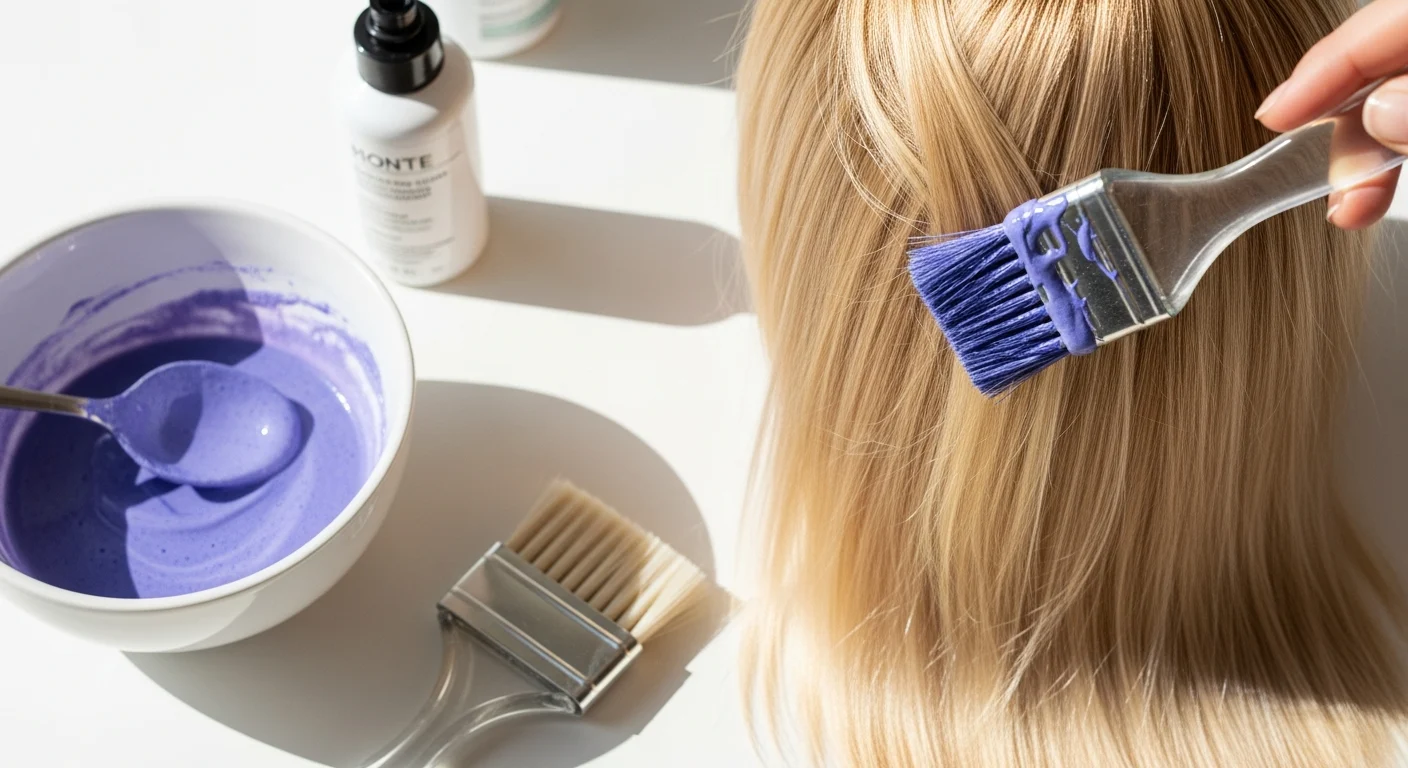
- Mix the Toner: Combine toner and developer in a bowl according to the product’s instructions. For example, a 1:1 ratio is common.
- Section Your Hair: Divide hair into four sections using clips to ensure full coverage.
- Apply the Toner: Start at the roots and work to the ends, using a brush for even distribution.
- Set a Timer: Leave the toner on for 5-20 minutes, depending on the product and desired intensity.
- Rinse and Condition: Rinse with cool water until it runs clear, then apply a deep conditioner.
- Style as Usual: Avoid heat styling for 24 hours to protect your newly toned hair.
Learning how to mix hair toner at home is a skill that improves with practice. If you’re interested in other DIY projects, our mobile home kitchen remodel guide shows how careful planning leads to great results in home improvement too.
Choosing the Right Toner for Your Blonde Shade
Not all toners are created equal. Selecting the correct one depends on your current hair color and desired outcome. Use this table to match toners to common blonde issues.
| Hair Undertone | Recommended Toner Color | Resulting Shade |
|---|---|---|
| Yellow | Purple/Violet | Cool Platinum or Ash Blonde |
| Orange | Blue | Neutral Beige or Sandy Blonde |
| Brassy (Yellow-Orange) | Purple-Blue Mix | Balanced, Natural-Looking Blonde |
| Too Ashy (Gray) | Pink or Peach | Warm, Golden Blonde |
If you’re unsure about your undertones, consult a color chart or seek advice from online tutorials. For more on managing home aesthetics, explore our Feng Shui home office setup guide to create harmonious spaces.
Common Mistakes and How to Avoid Them
DIY toning can go wrong if you’re not careful. Avoid these common errors to keep your hair healthy and your color flawless.
- Over-Toning: Leaving toner on too long can turn hair purple or gray. Always set a timer and check progress.
- Using the Wrong Developer: High-volume developers (e.g., 30 or 40) can damage hair. Stick to 10 or 20 volume for toning.
- Skipping the Strand Test: This small step prevents major color disasters. Never omit it.
- Applying to Dry Hair: Toner adheres better to damp hair, ensuring even coverage.
- Neglecting Aftercare: Use color-safe shampoos and conditioners to maintain your tone longer.
Just as proper care is key in hair toning, it’s vital in other areas like cat cold symptoms home remedies for pet health.
Maintaining Your Toned Blonde Hair
Once you’ve achieved the perfect tone, keep it looking fresh with these maintenance tips. Regular care extends the life of your color and prevents brassiness from returning.
- Use Purple Shampoo: Incorporate a purple shampoo once a week to neutralize yellow tones between toning sessions.
- Limit Heat Styling: Excessive heat can fade toner faster. Use heat protectants and lower temperatures.
- Protect from Sun: UV rays can cause discoloration. Wear hats or use UV-protectant hair products.
- Deep Condition Regularly: Toners can be drying, so hydrate hair with masks or oils weekly.
- Schedule Touch-Ups: Re-tone every 4-6 weeks as needed, depending on your hair’s porosity and lifestyle.
For those balancing multiple home projects, our folding home gym equipment guide offers space-saving solutions that complement a busy routine.
FAQ: Toning Blonde Hair at Home
Can I tone my hair at home if it’s already damaged?
Yes, but proceed with caution. Use a gentle, demi-permanent toner and a low-volume developer (10 volume) to minimize stress. Always do a strand test first and follow up with deep conditioning treatments to restore moisture.
How long does at-home toner last?
At-home toner typically lasts 2-4 weeks, depending on factors like hair porosity, shampoo frequency, and exposure to elements. Using color-safe products can extend its lifespan.
What’s the difference between toner and dye?
Toner adjusts the tone of already lightened hair by neutralizing warm undertones, while dye adds or changes color pigment. Toner is ideal for subtle corrections, whereas dye is for more dramatic transformations.
Can I use household items like vinegar as a toner?
While some DIY recipes suggest apple cider vinegar to enhance shine, it won’t neutralize brassiness like a chemical toner. For effective color correction, stick to professional toning products.
How do I fix over-toned hair that turned too purple?
If your hair becomes overly purple, wash it with a clarifying shampoo several times to fade the tone. You can also use a gentle, warm-toned conditioner or seek professional help for color correction.
Is it safe to tone hair at home during pregnancy?
Consult your doctor first. Many toners contain chemicals like ammonia or PPD, which may pose risks. Opt for ammonia-free, natural alternatives if approved by a healthcare provider.
Can I tone dark blonde or brown hair at home?
Toning works best on lightened hair (level 8-10 blonde). If your hair is darker, you may need to bleach it first to achieve noticeable results. Always follow lightening with a toner to avoid brassiness.
What should I do if toner causes scalp irritation?
Rinse immediately with cool water and discontinue use. Apply a soothing aloe vera gel and avoid toning until irritation subsides. If symptoms persist, see a dermatologist.