When your furry friend gets hurt, knowing how to provide immediate care can make all the difference. From a swollen ear to a sudden limp, minor injuries are common in active pets, but they don’t always require an emergency vet visit. With the right knowledge and supplies, you can handle many situations at home, ensuring your pet’s comfort and preventing complications. This guide covers essential pet first aid, focusing on practical solutions for hematomas, limping, and other common issues, so you’re prepared when accidents happen.
For a dog ear hematoma, apply a cold compress for 10-15 minutes several times a day to reduce swelling, and keep your dog from scratching. For a limping dog, rest is key—limit activity and check for visible injuries like cuts or swelling. Always monitor for signs of infection or worsening symptoms, and consult a vet if needed.
Understanding Dog Ear Hematomas and Home Treatment
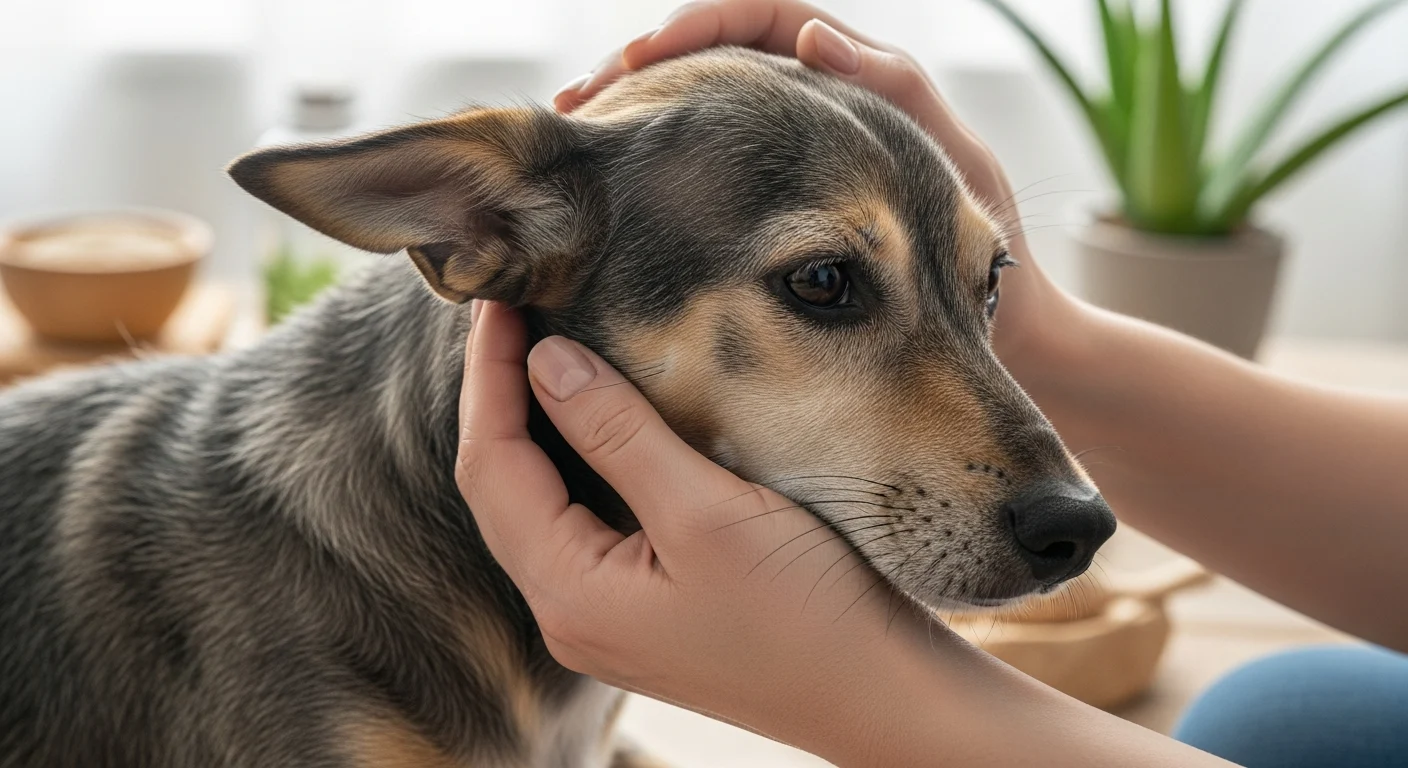
A hematoma is a collection of blood under the skin, often caused by trauma or excessive scratching. In dogs, ear hematomas are particularly common due to their floppy ears and tendency to shake their heads. While severe cases may require veterinary drainage, mild hematomas can often be managed at home with careful attention. Start by identifying the cause—common triggers include ear infections, allergies, or foreign objects. If you notice swelling, redness, or warmth on the ear flap, it’s likely a hematoma. For home care, gently clean the area with a mild antiseptic and apply a cold compress wrapped in a towel for 10-15 minutes several times daily to reduce inflammation. Prevent your dog from scratching or shaking their head by using an Elizabethan collar, and monitor for signs of infection like pus or increased pain. If the swelling persists or worsens after a few days, seek professional help, as untreated hematomas can lead to permanent ear deformity. For more on pet health solutions, check out our guide on dog eye infection treatment home remedy.
How to Treat a Limping Dog at Home
Limping in dogs can result from minor sprains, cuts, or insect bites, and home treatment often involves rest and basic first aid. First, assess the severity: if your dog is bearing weight on the leg and shows no signs of severe pain, you can try home care. Look for visible injuries like cuts, thorns, or swelling, and clean any wounds with warm water and mild soap. For sprains, apply a cold compress to the affected area for 10-15 minutes every few hours to reduce swelling, and encourage rest by limiting walks and playtime. Keep your dog confined to a small, comfortable space to prevent further injury. Over-the-counter pain relievers like aspirin can be used in some cases, but only under veterinary guidance, as many human medications are toxic to pets. Monitor for improvement over 24-48 hours; if limping persists or is accompanied by whining, lethargy, or loss of appetite, consult a vet to rule out fractures or serious conditions. For related home remedies, see our article on dog yeast infection home remedy.
Dog Heartworm Test at Home: What You Need to Know
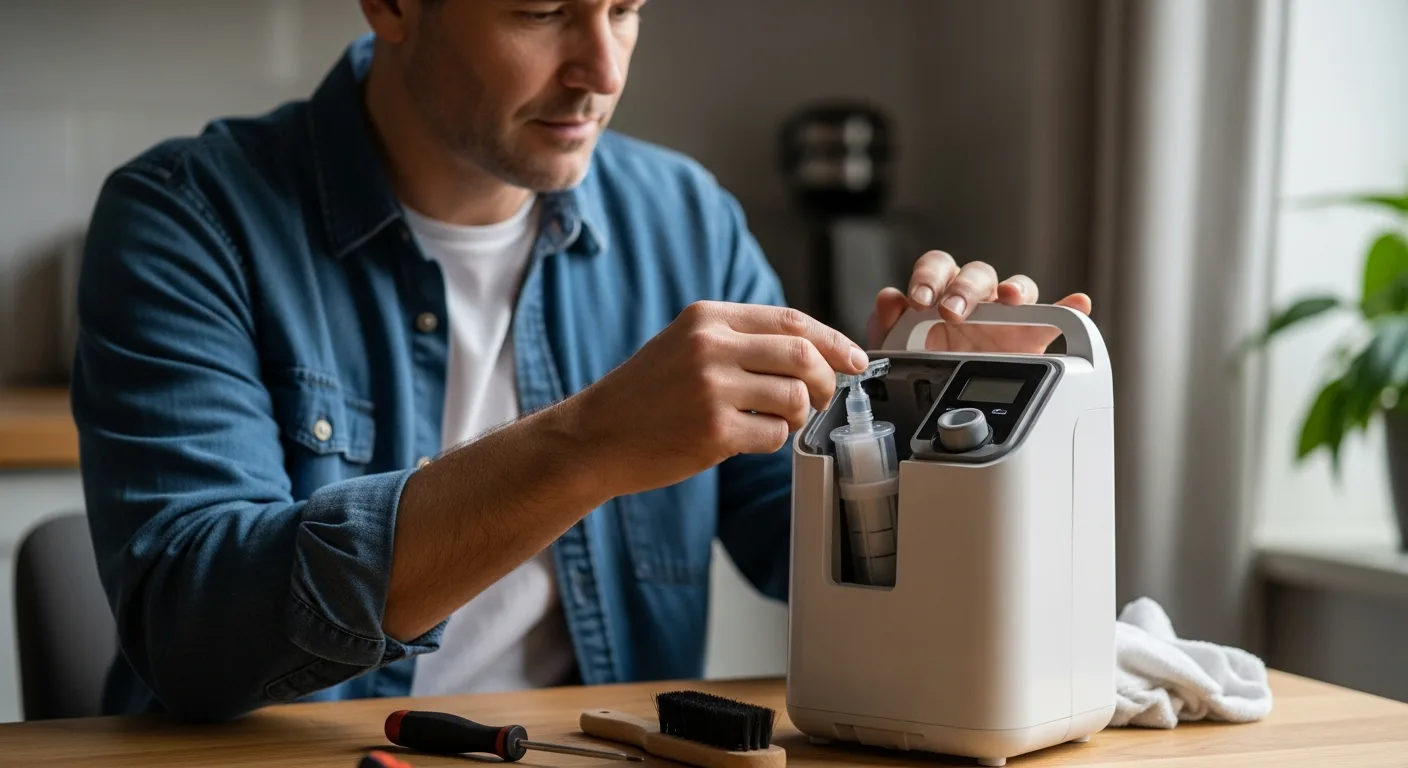
Heartworm disease is a serious, potentially fatal condition caused by parasitic worms transmitted through mosquito bites. While professional veterinary testing is recommended for accuracy, at-home test kits are available for monitoring. These kits typically use a small blood sample from your dog’s ear or paw, providing results in minutes. However, they are not a substitute for annual vet check-ups, as false negatives can occur. To use an at-home test, follow the instructions carefully: collect the sample, apply it to the test device, and wait for the indicated time. If the test is positive, contact your vet immediately for confirmation and treatment. Prevention is key—ensure your dog is on a monthly heartworm preventive medication, especially in mosquito-prone areas. Regular testing, even at home, helps catch infections early, but always combine it with professional care for your pet’s safety. For more on pet health management, explore our home remedies for dog scooting.
Ant Bite Treatment at Home for Dogs
Ant bites, especially from fire ants, can cause pain, swelling, and allergic reactions in dogs. If your pet gets bitten, act quickly to minimize discomfort. First, remove your dog from the area to prevent more bites. Check for ants on their fur and brush them off gently. For the bites, clean the area with mild soap and water to reduce the risk of infection. Apply a cold compress or ice pack wrapped in a cloth for 10-15 minutes to soothe swelling and pain. You can also use a baking soda paste (mix baking soda with water) or diluted apple cider vinegar to neutralize the ant venom and reduce itching. Monitor your dog for signs of an allergic reaction, such as excessive swelling, difficulty breathing, or hives—if these occur, seek emergency veterinary care immediately. For minor cases, over-the-counter antihistamines like Benadryl can be given, but only with vet approval for the correct dosage. To prevent future bites, keep your yard free of ant mounds and avoid walking your dog in infested areas. For other DIY solutions, refer to our guide on how to avoid cockroaches in home.
Essential Pet First Aid Supplies for Home
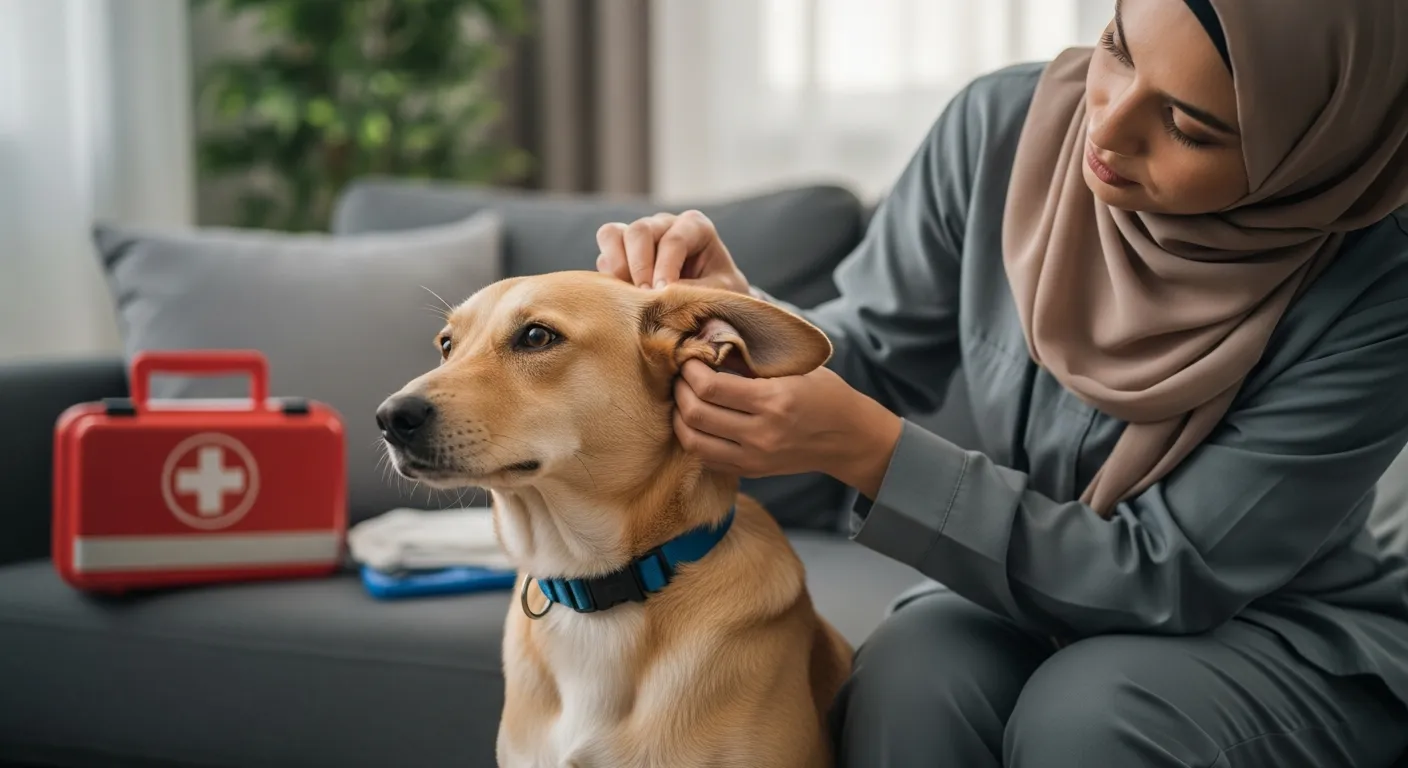
Having a well-stocked first aid kit can help you respond effectively to pet injuries. Here’s a list of must-have items:
- Gauze pads and bandages for wound dressing
- Antiseptic wipes or solution for cleaning cuts
- Cold packs or ice packs for reducing swelling
- Elizabethan collar to prevent scratching or licking
- Tweezers for removing splinters or ticks
- Pet-safe pain relievers (only with vet guidance)
- Thermometer to check for fever
- Emergency contact numbers for your vet
Store your kit in an easily accessible location and check it regularly to replace expired items. For more on home safety, see our article on home emergency preparedness.
When to Seek Veterinary Care
While home treatment is suitable for minor issues, some situations require professional attention. Use this table to guide your decision:
| Symptom | Home Care Possible? | When to See a Vet |
|---|---|---|
| Mild limping after play | Yes, with rest and cold compress | If limping lasts over 48 hours or worsens |
| Small ear hematoma | Yes, with cold compress and prevention | If swelling increases or shows signs of infection |
| Single ant bite | Yes, with cleaning and cold compress | If allergic reaction occurs (e.g., breathing issues) |
| Positive heartworm test | No, always seek vet confirmation | Immediately for treatment planning |
Always err on the side of caution—if in doubt, contact your vet. For more on handling emergencies, check out our guide on emergency dental care.
Step-by-Step Guide for Minor Injury Care
Follow these steps for common pet injuries at home:
- Assess the situation: Ensure your pet is safe and calm.
- Clean the area: Use warm water and mild soap for wounds.
- Apply first aid: Use cold compresses for swelling or antiseptic for cuts.
- Monitor closely: Watch for changes in behavior or symptoms.
- Prevent further injury: Restrict activity and use protective gear if needed.
- Follow up: Re-evaluate after 24 hours and seek help if no improvement.
This proactive approach can speed recovery and prevent complications. For additional home care tips, explore our dog eye discharge home remedy.
FAQs About Pet First Aid
Can I use human medications for my dog’s pain?
No, many human medications like ibuprofen or acetaminophen are toxic to dogs. Always consult your vet before giving any medication, and use only pet-safe options they recommend.
How often should I test my dog for heartworms at home?
At-home heartworm tests are best used as a supplement to annual veterinary testing. Test every 6-12 months if you live in a high-risk area, but rely on professional tests for accurate diagnosis.
What should I do if my dog won’t stop scratching their ear hematoma?
Use an Elizabethan collar to prevent scratching, and keep the ear clean and dry. If scratching persists, it may indicate an underlying issue like an infection, so see a vet for further treatment.
Are ant bites dangerous for all dogs?
Most ant bites cause minor irritation, but some dogs may have allergic reactions. Monitor for severe swelling or breathing difficulties, and seek emergency care if symptoms appear.
How can I tell if my dog’s limp is serious?
If the limp is accompanied by swelling, inability to bear weight, or signs of pain like whining, it may indicate a fracture or serious injury. In such cases, veterinary evaluation is necessary.
Can I drain a dog ear hematoma myself?
No, attempting to drain a hematoma at home can lead to infection or further damage. Leave this to a veterinarian who can perform it safely under sterile conditions.
What natural remedies help with ant bites?
Baking soda paste or diluted apple cider vinegar can soothe ant bites. Always test a small area first to ensure your dog doesn’t have a reaction.
Is rest enough for a limping dog?
Rest is crucial, but also check for wounds or foreign objects. If limping doesn’t improve with rest, consult a vet to rule out underlying issues.